
Parking lot
An area for temporarily parking vehicles, typically marked and surfaced for organized vehicle storage near businesses and public facilities.
A parking lot, also called a car park, is a designated area where cars and other vehicles are left temporarily. Parking lots are usually level or nearly level and are designed to organize vehicle storage, reduce congestion at nearby destinations, and give drivers a place to stop while they shop, work, attend events, or handle errands.
Image gallery
10 Images






Layout and construction
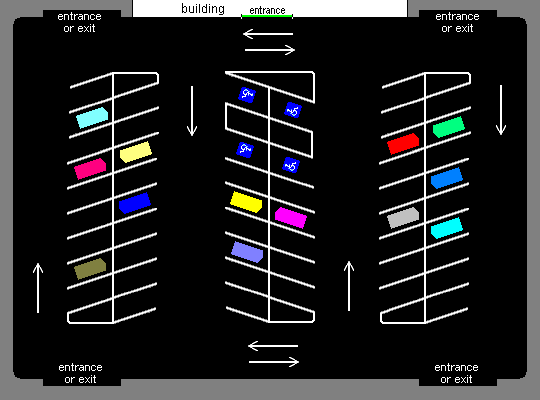
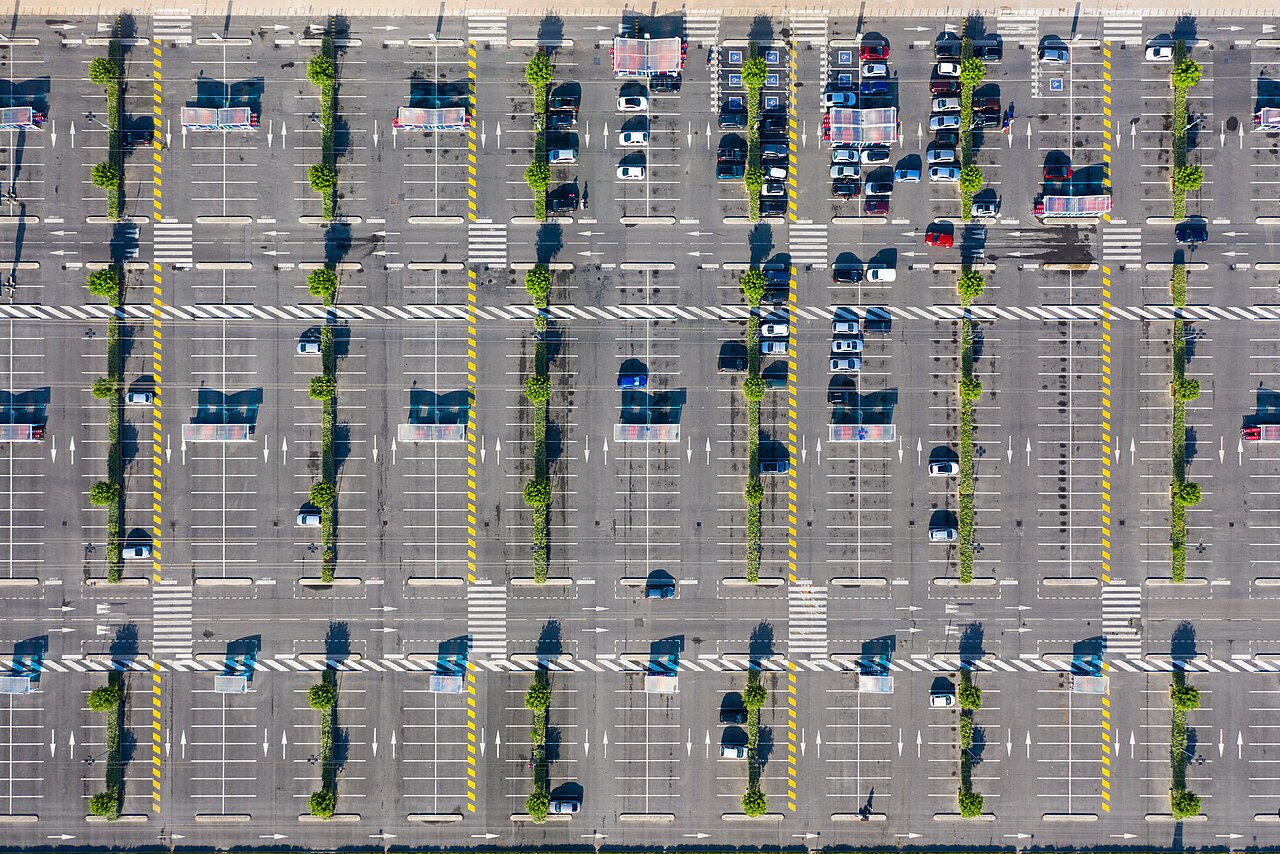
Most paved parking lots use surfaces such as asphalt, concrete, or sometimes gravel. Some rural or temporary lots may be little more than a cleared field or packed earth. On paved surfaces, painted lines mark individual parking spaces, driving lanes, pedestrian paths, and special zones such as loading areas or accessible spaces. Many lots also include curbs, drainage channels, lighting, signs, wheel stops, and landscaping to guide traffic and improve safety.
- Surface: paved, gravel, or unpaved depending on cost and use.
- Markings: space lines, arrows, signs, and crosswalks.
- Access: entrances, exits, and internal driving lanes.
- Support features: lighting, ticket machines, payment booths, and drainage.
Where parking lots are used
Parking lots are commonly found near businesses, hospitals, schools, government offices, hotels, zoos, stadiums, and shopping centers. The size of the lot usually reflects how many people are expected to visit. A small office or neighborhood shop may need only a few spaces, while a major store, airport, or event venue may require a very large lot with multiple entrances and exits. Some facilities provide free parking, while others charge a fee or use timed access systems.
Large lots may be supervised by attendants or controlled by ticket machines, gates, or camera-based systems. Drivers may receive a ticket or pass on arrival and pay when they leave. Smaller lots are often unattended and rely on signs, markings, and local parking rules. Temporary lots are also common at fairs, festivals, markets, and concerts, where attendants may direct vehicles but not always collect fees.
Accessibility and special spaces
Many parking lots include spaces reserved for disabled drivers or disabled passengers. These spaces are usually placed close to entrances and are marked with signs or painted symbols. In many places, legal use of these spaces requires an official permit or badge. Parking in such a space without authorization can lead to fines, towing, or other penalties. Accessible parking is one part of a broader effort to make public places usable by people with mobility limitations.
- Purpose: shorten the distance from the vehicle to the destination.
- Placement: located near doors, ramps, or accessible routes.
- Enforcement: often monitored by local authorities or property owners.
Safety and design concerns
Parking lots can present hazards for both people and vehicles. Sunlight can make dark paving and parked cars heat up quickly, so children, older adults, and pets should never be left unattended in a vehicle. Drivers and pedestrians also need to watch for moving cars, poor visibility, potholes, broken glass, oil slicks, and debris. At night, inadequate lighting or weak supervision can increase the risk of theft, vandalism, or other crime. Good design tries to reduce these risks through clear sightlines, lighting, cameras, visible pedestrian routes, and regular maintenance.
Modern parking lot planning increasingly considers environmental effects as well. Large paved areas can increase local heat, speed runoff during heavy rain, and add to stormwater pollution if water is not managed well. Some newer lots use tree planting, shaded spaces, permeable paving, or drainage systems that slow and filter water. In this way, the parking lot is not only a place to store vehicles but also part of the larger design of streets, buildings, and public space.
History and development
Parking lots became more common as automobiles spread in the 20th century and cities, suburbs, and commercial districts adapted to motor vehicle travel. Early lots were often simple open areas, but over time they developed into standardized spaces with striping, controlled entrances, and rules for access. Today, parking lots range from small neighborhood lots to major facilities with payment technology, security staff, accessible design, and coordinated traffic flow. Although they are often overlooked, parking lots are an important part of modern transportation and land use.
Related articles
Author
AlegsaOnline.com Parking lot Leandro Alegsa
URL: https://en.alegsaonline.com/art/74722