
Credit card: definition, components, history, uses and consumer issues
Comprehensive overview of credit cards: what they are, how they work, common features, history, uses, security issues, and types of cards for consumers and merchants.
Overview
A credit card is a payment card issued by a financial institution that lets a cardholder purchase goods and services on borrowed funds up to an approved limit. At the point of sale or online, the cardholder authorizes a transaction and the card issuer pays the merchant, creating a debt that the cardholder must repay according to the issuer's billing terms. Most modern cards are plastic or similar material with a printed or embossed account number, an expiration date and additional data used to validate transactions. Many cards also include electronic chips, magnetic stripes and security codes to support card-present and card-not-present payments. For more on basic operations see how credit cards work.
Image gallery
6 Images

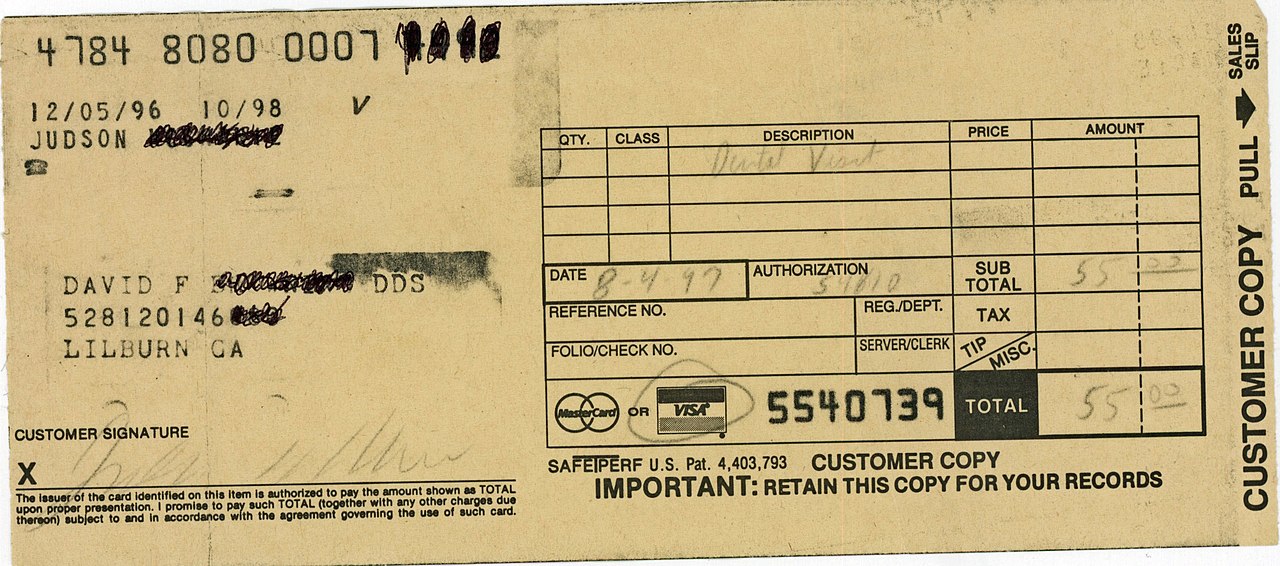


Main characteristics and parts
Key elements that define a credit card and its use include the following:
- Cardholder: the person authorized to use the card.
- Issuer: the bank or company that provides the card and extends credit.
- Account number and validity: unique identifiers printed or stored on the card.
- Security features: magnetic stripe, EMV chip, CVV/CVC codes, and sometimes a PIN for verification.
- Credit limit and billing cycle: the maximum balance and the regular period after which a statement is issued.
- Fees and interest: annual fees, finance charges, late fees and interest rates that apply to unpaid balances.
Details on card security and common identifiers are discussed further at security features and codes.
History and development
Credit and charge cards evolved from store-specific credit accounts and traveler's checks in the early 20th century into cards accepted more broadly. In the mid-20th century, multipurpose charge cards appeared that allowed holders to pay many merchants and settle balances later. Over decades, banks and payment networks developed standardized numbering, authorization systems, magnetic stripes and later EMV chips for improved security. Payment networks and card brands facilitated acceptance across merchants, while electronic processing and online commerce further expanded card use worldwide. For background on historical milestones, refer to credit card history.
Uses, consumer benefits and typical practices
Credit cards serve several functions beyond simple purchases. They provide short-term credit, allow remote and online payments, enable recurring billing, and often include additional perks such as purchase protection, travel insurance, and rewards or cash-back programs. Consumers typically receive a monthly statement that shows new charges, payments, and any interest accrued. Paying the statement balance in full during a specified grace period generally avoids finance charges; paying only a portion results in interest on the unpaid balance and can increase long-term cost.
Types and distinctions
Cards vary by design and purpose. Common categories include:
- Unsecured vs. secured: unsecured cards require creditworthiness; secured cards require a deposit as collateral.
- Charge cards: require full payment each billing cycle, often without preset spending limits.
- Reward and co-branded cards: offer points, miles or cash-back tied to spending categories or partners.
- Business cards: designed for company expenses, often with reporting features.
Further guidance about card types and choosing one can be found at comparison resources.
Security, consumer issues and protections
Credit cards include protections but also carry risks. Modern chip and tokenization technologies reduce fraud in face-to-face transactions, while cardholders remain vulnerable to phishing, data breaches and unauthorized online charges. Many jurisdictions limit consumers' liability for fraudulent transactions if they report abuses promptly. Other common concerns include revolving debt, high-interest rates, minimum payments that prolong indebtedness, and fees. Cardholders should review terms, monitor statements, and use security features such as alerts and two-factor authentication. For official guidance and best practices, see consumer protection advice.
Understanding how credit cards function, their costs, and their protections helps users make informed choices and minimize risks while taking advantage of convenience and benefits they offer.
Related articles
Author
AlegsaOnline.com Credit card: definition, components, history, uses and consumer issues Leandro Alegsa
URL: https://en.alegsaonline.com/art/24063