
Magnox reactor (graphite–gas reactor with Magnox fuel cladding)
Overview of the Magnox reactor: design, components, history, uses, and legacy of the magnesium–aluminium–clad graphite–gas power reactors developed mid-20th century.
Overview
The Magnox is a class of early gas-cooled nuclear reactors developed in the mid-20th century to generate electricity and, in early designs, to produce fissile materials. It is a type of nuclear reactor that was engineered to run on natural uranium fuel, eliminating the need for enrichment facilities and enabling relatively simple fuel cycles.
Image gallery
6 Images


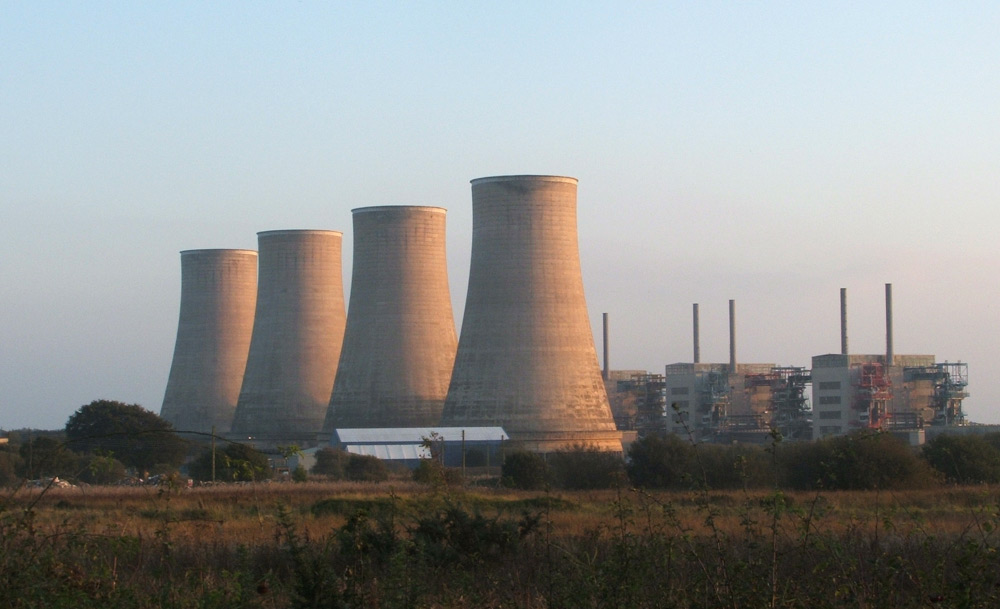

Design and main components
Magnox reactors use solid graphite as the neutron moderator to slow neutrons and sustain the chain reaction. The moderator is commonly described with reference to graphite and its role as a neutron moderator. Heat generated in the core is carried away by carbon dioxide gas, which serves as the primary coolant and transfers energy to boilers or heat exchangers.
Materials and fuel cladding
The term "Magnox" comes from the proprietary magnesium–aluminium alloy used to clad uranium metal fuel. This alloy, often called magnesium-aluminium or simply a Magnox alloy, provided corrosion resistance in a carbon-dioxide atmosphere but limited the maximum operating temperature and prevented long-term wet storage of spent fuel.
Operational history and development
Magnox reactors were among the first commercial-scale reactors and were built in several countries. Their design emphasized simple fuel management and the ability to use unenriched uranium. The coolant and gas technology required robust pressure systems; carbon dioxide was chosen because it is chemically inert with the cladding and graphite moderator, and it functions effectively as a coolant in the reactor core.
Uses and examples
Besides supplying electrical power, some Magnox plants were operated with the dual objective of producing plutonium for military programs. The reactors could produce electric power for civilian grids while also generating plutonium as a by-product under certain fuel management regimes.
Legacy, decommissioning and notable distinctions
Most Magnox reactors have been retired and are at various stages of decommissioning. Their historical importance includes pioneering gas-cooled reactor engineering and showing trade-offs between fuel chemistry, coolant choice, and operational flexibility. The association of some units with nuclear weapons production influenced public policy and the later shift to reactor types with different fuels, claddings and higher operating temperatures.
Key characteristics
- Moderator: graphite.
- Coolant: carbon dioxide gas.
- Fuel: natural uranium metal, clad in Magnox alloy.
- Applications: electricity generation and, historically, plutonium production.
Related articles
Author
AlegsaOnline.com Magnox reactor (graphite–gas reactor with Magnox fuel cladding) Leandro Alegsa
URL: https://en.alegsaonline.com/art/60667