
Cash register (till): purpose, components, history and modern uses
Device used in retail and hospitality to record sales and hold cash. Covers parts, history, security features, types (mechanical, electronic, POS) and modern cloud/mobile developments.
A cash register, commonly called a till, is a point‑of‑sale device used to store money and record sales. Found in many retail outlets and foodservice businesses, it helps staff total purchases, issue receipts and manage cash on hand. Older machines were purely mechanical; today's systems often link sales data to inventory, accounting and payment networks.
Image gallery
10 Images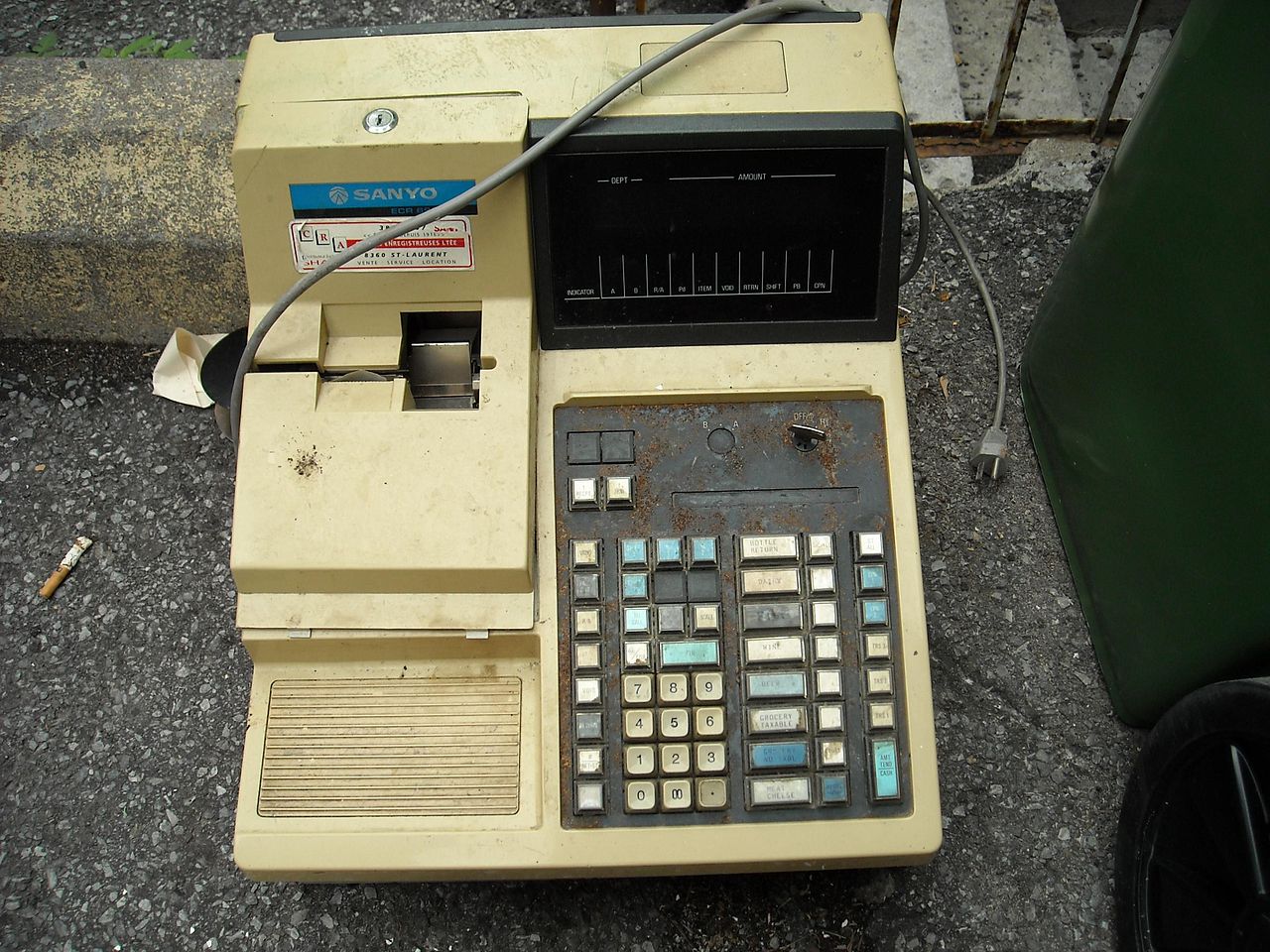


Basic components and functions
Typical registers contain a compartment for coins and notes (cash), a keyboard or touchscreen, a customer display, and a printer for receipts. They are usually installed where customers pay, such as in shops or restaurants. The device calculates totals, taxes and change so customers know how much to pay. Registers record transactions for sales of goods and services, and many can apply discounts, handle returns and split payments.
History and development
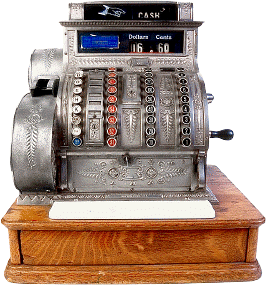
The first patentable cash registers appeared in the late 19th century as a response to employee theft and accounting errors. Manufacturers refined mechanical models into electrical and then electronic systems. Over the late 20th and early 21st centuries registers evolved into integrated point‑of‑sale (POS) platforms that combine touchscreen interfaces, barcode scanners, card readers and software services.
Security and controls
A key security feature is the cash drawer, which opens for transactions and can be locked when not in use. Registers provide audit trails, operator logins and manager overrides to reduce theft and errors. Procedures such as regular till counts and separation of duties limit opportunities for dishonest employees to misappropriate funds.
Types and modern trends
- Mechanical and electro‑mechanical registers: durable devices suited to basic cash handling.
- Electronic registers: add printers, calculators and digital displays.
- POS systems: software‑driven platforms that integrate inventory, reporting and payment processing.
- Mobile and cloud POS: use tablets or phones with remote servers for analytics and multi‑store management.
Beyond simple cash control, modern registers contribute to business intelligence: they track bestsellers, flag low inventory, simplify tax reporting and speed service. When selecting a register or POS solution, businesses balance needs for security, reporting, payment acceptance and scalability.
Related articles
Author
AlegsaOnline.com Cash register (till): purpose, components, history and modern uses Leandro Alegsa
URL: https://en.alegsaonline.com/art/17399
Sources
- ohiohistorycentral.org : "James Ritty"
- thoughtco.com : "Who Invented the Cash Register?"
- cashregistersonline.com : "History of the Cash Register by Cash Registers Online"
- encyclopedia.com : "Cash Register facts, information, pictures"
- investopedia.com : "Point Of Sale - POS"
- techopedia.com : "What does Point of Sale (POS) mean? - Definition from Techopedia"