
Ludwig II of Bavaria (1845–1886): the 'Fairy-Tale' King
King of Bavaria from 1864 to 1886, patron of Richard Wagner and builder of Neuschwanstein; remembered for extravagant castles, artistic patronage, and a disputed death by drowning.
Overview
Ludwig II (full name Ludwig Otto Friedrich Wilhelm) was king of the Kingdom of Bavaria from 1864 until 1886. He is widely remembered for his lavish building projects and for generous support of the composer Richard Wagner. Ludwig’s reign falls in the period of German unification and the rise of the German Empire, but Bavaria retained a distinct monarchy and court culture during his lifetime. His life, tastes and death have made him a prominent historical figure and tourist attraction.
Image gallery
10 Images


Personality, reign and public life
Ludwig became king at a young age and soon developed a reputation for reclusiveness, romanticism and a powerful interest in art, music and mythology. He cultivated an image of a solitary and idealistic ruler, often preferring private patronage and artistic projects to routine state affairs. Contemporary observers and later historians have debated his mental health and suitability to rule; in 1886 a panel of doctors declared him unfit to govern shortly before his removal from power and his death three days later.
Artistic patronage and architecture
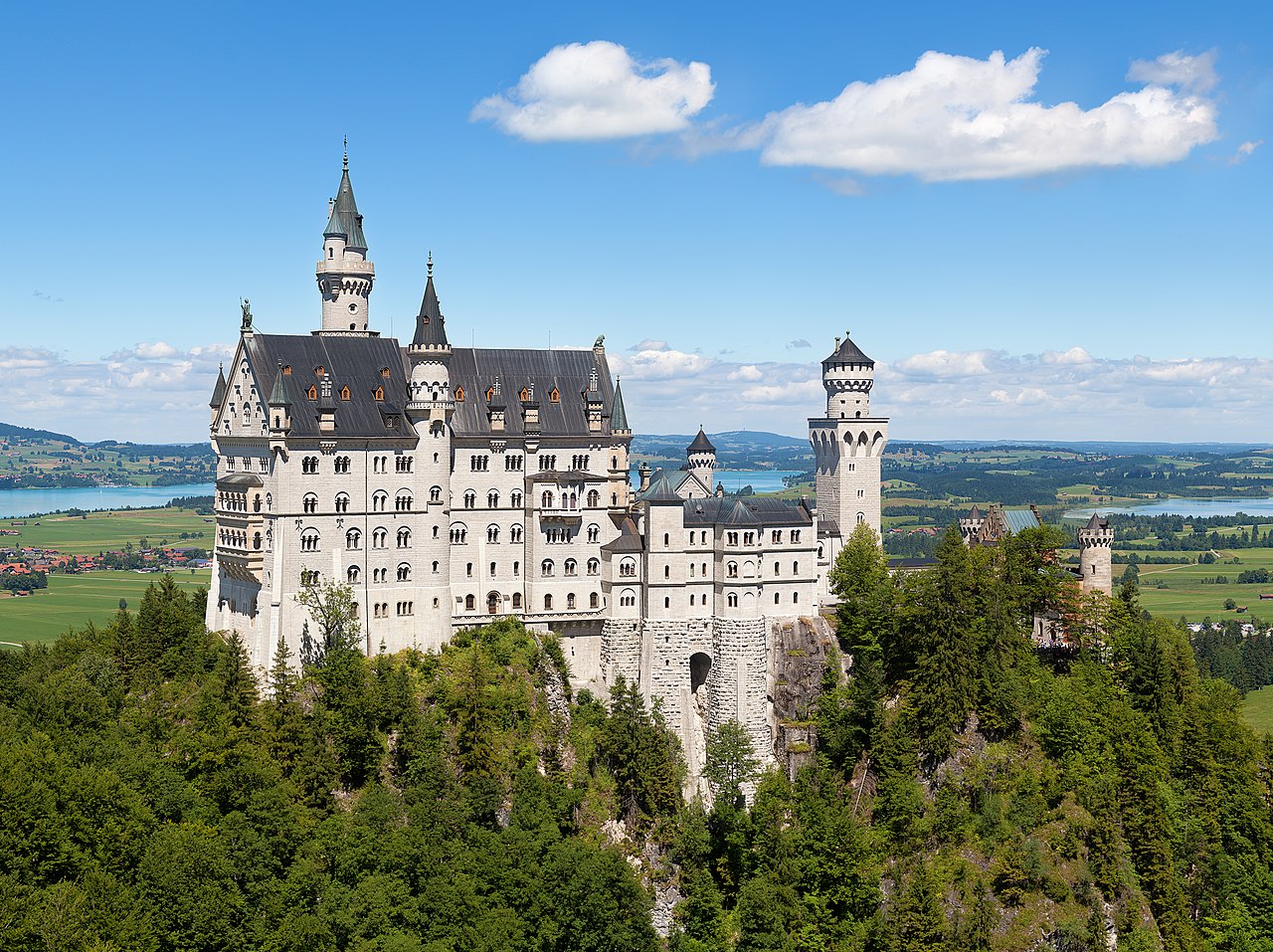
Ludwig is best known for commissioning a series of striking palaces and castles that combine historicist, theatrical and romantic elements. His most famous project is Neuschwanstein, a stage-like hilltop castle that inspired later cultural images of fairy-tale architecture. He also built and refashioned other residences and parks, demonstrating an obsession with medieval and classical motifs and an interest in private theatrical space. Ludwig’s financial support extended to musical institutions as well: he financed efforts linked to Richard Wagner and made substantial contributions to a dedicated festival theatre.
Relations with Richard Wagner and cultural impact
Ludwig’s patronage of Richard Wagner shaped both his own legacy and the composer’s career. The king provided financial support and protection that enabled Wagner to pursue ambitious projects. Ludwig also backed the construction of a theatre for the performance of Wagner’s works, creating a close association between Bavarian court culture and late-Romantic music. This cultural investment had long-term effects on German musical life and on Bavaria’s image as a center for the arts.
Death, controversy and legacy
Ludwig’s death by drowning in June 1886 remains contested. He died together with a physician under circumstances that have prompted competing explanations: accidental drowning, suicide and possible foul play have all been suggested over the years. Whatever the cause, his castles and the institutions he funded became major attractions, and his persona—alternately called a tragic romantic, an eccentric monarch or "Mad King Ludwig"—has entered popular culture. Tourism to his residences and associated musical sites continues to shape Bavaria’s cultural economy.
Notable places and distinctions
- Neuschwanstein Castle — the best-known project often associated with the "fairy-tale" image.
- Other royal residences and park projects that reflect historicist and theatrical design.
- Active patronage of Richard Wagner and support for a purpose-built festival theatre.
- Controversial end of reign and disputed circumstances of death that have prompted ongoing scholarly and popular interest.
Further reading and external links
For primary documents, museum pages and detailed studies, see these topic entries and resources:
- German names and titles
- Kingdom of Bavaria
- Accession in 1864
- Bavaria's later place within Germany
- Richard Wagner (patronage)
- Wagner's works and influence
- The 'Swan King' motif
- Anglophone nicknames and reception
- 'Fairy-tale' king label and cultural meaning
- Royal building projects
- Neuschwanstein Castle
- Circumstances of death (drowning)
- Suicide hypotheses
- Murder and conspiracy theories
- Festival theatre and Bayreuth connections
This article summarizes broadly accepted facts about Ludwig II and his cultural legacy while noting areas of debate such as his mental state and the precise cause of his death. Visitors today can see many of the sites associated with him, which continue to inspire scholarship, tourism and artistic representation.
Related articles
Author
AlegsaOnline.com Ludwig II of Bavaria (1845–1886): the 'Fairy-Tale' King Leandro Alegsa
URL: https://en.alegsaonline.com/art/59784