
Luigi Fabbri — Italian anarchist, anti‑militarist writer and political activist
Luigi Fabbri (1877–1935), Italian anarchist, writer and anti‑militarist activist, noted for essays, journalism and wartime opposition that influenced early 20th‑century anarchist thought.
Luigi Fabbri (23 December 1877 – 24 June 1935) was an Italian anarchist, public intellectual and political activist. He wrote extensively as a writer and pamphleteer, and became a notable voice of anti‑militarism; during World War I he was accused of defeatism. He was the father of Luce Fabbri.
Image gallery
1 Image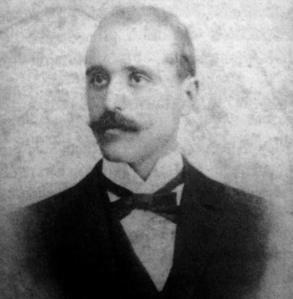
Biography
Born in 1877, Fabbri emerged as an influential participant in Italy’s anarchist movement in the early 20th century. He combined political agitation with journalism and essays aimed at both the organised movement and a broader public. His public opposition to war policies led to official charges of defeatism during the First World War.
Ideas and activity
Fabbri’s work addressed several recurring themes:
- advocacy of anarchist principles and decentralised social organisation;
- anti‑militarism and critique of nationalism and state violence;
- the role of education and culture in social change;
- use of propaganda, agitation and public writing to spread political ideas.
Legacy
Throughout his life Fabbri influenced fellow activists and readers through newspapers, essays and speeches. His daughter, Luce Fabbri, followed his political path and became a prominent anarchist thinker in her own right. Luigi Fabbri’s writings remain part of the historical record of Italian anarchism and early 20th‑century anti‑war activism.
Related articles
Author
AlegsaOnline.com Luigi Fabbri — Italian anarchist, anti‑militarist writer and political activist Leandro Alegsa
URL: https://en.alegsaonline.com/art/59826