
Suicide: definition, causes, prevention, and social impact
An encyclopedic overview of suicide: terminology, common risk factors, epidemiology, prevention strategies, and social and cultural considerations. Guidance for seeking help is included.
Overview
Suicide is the act of intentionally ending one's own life. Contemporary reporting and clinical practice favor neutral language such as "died by suicide" or "suicide attempt" rather than moralizing phrases. People who consider taking their own lives are often described as having suicidal thoughts or being suicidal. Thoughts of suicide range from fleeting ideas to planned attempts and represent a medical and public-health concern when persistent or accompanied by intent.
Image gallery
10 Images




Characteristics, warning signs, and risk factors
Suicidal behaviour is complex and rarely has a single cause. Many people who die by suicide have an identifiable mental health condition such as major depression, bipolar disorder, or schizophrenia, though not everyone with these diagnoses will be suicidal. Other risk factors include a history of previous attempts, substance misuse, chronic or terminal medical illness, recent losses or major life changes, social isolation, and exposure to bullying or violence. Protective factors include social support, access to effective healthcare, and coping skills.
- Mental health disorders (depression, bipolar disorder, psychotic disorders)
- Previous suicide attempts and self-harm
- Substance use and acute crisis states
- Chronic physical illness and pain
- Social or economic stressors and relationship breakdown
Epidemiology and historical notes
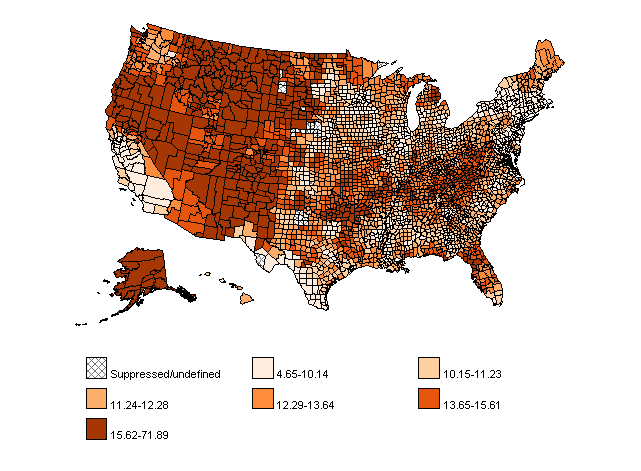
Patterns of suicide vary by age, sex, culture and over time. In many countries suicide is a leading cause of death among adolescents and young adults, and risks differ between university populations and older adults. Historical attitudes toward suicide have ranged from criminalization and stigma to medicalization and prevention; modern public-health approaches emphasize prevention, early identification, and treatment. Reliable data collection and culturally informed interpretation are important because reporting practices and definitions have changed across eras and regions.
Prevention, assessment, and immediate response
Preventive efforts include population-level measures (restricting access to common means, public education, and destigmatizing care), community support, and clinical management of mental disorders. When someone expresses a plan, intent, or ongoing desire to die, it is a medical concern that typically warrants prompt evaluation by trained professionals. A formal suicide risk assessment can help determine immediate safety needs and appropriate care. If a person appears at imminent risk, they should not be left alone and someone should seek emergency help or contact crisis services.
- Encourage open, nonjudgmental conversation about feelings.
- Remove or limit access to lethal means when possible.
- Connect the person to health professionals for assessment and follow-up.
- Provide social support and practical help; follow up after crises.
Impact, distinctions, and notable facts
Each suicide affects families, friends, coworkers, and communities; broader consequences include economic costs and long-term bereavement effects. Distinctions in terminology, such as "attempted suicide" versus "died by suicide," matter in clinical and legal contexts and can influence stigma. While depression is a frequent factor linked with suicide risk, many other contributors—acute crises, substance use, or psychosis—play critical roles. Suicidal behaviour is often preventable with timely, appropriate interventions.
Where to seek more information and support
Reliable information and services are available through educational institutions, healthcare systems, and community organizations. For help with suicidal thoughts or to learn more about assessing risk, consider resources for students and young adults available through campus services such as college counseling. Someone experiencing thoughts of self-harm can learn more about recognizing suicidal thinking at information sites and should treat urgent concerns as a medical emergency. A formal suicide risk assessment by a qualified clinician can clarify immediate needs. Terms such as chronic and acute help describe how long problems have been present, while broader categories like mental illness and specific diagnoses such as depression or schizophrenia are relevant to clinical evaluation. Suicide can be a symptom of underlying disorders and is often precipitated by stress or life events. If you or someone you know is at risk, reach out to local emergency services or mental health professionals immediately.
Questions and answers
Q: What is suicide?
A: Suicide is when a person chooses to kill themselves.
Q: How common is suicide?
A: Suicide is one of the top three causes of death for young people aged 14–35 and the second most common cause of death for college students. Every 3 seconds, a person somewhere in the world tries to kill themselves and every 40 seconds someone dies by suicide.
Q: What are some reasons why a person might think about suicide?
A: Most people who are suicidal have some type of mental disorder such as depression or schizophrenia. Other causes may include extreme cases of bullying and inceldom, or stress from life events like losing a job or getting sick.
Q: Is depression treatable?
A: Yes, depression is often treatable and suicide can be prevented with proper treatment.
Q: When should someone get help if they are having thoughts about killing themselves?
A: If someone starts having thoughts about killing themselves, it may be a medical emergency and they should get a suicide risk assessment as soon as possible without being left alone.
Q: Are there any long-term conditions that could lead to suicidal thoughts?
A: Yes, mental disorders such as chronic depression which has been going on for a long time can lead to suicidal thoughts.
Q: Is there anything else that can be done to prevent suicide besides treating mental illness? A:Yes, providing support networks such as friends, family members or counselors can help provide emotional support which can help reduce feelings of isolation and hopelessness that may lead to suicidal ideation.
Related articles
Author
AlegsaOnline.com Suicide: definition, causes, prevention, and social impact Leandro Alegsa
URL: https://en.alegsaonline.com/art/94671
Sources
- doi.org : 10.1001/archpedi.161.7.634
- pubmed.ncbi.nlm.nih.gov : 17606825
- doi.org : 10.1080/13607863.2010.501064
- pubmed.ncbi.nlm.nih.gov : 20967639
- ncbi.nlm.nih.gov : "Social connections and suicidal thoughts and behavior"
- doi.org : 10.1037/a0020936
- pubmed.ncbi.nlm.nih.gov : 21142333
- pubmed.ncbi.nlm.nih.gov : 11326767
- doi.org : 10.1080/13607860500193062
- pubmed.ncbi.nlm.nih.gov : 16214699
- books.google.com : Introduction to chemical dependency counseling
- pubmed.ncbi.nlm.nih.gov : 17458329
- books.google.com : Behavioral science in medicine
- books.google.com : Clinical manual of impulse-control disorders