
Ludwig Leichhardt: German Naturalist and Explorer of Australia
Friedrich Wilhelm Ludwig Leichhardt (1813–1848) was a Prussian-born naturalist and explorer who led major Australian expeditions, made scientific collections, and vanished on a transcontinental attempt.
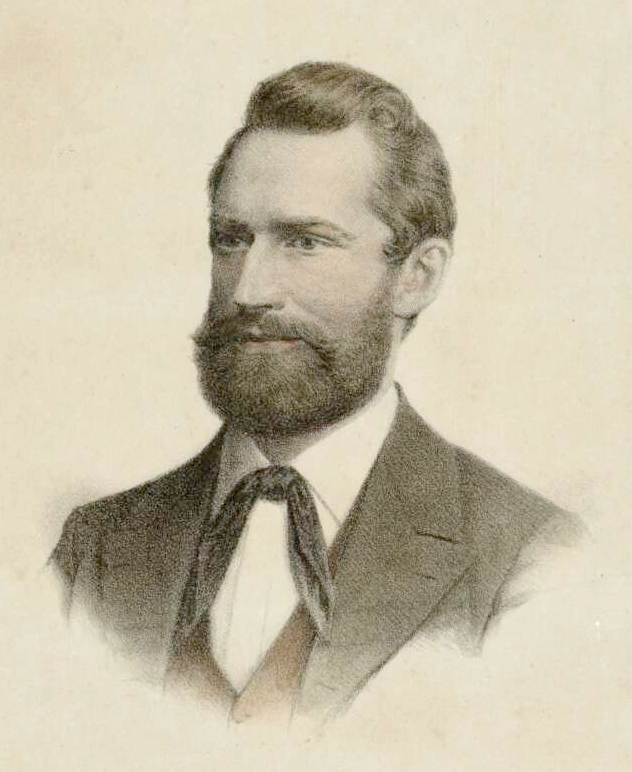
Friedrich Wilhelm Ludwig Leichhardt (1813–1848) was a Prussian-born scientist and explorer best known for expeditions into the interior of Australia. Trained as a naturalist in Germany, Leichhardt travelled to Australia in the early 1840s to study its plants, animals and landscapes. His careful field observations and specimen collecting combined scientific interests with the practical demands of exploring little-mapped country at a time when European settlement was expanding across eastern Australia.
Image gallery
7 Images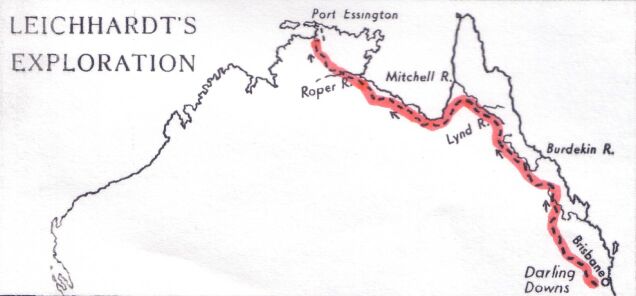



Major expeditions and achievements
Leichhardt made several significant journeys into northern and inland Australia. In 1844–1845 he led a small party from Moreton Bay in what is now Queensland across difficult terrain to Port Essington in the Northern Territory. That overland route, covering thousands of kilometres, was a notable achievement for its era: it combined careful natural history work with mapping and route-finding. After reaching the north coast Leichhardt and his companions returned by sea to Sydney, and his efforts were later recognised by the Royal Geographical Society with a prestigious medal.
Disappearance on the 1848 crossing
In 1848 Leichhardt set out on a more ambitious plan: to cross the Australian continent from east to west and reach the Swan River settlement. He hoped to skirt the central deserts by striking northward and following the coast of Western Australia before moving south to the Swan River. After leaving the Darling Downs his party vanished. Over subsequent years many searches were mounted and numerous unconfirmed reports and artefacts were examined. Contemporary witnesses and later historians debated whether the party had perished from hunger, disease or conflict, or become dispersed and absorbed into local communities.
Searches, evidence and later authentication
Although various items and marked trees were reported across a wide area many finds could not be conclusively linked to Leichhardt. One significant object— a small brass plate inscribed with Leichhardt's name discovered in 1900 by an Aboriginal stockman—was long regarded with caution. In 2006 scientific study provided stronger support for this artefact's association with Leichhardt, placing the find area near the border region between the Great Sandy Desert and the Tanami Desert. Even so, the full route and fate of the 1848 party remain unresolved, and debate continues among historians and archaeologists.
Legacy and namesakes
Leichhardt's combination of scientific curiosity and exploration left a notable legacy. Numerous geographic features, localities and institutions in Australia bear his name in recognition of his contributions to exploration and natural history. Examples include rivers, electoral divisions and suburbs; these commemorate his role in mapping and drawing attention to the continent's interior while also reflecting the complicated colonial context of 19th-century exploration.
Importance and continuing interest
Beyond place names, Leichhardt is remembered for bridging scientific collecting with adventurous surveying. His journals, specimen lists and the accounts of his expeditions informed early European natural history of Australia and inspired later explorers. The mystery of his disappearance has also sustained public and scholarly interest for more than a century, prompting archaeological surveys, archival research and community-based searches. For readers wishing to explore further, accounts of Leichhardt's travels and the subsequent investigations are available through collections and studies linked from general overviews of Australian exploration and natural history.
Related articles
Author
AlegsaOnline.com Ludwig Leichhardt: German Naturalist and Explorer of Australia Leandro Alegsa
URL: https://en.alegsaonline.com/art/59785