
1864 — Major events, conflicts, and global developments
An overview of the year 1864, highlighting major military campaigns, international conflicts, humanitarian law advances, and their lasting historical significance.
1864 was a year marked by intensive military conflict and important steps toward modern international humanitarian law. In several regions the struggle for territory and political authority accelerated existing wars, while diplomatic and civic movements produced lasting institutional changes.
Image gallery
10 Images
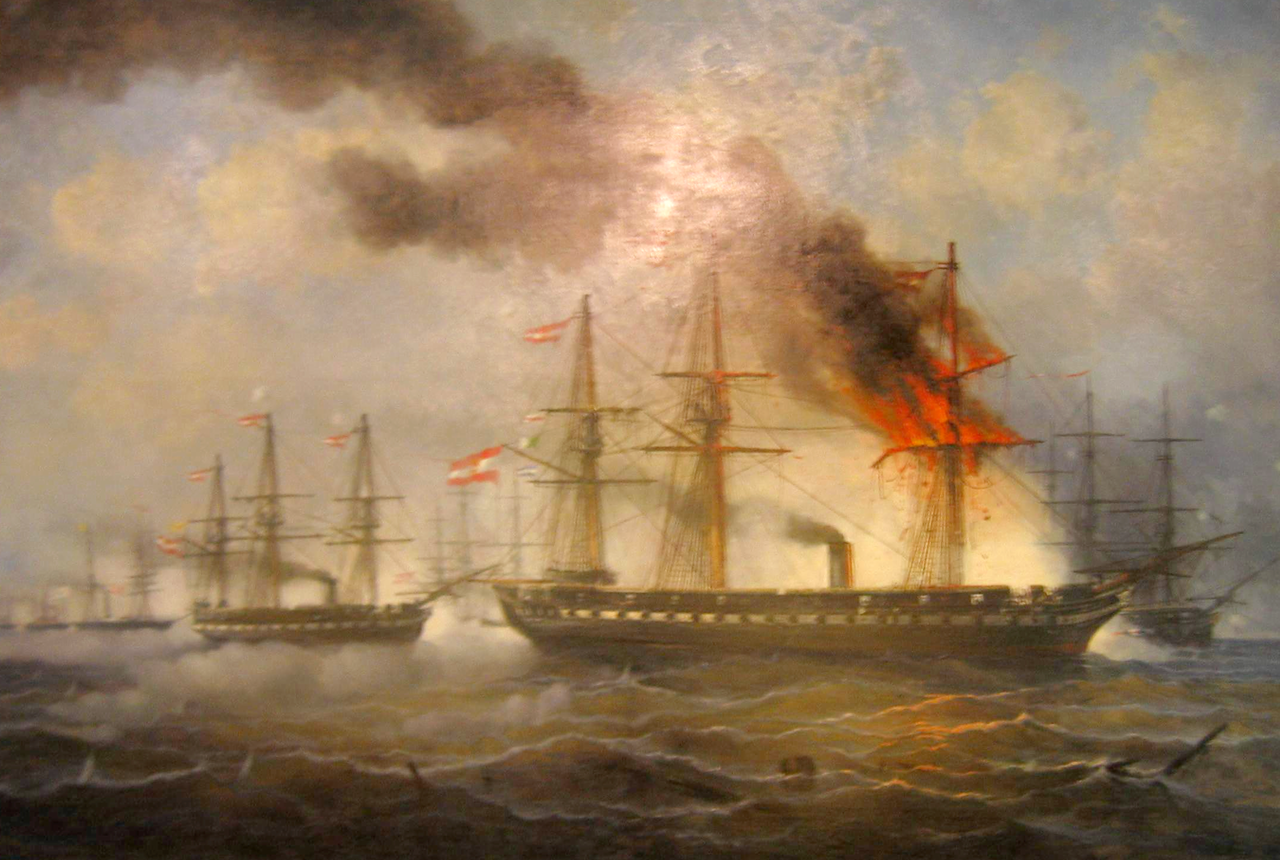


Overview
The year saw decisive campaigns in the American Civil War, continued European power struggles, and the establishment of rules intended to reduce wartime suffering. These events shaped national borders, military practice, and international norms.
Major military events
- American Civil War: Union forces under Ulysses S. Grant and William T. Sherman conducted sustained offensives. Grant assumed overall command of Union armies in the spring, leading to the Overland Campaign and hard fighting in Virginia; Sherman’s capture of Atlanta and his subsequent March to the Sea in late 1864 had major strategic and psychological impact.
- Second Schleswig War: In Europe, Prussia and Austria fought Denmark over control of the duchies of Schleswig and Holstein. The conflict, concentrated in early and mid-1864, ended with Danish territorial loss and influenced later German unification politics.
Humanitarian and legal developments
One of the most enduring outcomes of 1864 was the first Geneva Convention, concluded in August. Delegates from several European states agreed basic protections for wounded soldiers and medical personnel, laying a foundation for modern international humanitarian law and the Red Cross movement.
Cultural, political, and long-term significance
Politically, 1864 saw leadership and electoral moments that affected subsequent reconstruction and national trajectories: in the United States, President Abraham Lincoln won re-election late in the year, reaffirming the Union war effort. Militarily and diplomatically, the outcomes of campaigns and treaties in 1864 influenced state boundaries and the balance of power in Europe and North America.
Notable facts and legacy
Beyond battles and treaties, 1864 is remembered for accelerating the professionalization of armies, the increasing scale of civilian impact from total war strategies, and the institutionalization of humanitarian principles. These strands contributed to political, legal, and social changes extending well beyond the decade.
Related articles
Author
AlegsaOnline.com 1864 — Major events, conflicts, and global developments Leandro Alegsa
URL: https://en.alegsaonline.com/art/111828