
Neuschwanstein Castle: 19th‑Century Romantic Palace in Bavaria
Neuschwanstein Castle is a 19th‑century Romanesque Revival palace in Bavaria, built for King Ludwig II. Perched above Hohenschwangau, it is a major tourist landmark and a symbol of Romantic historicism.
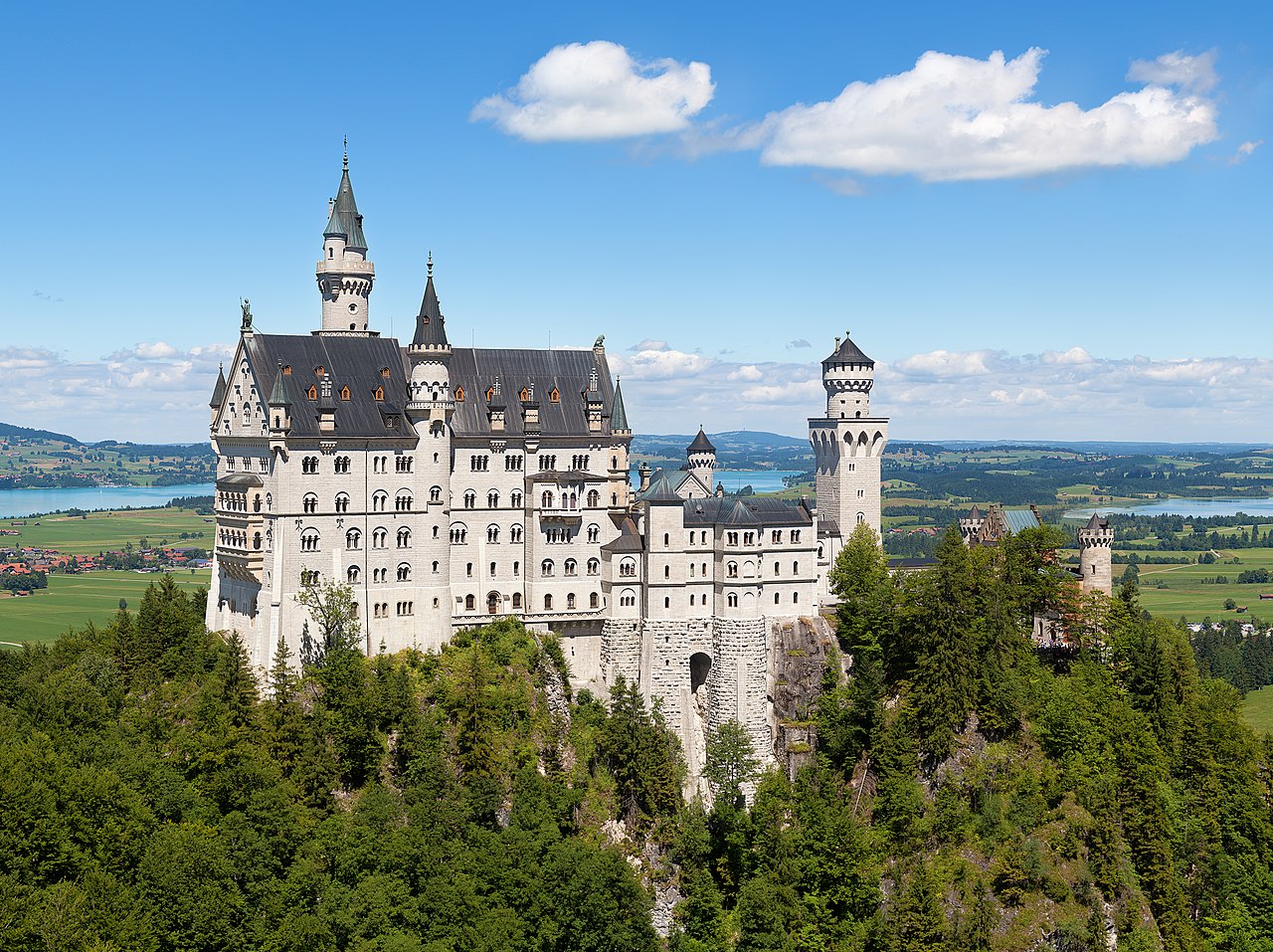
Overview: Neuschwanstein Castle, known in German as Schloss Neuschwanstein, is a late‑19th‑century palace built in a historicist Romanesque Revival style (Romanesque Revival) for King Ludwig II. The site is located in Bavaria, in southern Germany, near the village of Hohenschwangau. Though often described as a castle, it was conceived as an idealized and theatrical palace rather than a medieval fortress.
Image gallery
10 Images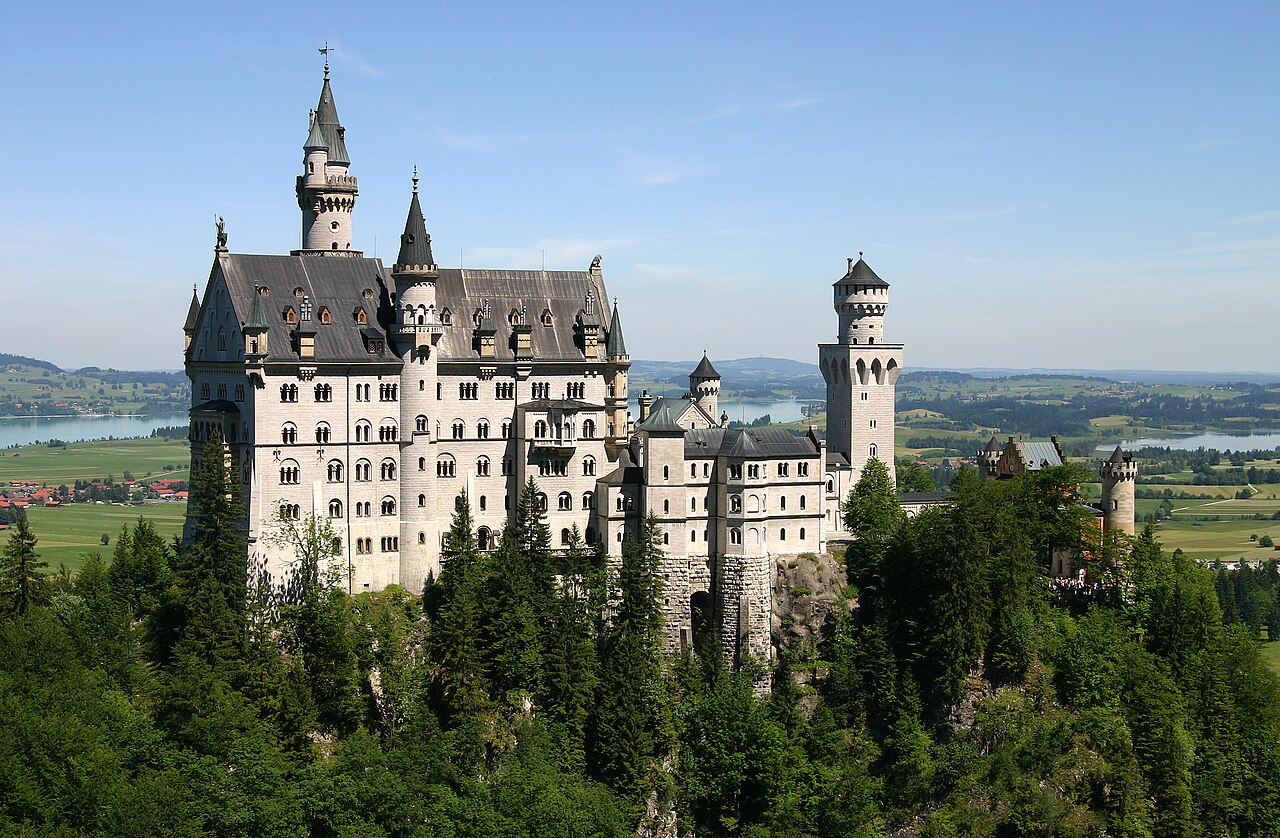



Design and character
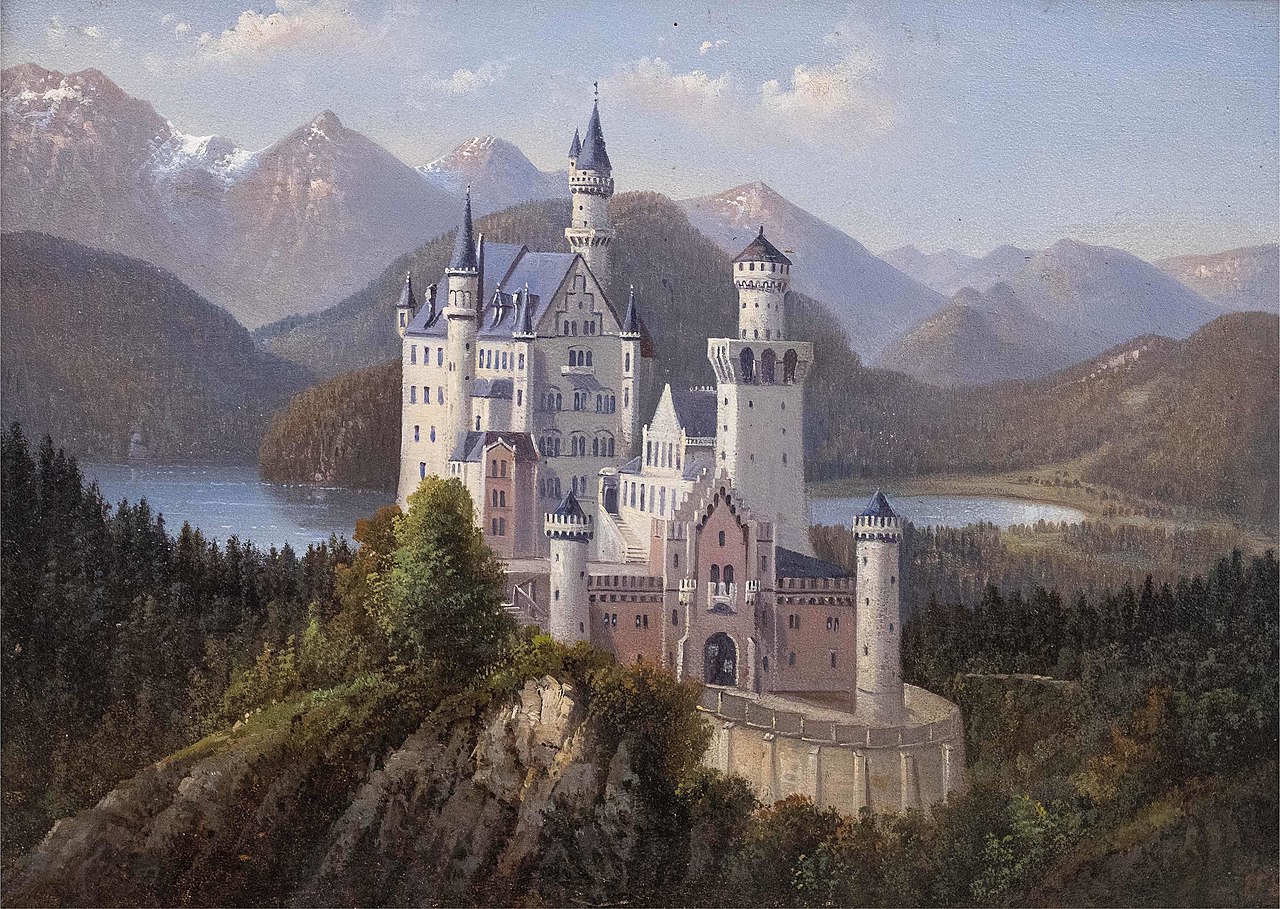
Neuschwanstein combines dramatic towers, steep gables and richly decorated interiors to create a fairytale silhouette. Its exterior evokes medieval castles through pointed turrets and machicolation motifs, while the interior is lavishly appointed with murals, carved wood, and grand ceremonial rooms such as the Throne Hall and the Singer's Hall. The project mixed historic architectural forms with modern 19th‑century building technology, producing a romanticized interpretation of the past.
History and construction
Commissioned by Ludwig II in the second half of the 19th century, construction began as a personal retreat for the king and as an homage to the ideals of chivalry and the Germanic legends he admired. Work continued for many years but the complex was never entirely finished. After Ludwig's death in 1886 the palace was opened to the public and gradually became accessible to visitors from across Europe and beyond.
Tourism and cultural importance
Today Neuschwanstein is one of Germany's most visited sites, drawing more than a million visitors annually. It is a frequent subject of photography and illustration, and has influenced popular images of castles worldwide, including well‑known fantasy and theme‑park designs. Access is possible by foot, shuttle or carriage from nearby towns; guided tours reveal selected state rooms and decorative schemes.
Notable facts
- Intended as a private refuge and a monument to medieval myth and opera-inspired themes.
- Construction blends historic styles with contemporary 19th‑century engineering and comforts.
- Though often portrayed as medieval, it is a product of Romantic historicism rather than a true medieval stronghold.
Visitors seeking to see Neuschwanstein should plan for seasonal crowds and limited interior access; exterior viewpoints and the nearby Marienbrücke (viewing bridge) offer iconic perspectives for photographs. For official visitor information and guided‑tour arrangements consult local resources linked by regional tourism offices and cultural heritage services.
Further reading and visitor details are available from regional and historical resources: Schloss Neuschwanstein (name), architectural style, palace concept, King Ludwig II, Bavaria, southern Germany.
Related articles
Author
AlegsaOnline.com Neuschwanstein Castle: 19th‑Century Romantic Palace in Bavaria Leandro Alegsa
URL: https://en.alegsaonline.com/art/69370