
Luigi Galvani — Pioneer of Bioelectricity
Italian physician and scientist (1737–1798) whose experiments with frog muscles founded the study of bioelectricity and inspired later developments in electrophysiology and electrochemistry.
Luigi Galvani (1737–1798) was an Italian physician and researcher whose observations on muscular contractions in dissected frogs established the idea that living tissues produce electrical effects. Working in Bologna as a teacher and clinician, Galvani combined anatomical study with experiments using metal probes and electrostatic generators. His findings led to the concept of "animal electricity" and gave rise to the term galvanism, which became foundational for later work in physiology and electrical science.
Image gallery
8 Images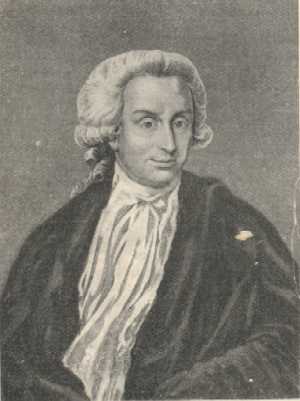




Key ideas and experiments
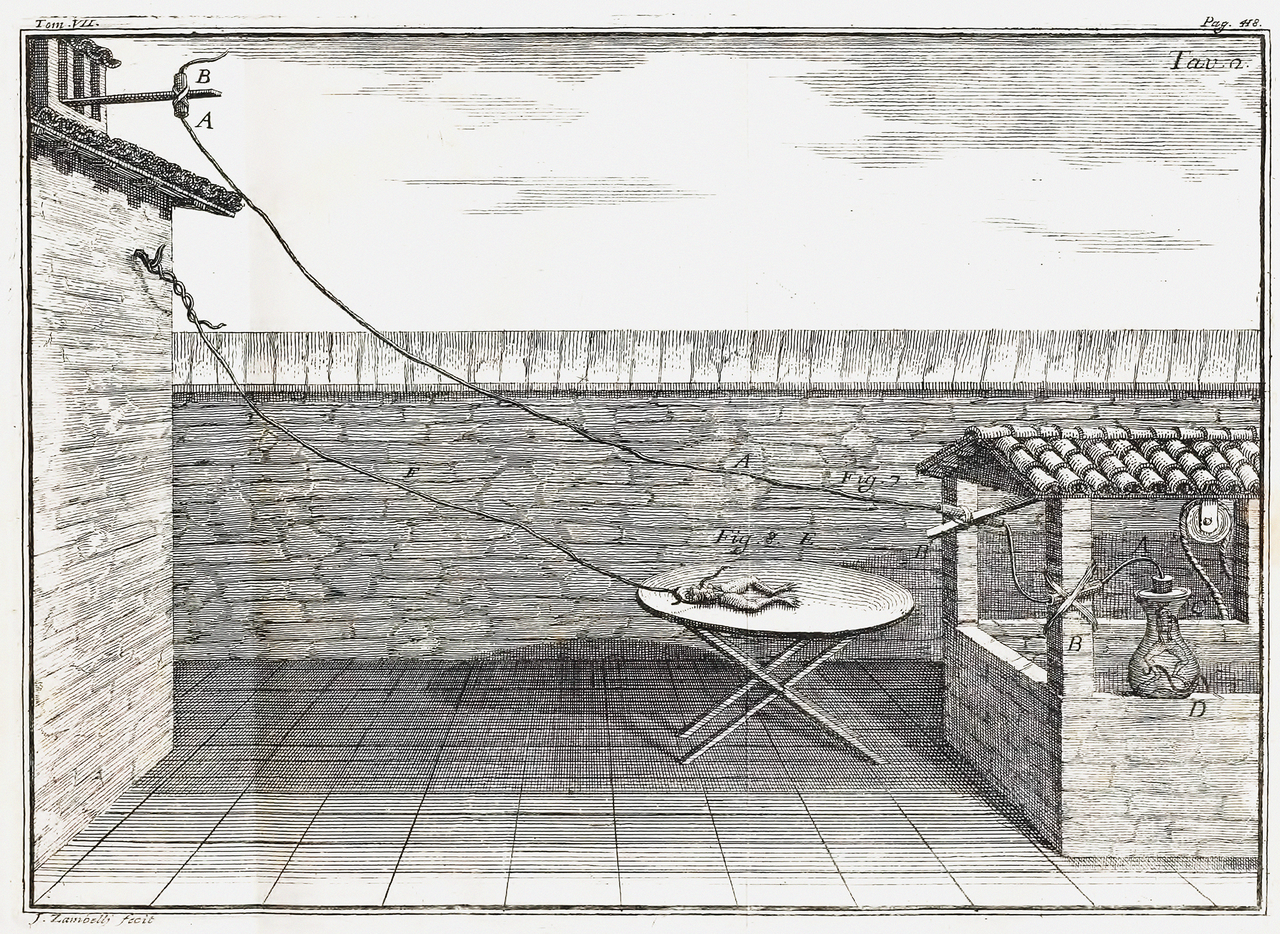
Galvani noticed that frog legs sometimes twitched when they were touched by metal instruments or exposed to sparks. He interpreted these responses as evidence that nerves and muscles contained an intrinsic electrical force. Rather than seeing electricity as only an external phenomenon produced by machines or friction, he argued that living tissues carried their own electrical agency that could be revealed under certain conditions. These experiments were mainly performed with frogs, which were a common and convenient experimental animal of his time.
Scientific context and debate
Galvani's interpretation sparked an important scientific dispute. Alessandro Volta, a contemporary, accepted the experimental observations but disagreed on their cause: Volta argued that the electricity came from the contact of dissimilar metals used in the experiments, not from the animal tissue itself. That disagreement stimulated further research. Volta's work culminated in the invention of the voltaic pile, the first true battery, while Galvani's work helped launch the study of bioelectric phenomena. The two positions are often summarized as "animal electricity" (Galvani) versus "contact electricity" (Volta).
Legacy and influence
Galvani's name survives in scientific language and instruments: words such as galvanism, galvanometer and galvanic are derived from his surname. His research influenced subsequent generations of physiologists and physicists who developed electrophysiology, the study of electrical properties of biological cells and tissues. Later understanding showed that muscle and nerve activity depend on ionic currents and membrane potentials, concepts that refine but do not invalidate Galvani's central insight that electricity is intimately linked to life processes.
Historical and cultural notes
Galvani was trained and worked as a physician and taught at the University of Bologna. Public demonstrations of nerve and muscle stimulation — including dramatic shows by his nephew Giovanni Aldini — contributed to popular fascination with electricity. Those events, combined with contemporary debates about life and mechanics, are often cited as one cultural influence on Mary Shelley's Frankenstein; critics usually treat this link as one of several inspirations rather than a single direct cause.
Modern relevance and distinctions
Today galvani's experiments are taught as a turning point in physiological science. While he did not invent the electric battery, his careful reporting of biological responses to electrical stimuli set the stage for the development of medical electrotherapy, electrophysiological measurement techniques and the conceptual framing that led to modern neuroscience. Current explanations locate the source of bioelectric phenomena in ion gradients and membrane dynamics rather than a distinct "animal fluid."
Further reading
- Biography and early life
- Galvani's experimental notes
- Work and context in Bologna
- Descriptions of frog experiments
- Animal electricity explained
- Relation to obstetrics and anatomy
- Nerve and muscle physiology
- Galvani versus Volta debate
- Influence on electrochemistry
- Cultural impact and Frankenstein
Note: This article emphasizes widely accepted historical and scientific points. For specialized or technical details about early electrical apparatus and 18th‑century experimental practice, consult dedicated historical sources and primary documents.
Related articles
Author
AlegsaOnline.com Luigi Galvani — Pioneer of Bioelectricity Leandro Alegsa
URL: https://en.alegsaonline.com/art/59829
Sources
- commons.wikimedia.org : Luigi Galvani
- scienceworld.wolfram.com : "Luigi Galvani (1737-1798)"