
Lighthouse: Purpose, design, history, and modern role
An overview of lighthouses: their purpose in maritime navigation, key parts and light technology, historical development from Pharos to Fresnel lenses, and contemporary uses and preservation.
A lighthouse is a coastal structure that projects a visible beam used for maritime navigation. Typically sited on a coast, headland or offshore shoal, a lighthouse warns vessels at sea — whether in an ocean or on a large lake — of hazards and helps mark harbor entrances so ships can avoid running aground. By sending light back toward the sea, lighthouses provide a visual reference that complements charts and electronic systems.
Image gallery
10 Images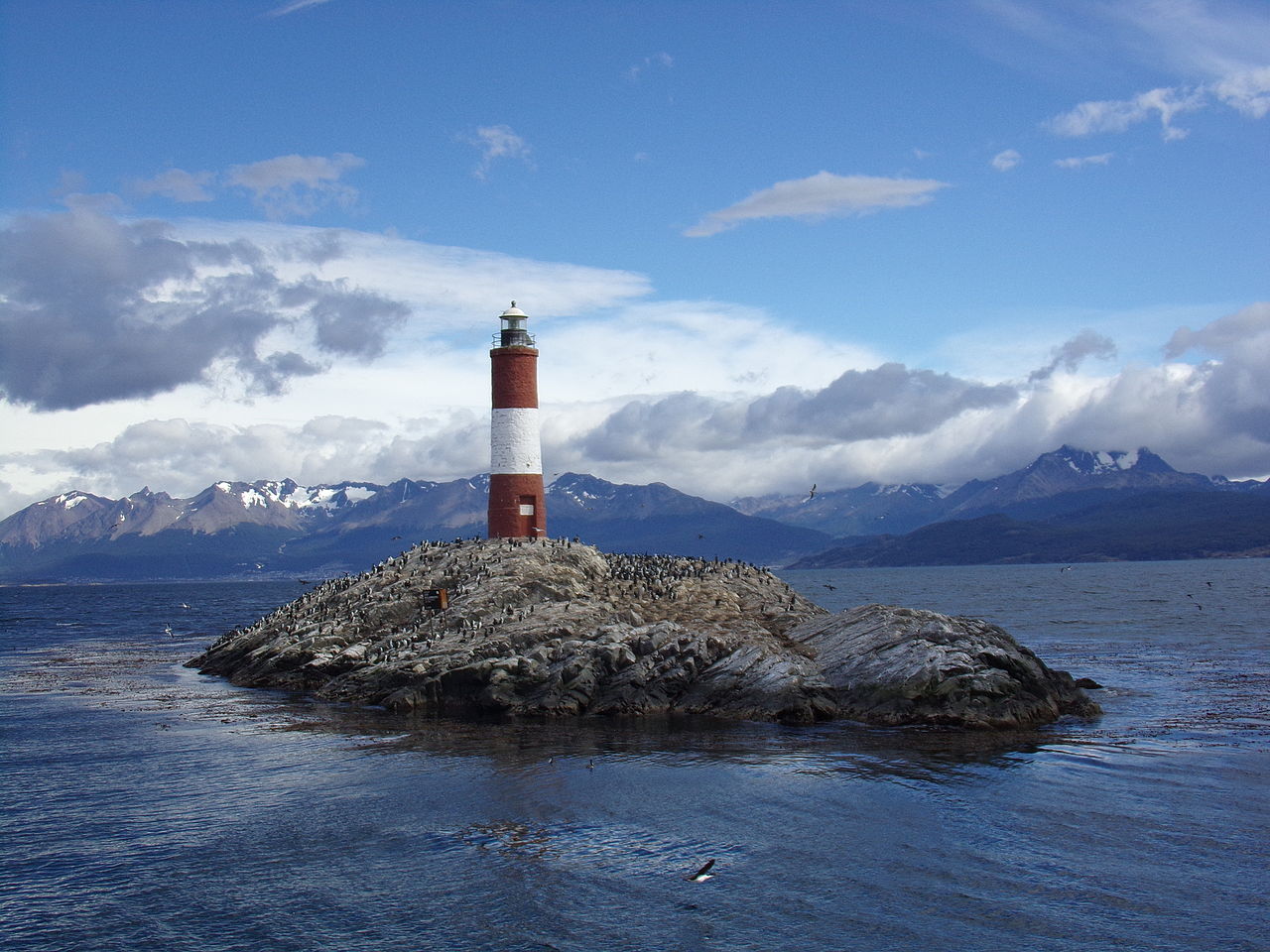






Design and characteristics
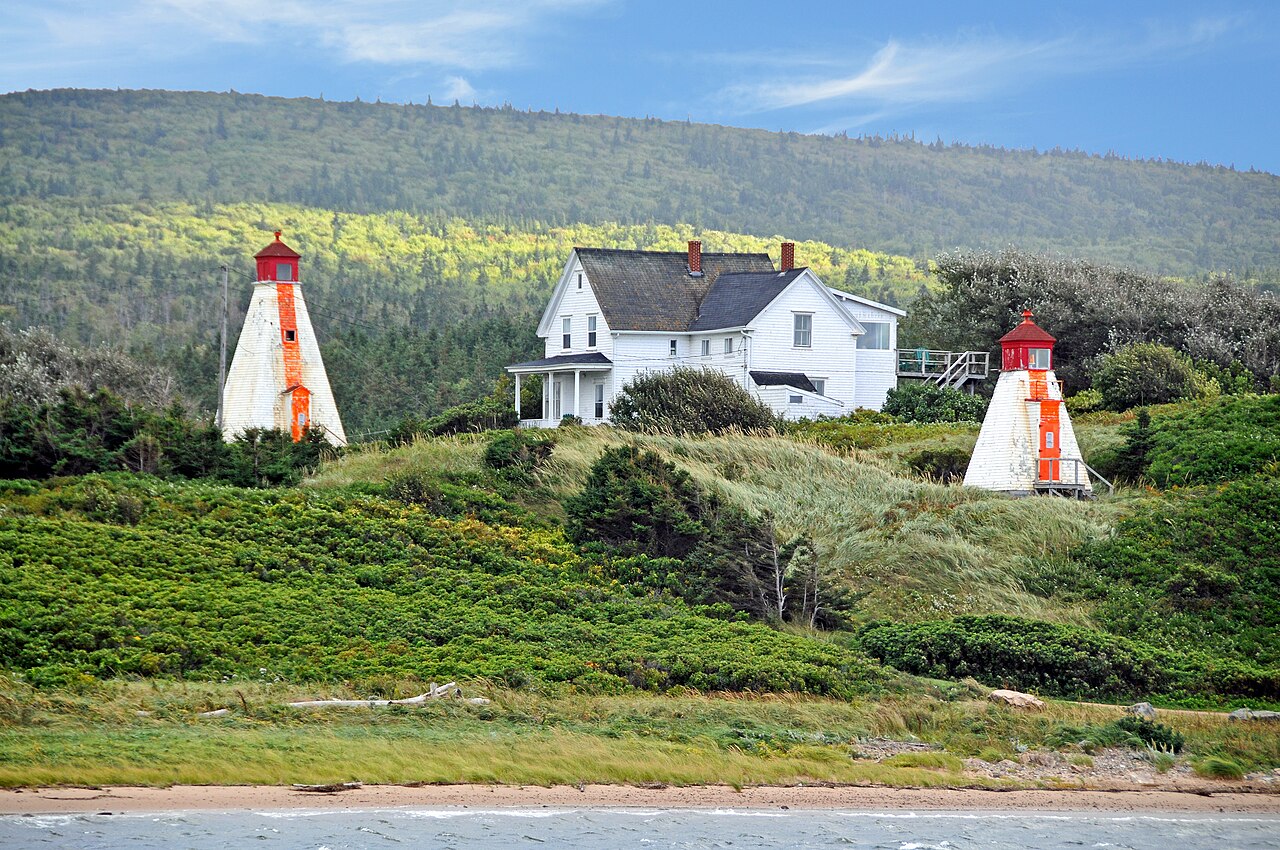
While sizes and shapes vary, most lighthouses share a few common elements: a tall tower to raise the light, a glass-enclosed lantern room, and accommodation or service spaces below. Materials have included masonry, cast iron, steel and reinforced concrete, chosen for durability against waves and wind. Many towers are painted or patterned with distinctive colors and bands — called daymarks — so they are identifiable in daylight.
Main parts
- Lantern — the glassed chamber where the light source and lens are housed.
- Fresnel lens — a compact, multi-faceted lens that efficiently focuses light; historically transformative in lighthouse range and clarity (Fresnel lens).
- Tower — raises the light to a specific focal height above sea level.
- Keeper's quarters — living spaces for lighthouse keepers before widespread automation.
The visible signal from a lighthouse may be steady or show a pattern of flashes, occultations or colors; these unique signatures allow mariners to distinguish one light from another. In many cases the lens assembly or light source turns, producing a periodic flash as the beams sweep the horizon — a mechanical rotation familiar from older designs (rotating optics). Historically, the people who relied on these signals were the sailors and pilots who navigated coastal waters.
History and development
Lighthouses have ancient origins: simple beacon fires were used on hilltops and promontories for centuries. One of the best-known early examples was the famous Lighthouse of Alexandria, located on the island called Pharos; that monument gave rise to the word for lighthouse in several languages. The 19th century saw major technical advances, especially the adoption of the Fresnel lens and more efficient fuels and lamps, which greatly extended visible range and reduced fuel consumption.
Modern role and preservation
Although electronic navigation systems and GPS have reduced dependence on visual aids, lighthouses continue to serve as low-tech backups, coastal markers, and platforms for fog signals, radio beacons and meteorological instruments. Most have been automated, eliminating the need for full-time keepers; many decommissioned towers have been preserved as cultural landmarks, museums or tourist attractions. Their engineering, cultural significance and association with maritime safety make lighthouses enduring symbols of coastal life and navigation.
Related articles
Author
AlegsaOnline.com Lighthouse: Purpose, design, history, and modern role Leandro Alegsa
URL: https://en.alegsaonline.com/art/57952