
Lighthouse of Alexandria (Pharos): ancient maritime beacon
The Lighthouse of Alexandria, or Pharos, was an ancient marvel on the island of Pharos that guided ships, symbolized Ptolemaic power, and inspired lighthouses worldwide. Its ruins survive underwater and in later constructions.
Overview
The Lighthouse of Alexandria, commonly called the Pharos, was a monumental tower erected on the island of Pharos to mark the entrance to Alexandria's busy harbor. Construction took place in the early Hellenistic period — between about 285 and 247 BCE — to aid navigation and advertise the city's importance as a commercial and cultural center.
Image gallery
10 Images



Form and characteristics
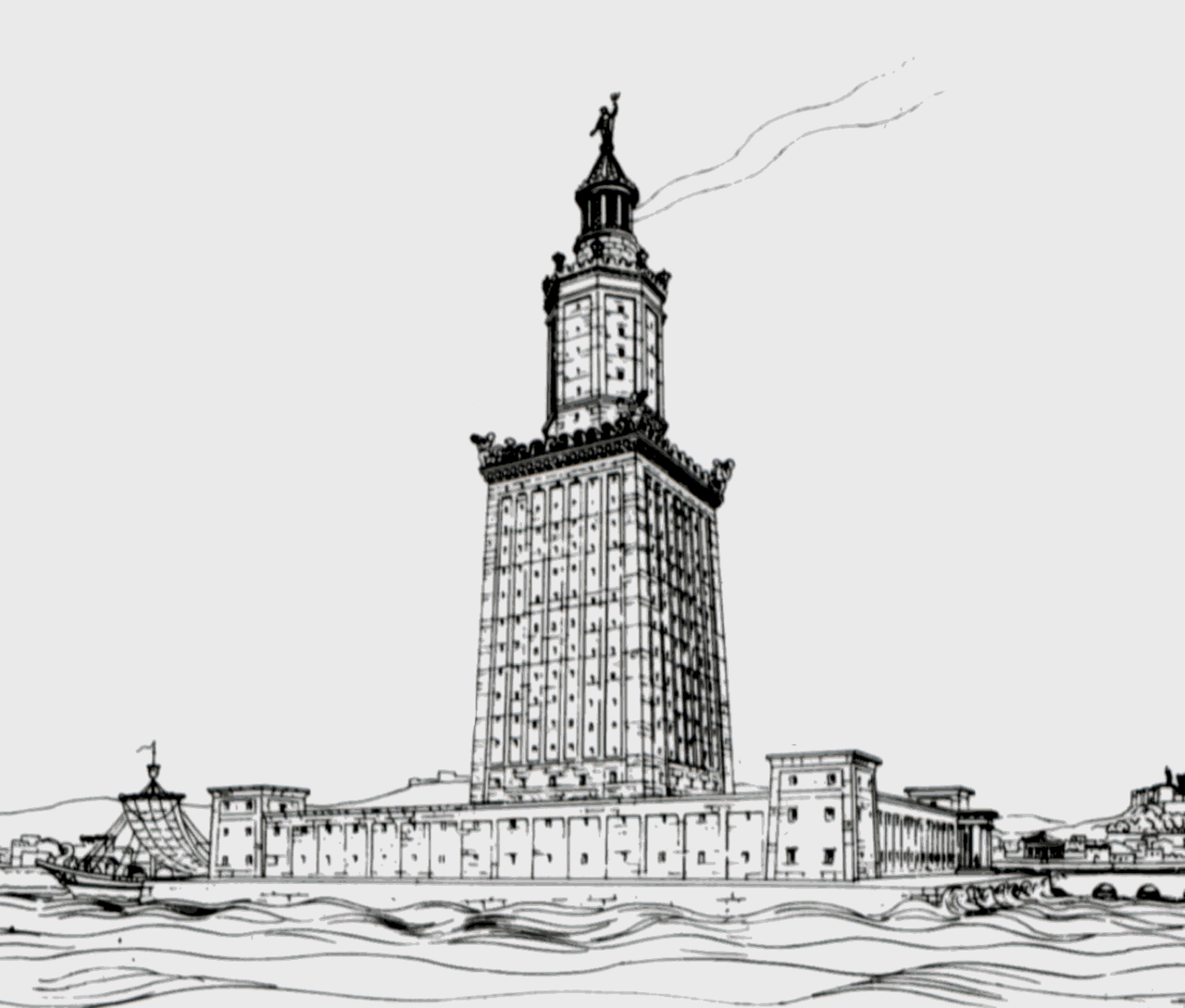
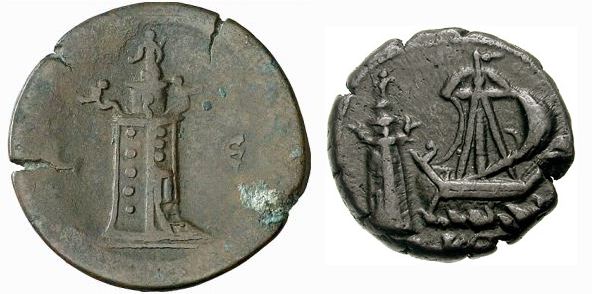
Ancient descriptions and later archaeological studies indicate a multi-stage structure, often described in three broad tiers: a broad square base, an intermediate octagonal section, and a circular top crowned by a platform for a fire. Built largely of stone blocks and lime mortar, the tower probably stood among the tallest human-made structures of its era; modern estimates place its height at roughly 100–140 metres. The summit reportedly held a large reflective device — described as a mirror or polished metal surface — that threw sunlight by day and a fire that burned at night to improve visibility.
Construction and context
The lighthouse was commissioned by the Ptolemaic rulers of Egypt as part of Alexandria's harbor works and linked to the mainland by the Heptastadion causeway. The architect often associated with the project is Sostratus of Cnidus, who is said in some sources to have left a dedicatory inscription. Its location on the island of Pharos near Alexandria made it a prominent landmark visible to approaching ships and a tangible expression of Hellenistic engineering.
Function, uses, and significance
Primarily a navigational aid, the Pharos helped sailors avoid shoals and find the harbor's entrance, especially at night or in poor weather. Beyond its practical role, it acted as a symbol of the city's wealth and technological prowess and became an architectural model for later lighthouses. The word for "lighthouse" in several European languages — pharos, faro, phare — derives from its name, reflecting its broad cultural influence.
Decline and remains
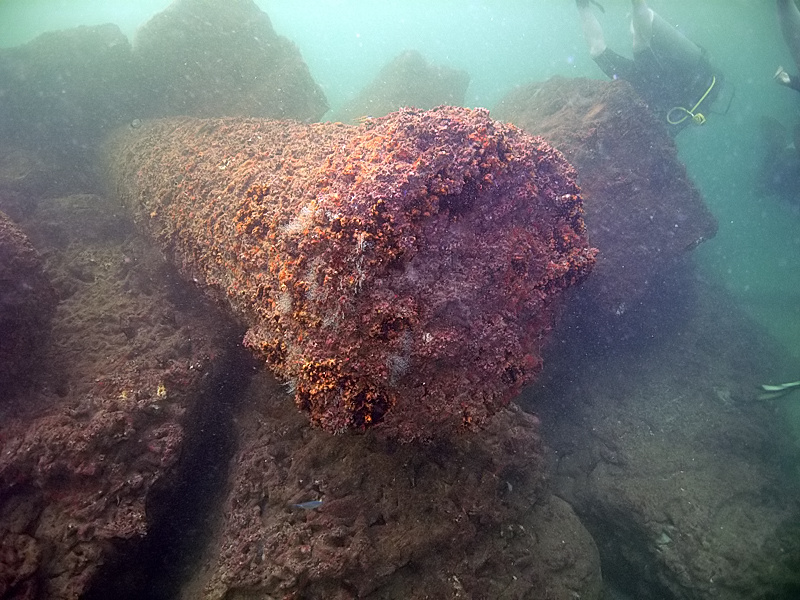
Over many centuries the lighthouse suffered damage from earthquakes and changing political fortunes. By the late medieval period it had largely crumbled; major quakes between the 10th and 14th centuries are typically cited in accounts of its destruction. Much of its stone work was later reused, and in the 15th century the Mamluk sultan Qaitbay built a fortress on or near the original site. Archaeological investigation and underwater surveys have recovered architectural fragments from the harbor area, confirming aspects of the tower's structure and materials (archaeological finds).
Legacy and modern relevance
The Lighthouse of Alexandria is classed among the Seven Wonders of the Ancient World and endures as a symbol of ancient engineering and maritime culture. Its form inspired the design of later lighthouses and it remains an object of study for historians, archaeologists, and conservators. Reconstructions, models, and references in literature and art keep the Pharos prominent in both popular imagination and scholarly discussion (Egyptian and Mediterranean context, engineering and heritage).
- Location: island of Pharos, entrance to Alexandria's harbor.
- Period: Hellenistic era, built c.285–247 BCE.
- Function: navigational lighthouse and city monument.
- Status: ruined by earthquakes; remains studied and partly reused.
For further reading and images consult specialized archaeological publications and museum collections. Some online resources and museums reproduce inscriptions, plans, and finds that illuminate the Pharos' construction and long influence on coastal navigation.
Questions and answers
Q: What is the Lighthouse of Alexandria?
A: The Lighthouse of Alexandria, or Pharos, is a tall tower built in Alexandria, Egypt between 285 and 247 BCE.
Q: What was the purpose of the Lighthouse of Alexandria?
A: The Lighthouse of Alexandria was built to serve as a lighthouse for sailors.
Q: What was on the top of the tower?
A: The top of the tower had a mirror that reflected sunlight during the day and a fire that was lit at night.
Q: When was the Lighthouse of Alexandria built?
A: The Lighthouse of Alexandria was built between 285 and 247 BCE.
Q: Where is the Lighthouse of Alexandria located?
A: The Lighthouse of Alexandria is located on the island of Pharos in Alexandria, Egypt.
Q: What is the origin of the word "pharos"?
A: The word "pharos" is the equivalent of "lighthouse" in some languages and was derived from the name of the island on which the Lighthouse of Alexandria was built.
Q: Who built the Lighthouse of Alexandria?
A: The Lighthouse of Alexandria was built during the reign of Ptolemy II Philadelphus by Sostratus of Cnidus.
Related articles
Author
AlegsaOnline.com Lighthouse of Alexandria (Pharos): ancient maritime beacon Leandro Alegsa
URL: https://en.alegsaonline.com/art/57950