
Log cabin: history, construction, and cultural significance
A log cabin is a dwelling built of horizontal logs. This article covers origins in northern Europe, construction methods, American frontier use, modern adaptations, cultural symbolism, and notable examples.
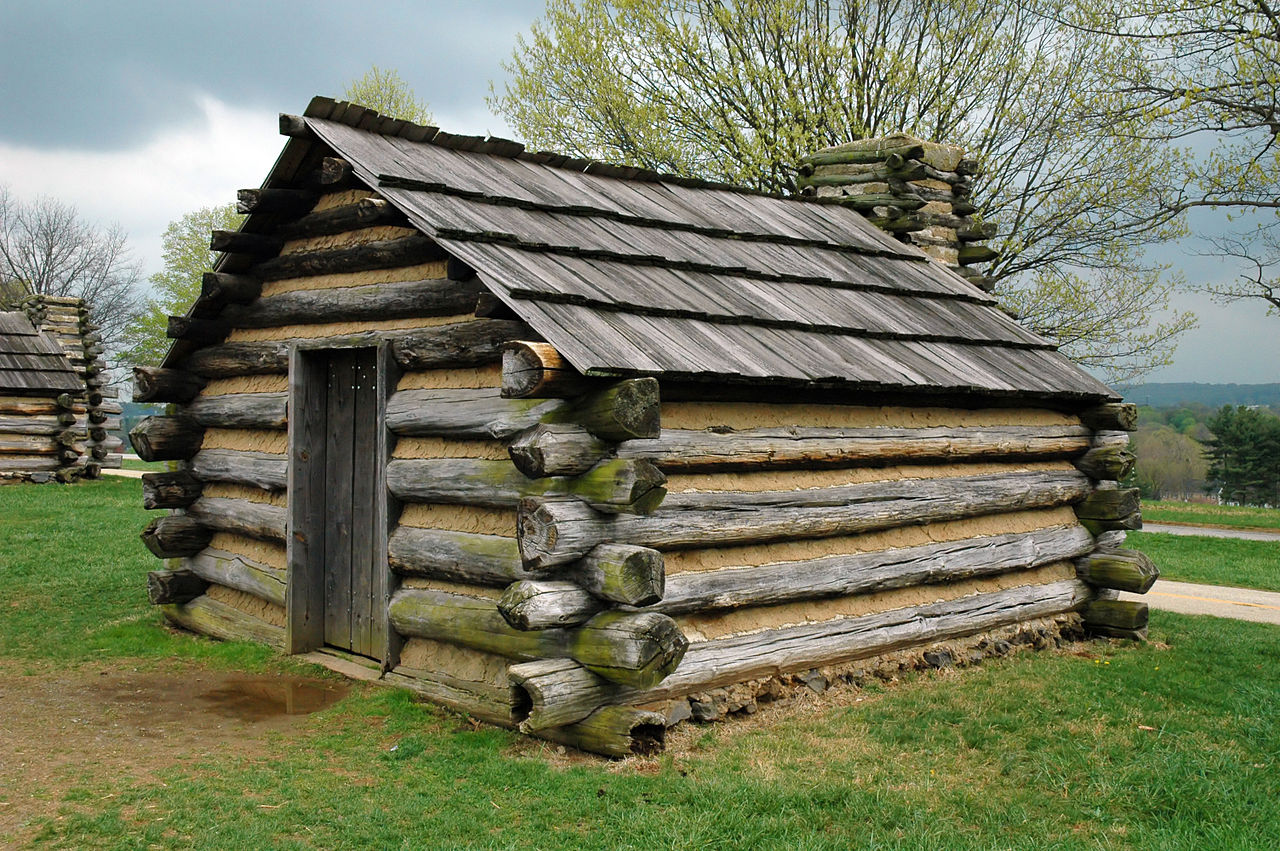
A log cabin is a house constructed from stacked wooden logs, traditionally assembled without nails by interlocking notches at the corners. These simple timber structures have long served as practical homes in heavily forested regions. Their form ranges from small one-room pioneers' shelters to larger, finished log homes with modern amenities. The phrase "log cabin" is often used broadly to describe rustic timber architecture as well as a symbol of modest origins.
Image gallery
10 Images



Origins and historical development
Timber building using horizontal logs has roots in northern Europe—particularly in the Scandinavian and Baltic regions—and spread across Eurasia. Settlers from these areas brought log-building techniques to North America and other forested colonies. On the American frontier, log cabins became especially associated with early European settlers and westward expansion, where plentiful trees made logs the most accessible building material. Over time, regional styles evolved with varied notching methods, roof shapes, and hearth arrangements.
Construction, materials, and types
Traditional log cabins use whole or hewn logs joined at the corners with notches such as saddle, V, or dovetail cuts. Gaps between logs were filled with chinking—originally a mix of clay, moss, or lime—later replaced by manufactured sealants. Key characteristics include:
- Logs: round, squared, or milled timbers chosen for strength and local availability.
- Corner notching: provides structural stability without fasteners.
- Chinking and sealing: improves weather resistance and insulation.
- Foundations and roofs: vary from simple stone footings to full basements and modern roofing materials.
Distinctions are often made between a modest "log cabin"—a small, rustic shelter—and a "log home"—a larger residence finished to modern standards. Prefabricated log kits and milled log systems have made construction faster and more uniform in recent decades.
Cultural importance and examples
In the United States, log cabins are strongly associated with pioneer life and self-reliance. They have served as political imagery: some leaders framed their biographies around humble cabin origins to connect with voters. One of the most famous associations is that of Abraham Lincoln, long celebrated in folklore as being born in a log cabin; that connection inspired the popular children's toy "Lincoln Logs." The cabin image endures in literature, film, and marketing as an emblem of simplicity and frontier spirit. For more on the broader pioneer context, see pioneer culture.
Modern use, preservation, and notable groups
Today, log buildings serve varied roles: year-round homes, vacation cabins, historic landmarks, and commercial lodges. Modern techniques address insulation, pests, and settling, while preservation efforts protect 19th-century and earlier examples for their historical value. Log construction also appears in kit form, allowing buyers to assemble pre-cut logs on site. Beyond architecture, the term "log cabin" appears in organizational names—most notably a U.S. group representing LGBTQ conservatives—demonstrating how the cabin metaphor continues to carry social and political meaning.
Whether as vernacular architecture, heritage artifact, or cultural symbol, the log cabin remains a distinctive and adaptable building type rooted in practical timber craft and widely recognized across regions with abundant forests.
Related articles
Author
AlegsaOnline.com Log cabin: history, construction, and cultural significance Leandro Alegsa
URL: https://en.alegsaonline.com/art/58828
Sources
- nps.gov : Log Cabins in America:The Finnish Experience
- newyorker.com : Lepore, Jill. "BOUND FOR GLORY: Writing campaign lives"
- gaycitynews.com : Log Cabin's Guerriero Talks Aggressive Strategy