
Lhasa Apso (Tibetan companion dog)
Small Tibetan dog breed with a dense coat and watchdog instincts. Originated in Lhasa, Tibet; long-lived and spirited, it needs regular grooming, early socialization, and routine veterinary care.
Overview
The Lhasa Apso is a small breed of dog that originated in the city of Lhasa in Tibet. Bred for life at high altitude and used historically as indoor companions and sentinel animals in monasteries and homes, the Lhasa Apso is valued for its distinctive long coat, alert temperament, and compact size.
Image gallery
7 Images



Appearance and characteristics
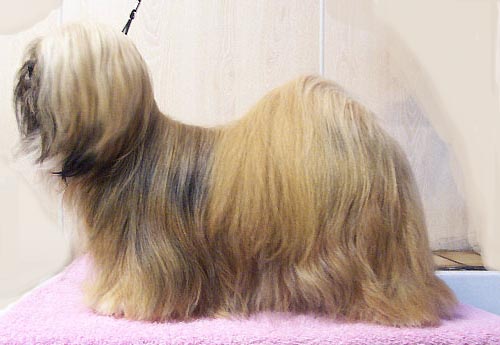
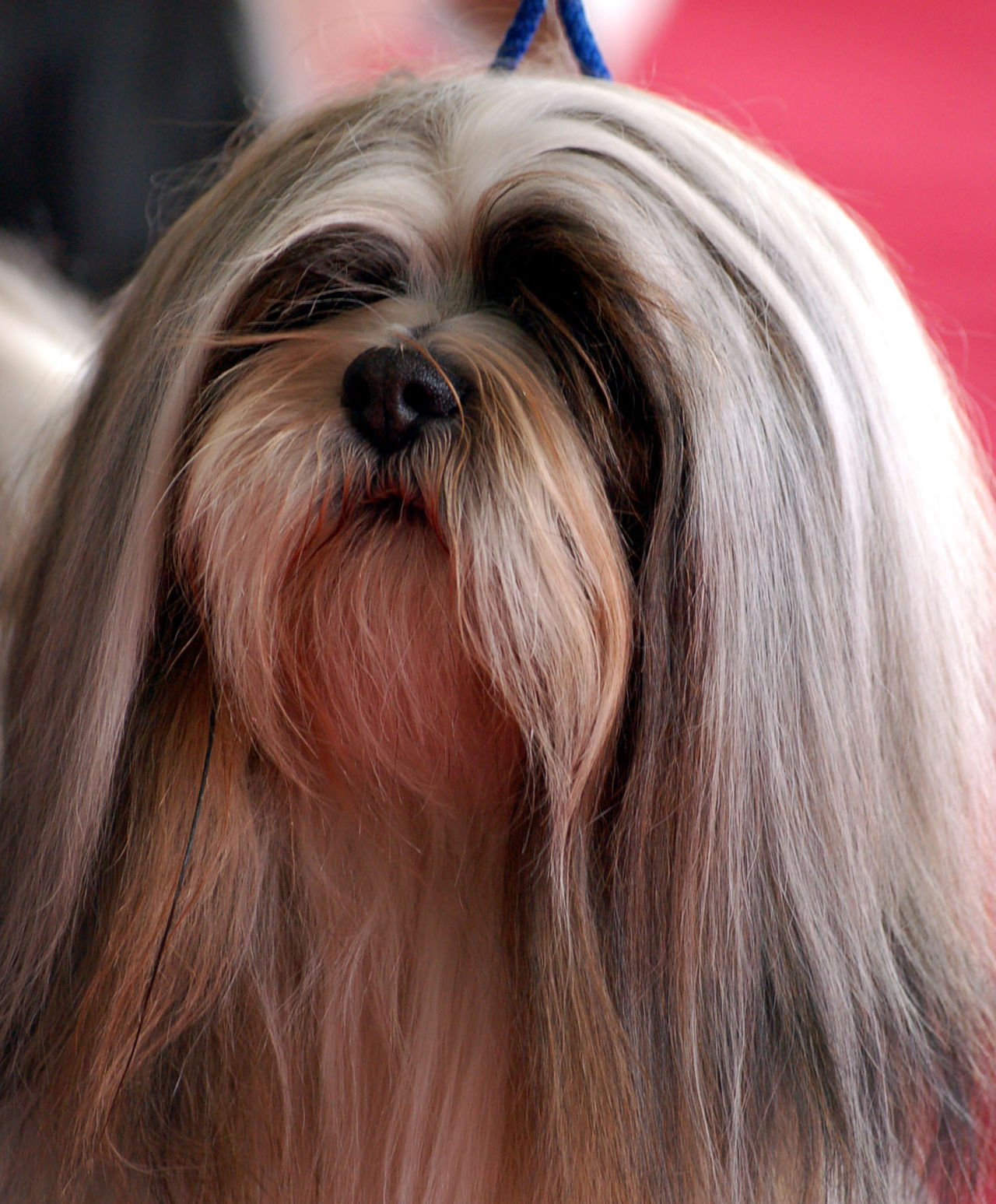
Lhasas are small but sturdy, with males typically weighing about 14 to 18 pounds and females slightly less. Their signature feature is a long, dense coat of fur that helped protect them from cold Tibetan weather; coats occur in many colors and combinations. Typical facial features include dark brown eyes and a black nose, with a plumed tail usually carried over the back. Overall proportions give an impression of balance rather than a toy-like build.
Temperament and behavior
Lhasa Apsos are often described as alert, independent, and sometimes aloof with strangers, while devoted to their families. They can be lively and playful, but their alertness and tendency to bark made them effective watchdogs in their native setting. Early socialization and consistent, positive training help channel their intelligence and occasional stubbornness into good manners.
Health and lifespan
These dogs are known for relatively long lifespans; many live well into middle age and some individuals have been reported to reach advanced ages. As with many small breeds they can develop musculoskeletal problems—Lhasas may be predisposed to arthritis and other joint issues—and they benefit from routine veterinary screening, dental care, and appropriate weight management to reduce strain on the limbs.
Care, grooming and living needs
- Grooming: regular brushing prevents mats; professional trimming or a shorter "puppy cut" are common options.
- Exercise: moderate daily activity and mental stimulation suit their size and energy level.
- Health maintenance: ear and dental care, seasonal coat care, and veterinary checkups support longevity.
- Home life: they adapt well to apartment living when given attention and socialization.
History and distinctions
The Lhasa Apso has an ancient association with Tibetan culture and was once kept mainly by monks and nobility as a companion and house guardian. It is often compared to other long-coated Tibetan breeds such as the Shih Tzu and Tibetan Terrier, but it is distinct in ancestry, size proportions, and traditional role. Today the breed is kept worldwide as a companion dog admired for its appearance, personality, and historical ties to Tibet.
For further reading, breed clubs and veterinary resources provide detailed guidance on health testing, grooming standards, and responsible ownership. See links to breed information and care resources: breed overview, general dog care, origins, Tibet, size ranges, coat care, fur types, eye color, nose color, joint health.
Related articles
Author
AlegsaOnline.com Lhasa Apso (Tibetan companion dog) Leandro Alegsa
URL: https://en.alegsaonline.com/art/57660