
Sarcosaurus: an Early Jurassic basal theropod
Sarcosaurus is a genus of early Jurassic basal theropod known from fragmentary remains in Britain. A small to medium, lightly built carnivore, it helps illuminate early theropod anatomy and post‑Triassic recovery.
Overview
Sarcosaurus (literally "flesh lizard") is a genus of early Jurassic, basal theropod dinosaur known mainly from fragmentary skeletal material. It ranks among the relatively few theropods documented from the earliest part of the Jurassic and is important because it represents the continuing evolution and diversification of predatory dinosaurs after the end‑Triassic crises.
Image gallery
10 Images



Physical characteristics
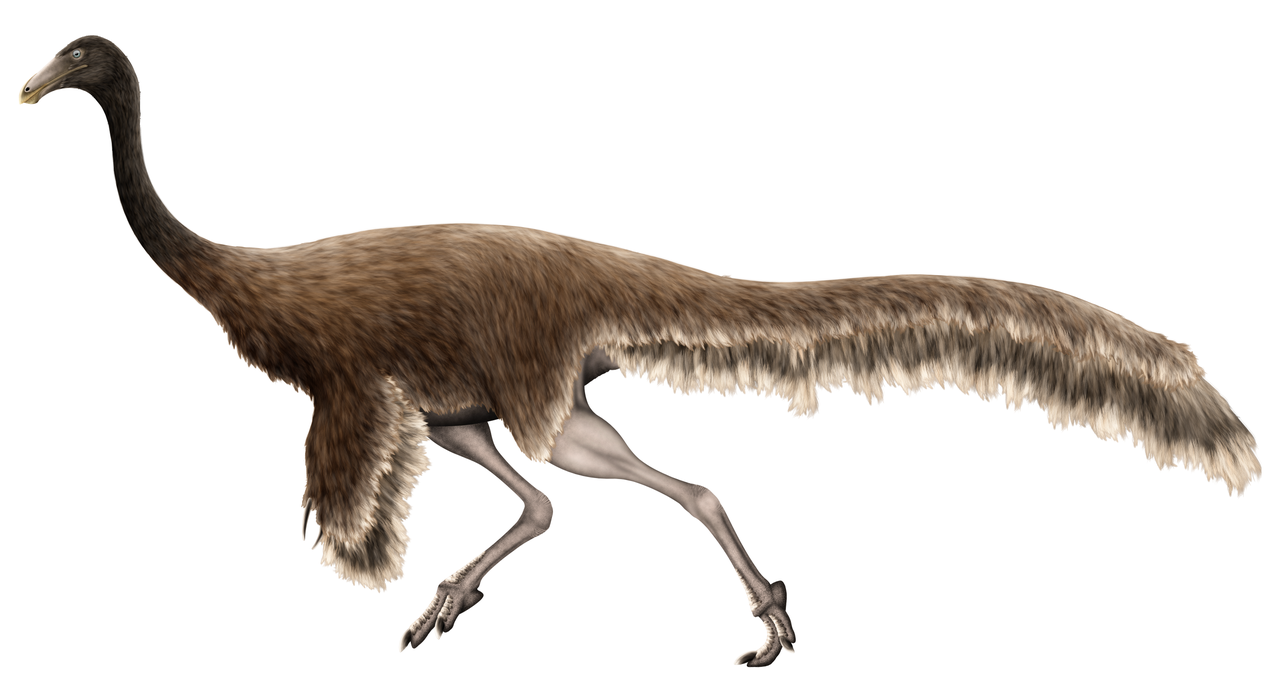
The available fossils indicate a lightly built, bipedal carnivore with the general body plan typical of early theropods: slender hind limbs adapted for running, a long tail for balance, and grasping forelimbs. Exact proportions are uncertain because no complete skeleton is known, but reconstructions portray a small-to-medium animal rather than one of the later, larger theropods.
- Skull and teeth: known from fragments; teeth indicate a meat‑eating diet.
- Postcranial bones: vertebrae, portions of pelvis and limbs show primitive theropod features.
- Size: estimates vary; generally described as several meters in length with a light frame.
History and discovery
Material attributable to this genus was recognized and named in the early 20th century from sediments in Britain. Because most specimens are incomplete and scattered among older museum collections, the taxonomy and species-level distinctions have been debated. Researchers continue to reevaluate the material with modern methods, which sometimes changes how isolated bones are assigned to Sarcosaurus or to other early theropods.
Significance and context
Sarcosaurus occupies an important place in studies of early Jurassic faunas. It provides information about the anatomy, diversity, and geographic distribution of neotheropods during a period when dinosaur lineages were diversifying. Comparisons are often made with other early theropods worldwide to trace the early evolution of characteristic features of later predatory dinosaurs.
Fossil record and research
The record is fragmentary, which limits firm conclusions but encourages cautious reassessment as new finds appear. Ongoing fieldwork and revised study of historical specimens aim to clarify which bones belong to Sarcosaurus and how many distinct species the genus includes. For further general context on early Jurassic theropods see related summaries and museum resources. Sarcosaurus remains a focal example of how incomplete fossils can still contribute to understanding large evolutionary patterns.
Notable facts
Meaning: "flesh lizard." Taxonomy: considered a basal neotheropod by many authors but with some uncertainty. Importance: one of the relatively rare early Jurassic theropods that help bridge the gap between Triassic ancestors and later Jurassic predators.
Related articles
Author
AlegsaOnline.com Sarcosaurus: an Early Jurassic basal theropod Leandro Alegsa
URL: https://en.alegsaonline.com/art/57700
Sources
- dml.cmnh.org : Dinosaur Mailing List entry (mentions "Liassaurus" briefly)