
Lesser Roadrunner (Geococcyx velox)
A ground‑dwelling bird of arid and semi‑open habitats in Mexico and Central America, the lesser roadrunner is a smaller, swift relative of the greater roadrunner with distinctive markings and terrestrial habits.
The lesser roadrunner (Geococcyx velox) is a long‑legged, terrestrial bird of the cuckoo family known for running across open ground rather than relying on long flights. It is one of two species commonly referred to as roadrunners; see general information on roadrunners. The lesser roadrunner resembles its larger counterpart, the greater roadrunner, but is smaller overall and has a proportionally shorter bill.
Image gallery
4 Images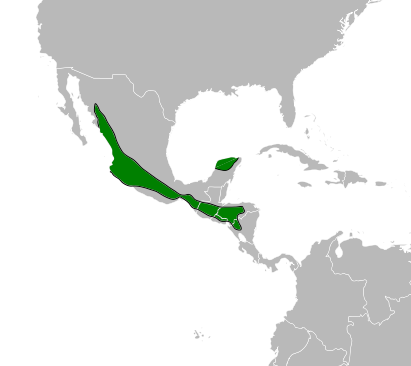


Physical characteristics
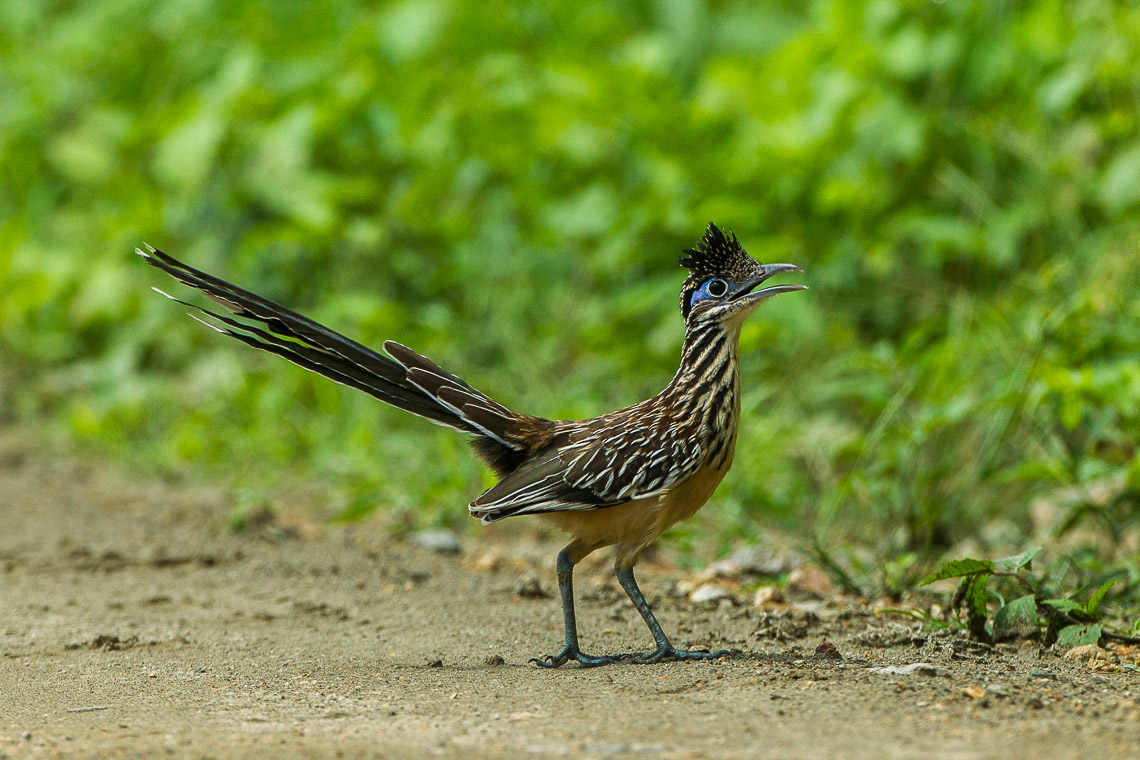
Adults are slender, with strong legs, an elongated tail, and a head crest that can be raised. Plumage combines streaks and mottling of black, brown and white on the back and wings, with a paler, often yellowish‑white underside. Typical measurements fall around 12–20 inches (30–50 cm) in length and a weight near 8–15 ounces (200–425 g). Like many cuckoos, they have zygodactyl feet (two toes forward, two back), which aid stability when running and perching.
Range, habitat and behavior
The species occurs primarily in Mexico and extends into parts of Central America. It favors dry, open landscapes such as scrubland, thorn forest, arid woodlands and edges of cultivated areas where visibility and firm ground facilitate running. Lesser roadrunners are largely non‑migratory and are most often seen alone or in pairs.
They are primarily terrestrial hunters: quick on their feet, they pursue insects, small reptiles, amphibians, rodents and other small prey, and will take eggs or carrion opportunistically. Flight is used for short bursts, roosting and escape; most movement is by rapid strides. Vocalizations and territorial displays occur during the breeding season.
Reproduction and relationship to people
Nesting usually involves a bulky platform of sticks placed in a shrub or low tree; both parents commonly help build the nest and raise young. Clutch sizes and specific breeding timings vary regionally. The lesser roadrunner is not commonly kept in captivity and is mainly observed in the wild, admired for its distinctive appearance and behavior.
Although less famous than the greater roadrunner, the lesser species plays a similar ecological role as a mid‑level predator of small animals in arid ecosystems. Populations are generally stable across much of their range and the species is not widely regarded as threatened, though habitat alteration can affect local numbers.
Questions and answers
Q: What is the lesser roadrunner?
A: The lesser roadrunner is a species of bird that is found in Mexico and Central America.
Q: How does the lesser roadrunner compare to the greater roadrunner?
A: The lesser roadrunner looks a lot like the greater roadrunner but is smaller and has a shorter beak.
Q: What is the size and weight of the lesser roadrunner?
A: The lesser roadrunner is 12 to 20 inches in length and weighs around 8 to 15 ounces.
Q: What are the colors of the lesser roadrunner's feathers?
A: The lesser roadrunner's wings and tail are covered with black, brown and white feathers, and it has a yellowish-white belly.
Q: What kind of feet does the lesser roadrunner have?
A: The lesser roadrunner has zygodactyl feet, meaning it has two toes on the back of its feet and two toes on the front.
Q: Where is the lesser roadrunner found?
A: The lesser roadrunner is found in Mexico and Central America.
Q: What is the physical appearance of the lesser roadrunner?
A: The lesser roadrunner is large and slender with long legs. It has black, brown and white feathers on its wings and tail, and a yellowish-white belly.
Related articles
Author
AlegsaOnline.com Lesser Roadrunner (Geococcyx velox) Leandro Alegsa
URL: https://en.alegsaonline.com/art/57459