
Coral reef — structure, ecology, and conservation
Coral reefs are underwater ecosystems built mainly by stony corals. This article describes their structure, formation, biodiversity, human uses, threats, and conservation, with notable examples and reef types.
Overview
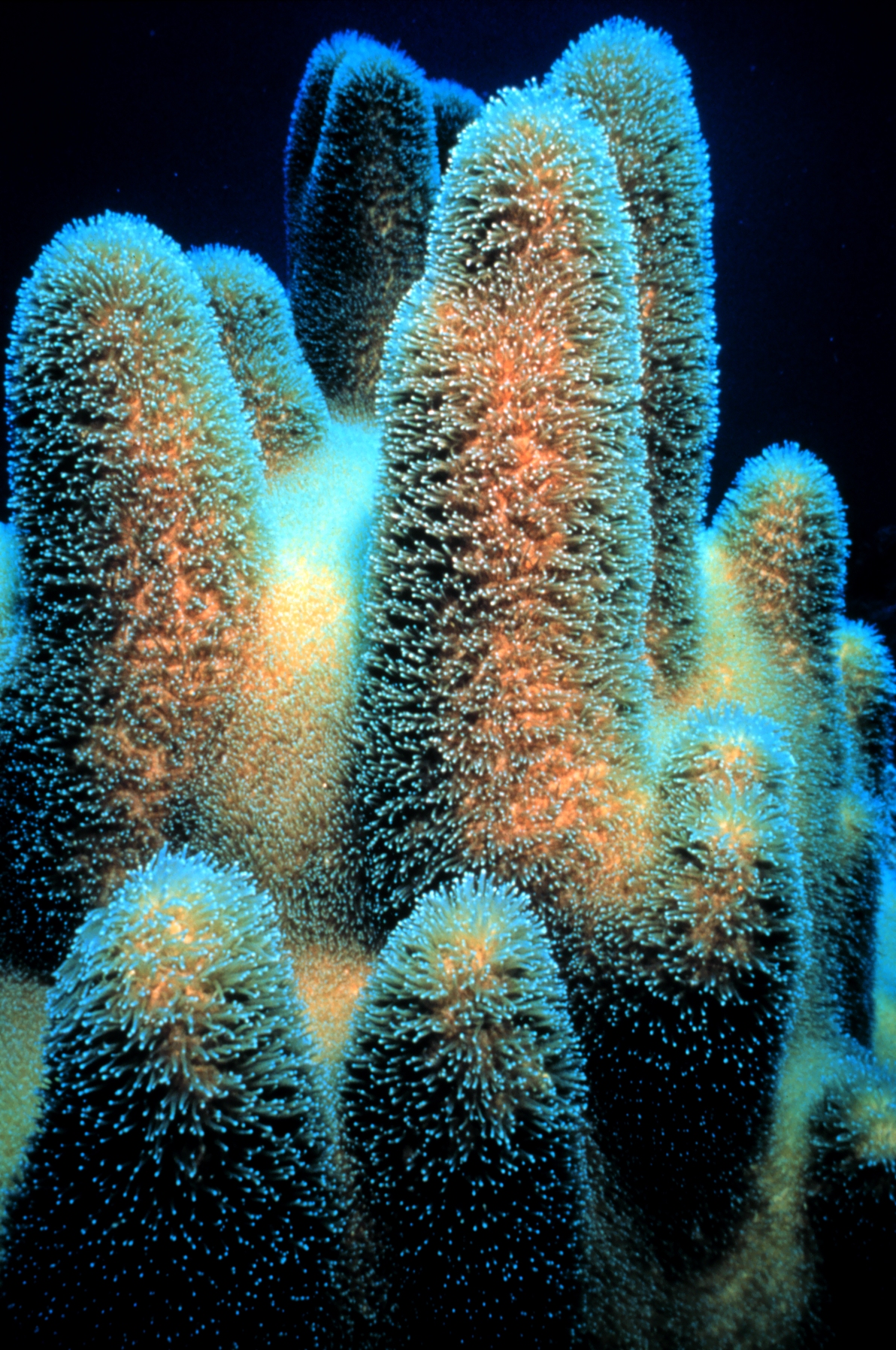
A coral reef is a large underwater structure composed of the skeletons of many generations of corals and the living animals that build them. Most reef frameworks are formed by stony, or scleractinian, corals which live in colonies of colonial polyps. These animals belong to the phylum Cnidaria and secrete a hard external exoskeleton made chiefly of calcium carbonate. Over long periods, the gradual accumulation of these skeletons produces the complex three-dimensional habitats known as coral reefs.
Image gallery
10 Images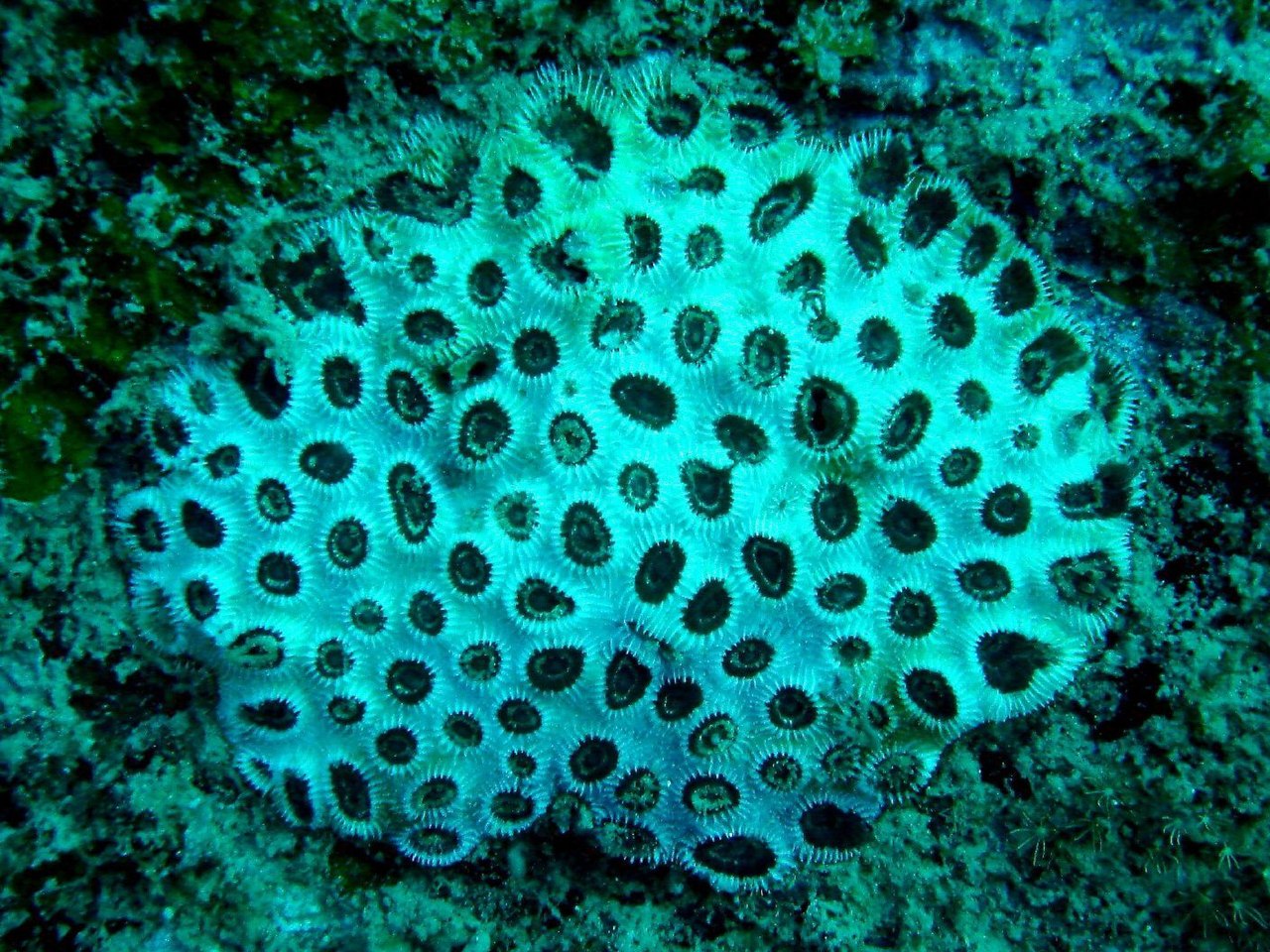




Formation and distribution
Coral reefs develop where conditions favor the reef-building corals: warm, clear, shallow waters within roughly 30 degrees north and south of the equator. These tropical marine areas provide sunlight needed by the microscopic, photosynthetic algae that live inside many corals and support their energy needs. Reefs grow slowly, often only a few millimeters to centimeters per year, and their shapes depend on local sea level, waves and geology.
Ecology and importance
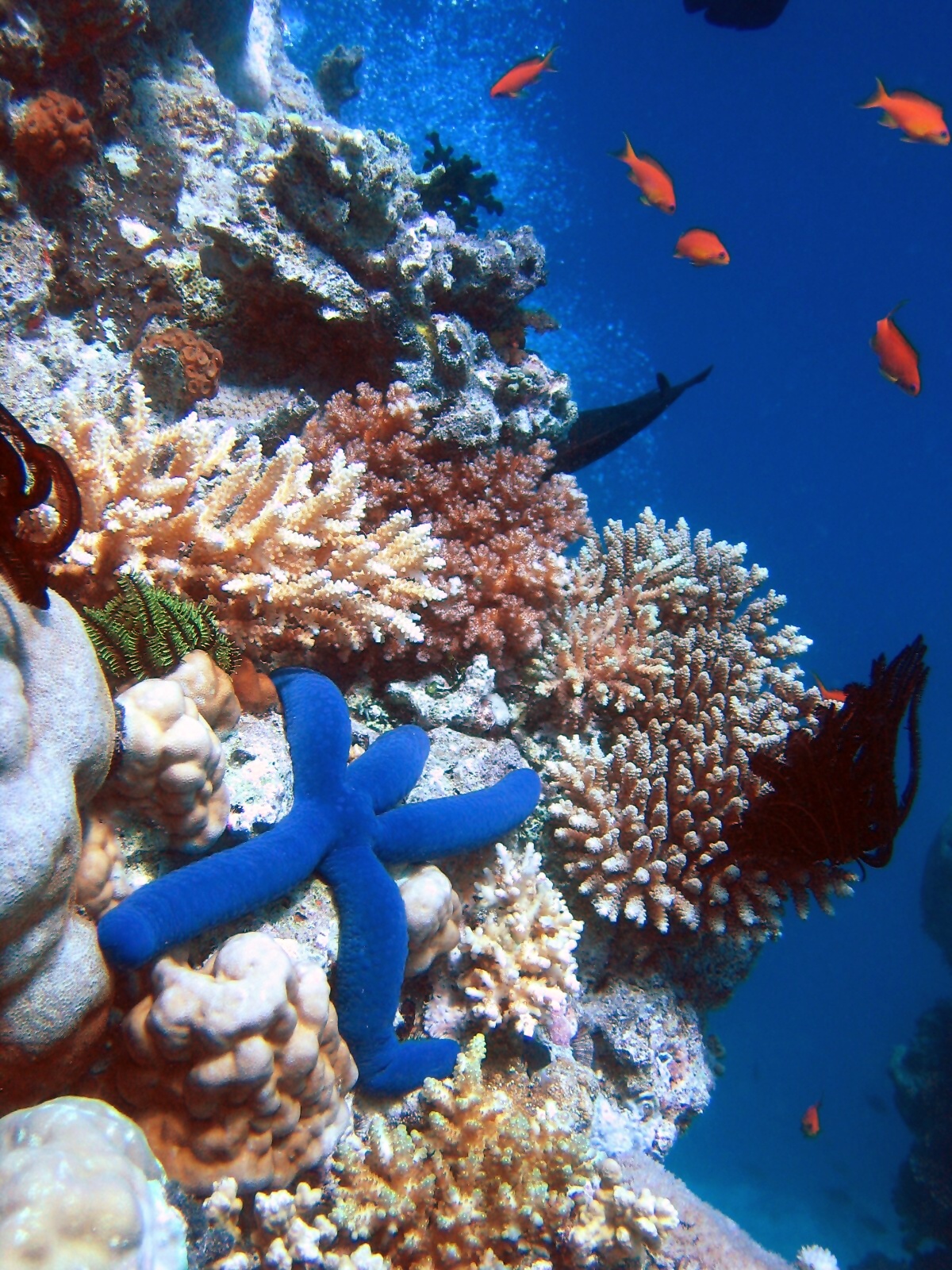
Reefs are among the most biologically diverse marine ecosystems. They shelter countless species including many colorful tropical fish, mollusks, crustaceans, sea turtles and marine mammals. This diversity supports fisheries, protects coastlines from erosion, and underpins cultural and recreational activities such as snorkeling and diving. Scientists and conservationists often describe reefs as natural infrastructure that delivers ecosystem services valuable to people.
Types and notable examples
- Fringing reefs—directly border shorelines and are common around islands.
- Barrier reefs—separated from land by a lagoon; the Great Barrier Reef is the largest example (Great Barrier Reef).
- Atolls—ring-shaped reefs encircling a central lagoon, often formed on subsiding islands.
Examples include reefs at Pulau Tioman (Pulau Tioman) and the famous systems off Australia. Many reefs also support local tourism and economies.
Threats and conservation
Coral reefs face growing threats from ocean warming and acidification, which can cause widespread bleaching and reduce calcification. Local pressures such as pollution, sedimentation, destructive fishing and coastal development further stress reef communities. Conservation responses combine marine protected areas, restoration efforts, sustainable fisheries management and measures to reduce greenhouse gas emissions.
Distinctive facts
Reefs are built from both living corals and the accumulated dead skeletons of previous generations; their visible colors result largely from the living tissues and associated algae. Although they occupy a small fraction of the ocean floor, coral reefs support disproportionate biodiversity and provide critical benefits to coastal populations. For more specialized topics—biology of polyps, coral diseases, restoration techniques and regional lists—see dedicated resources and research portals (coral basics, phylum overview, polyp biology, skeletal chemistry, carbonate processes).
Research and stewardship continue to evolve as scientists, local communities and governments work to understand reef dynamics and to safeguard these ecosystems for future generations.
Questions and answers
Q: What is a coral reef?
A: A coral reef is a large structure made of dead and living corals.
Q: What kind of corals are predominant in most healthy reefs?
A: Stony corals are predominant in most healthy reefs.
Q: How are the coral reefs built?
A: Coral reefs are built from colonial polyps from the phylum Cnidaria which secrete an exoskeleton of calcium carbonate.
Q: Where are coral reefs formed?
A: Coral reefs are formed in tropical marine areas between 30 degrees north and south of the equator and between the tropics.
Q: What is the significance of coral reefs?
A: Coral reefs act as the home of many tropical fish and other animals and are a major tourism attraction because of their beauty and color.
Q: What is a famous example of a coral reef?
A: The Great Barrier Reef off the east coast of Australia is a famous example of a coral reef.
Q: What activities do people engage in when experiencing coral reefs?
A: People look at coral reefs while snorkeling and diving.
Related articles
Author
AlegsaOnline.com Coral reef — structure, ecology, and conservation Leandro Alegsa
URL: https://en.alegsaonline.com/art/23013
Sources
- oceanservice.noaa.gov : Animation of coral atoll formation
- eoearth.org : Coral reef
- darwin-online.org.uk : The structure and distribution of coral reefs. Being the first part of the geology of the voyage of the Beagle, under the command of Capt. Fitzroy, R.N. during the years 1832 to 1836
- law.duke.edu : Saving rainforests of the sea: An analysis of international efforts to conserve coral reefs
- photography.nationalgeographic.com : Fluorescent coral