
Lahaul and Spiti district
High-altitude district in northern India combining the Lahaul and Spiti valleys; noted for rugged mountains, Tibetan Buddhist culture in Spiti, cold-desert climate, remote monasteries and seasonal roads.
Overview
Lahaul and Spiti is a high‑altitude district in northern India, forming part of the state of Himachal Pradesh. It combines two historically distinct valleys—Lahaul and Spiti—into a single administrative unit. The area is sparsely populated, shaped by glaciers, steep river valleys and wide altiplanos. Two principal towns, Keylong in Lahaul and Kaza in Spiti, serve as local administrative and market centres.
Image gallery
10 Images




Geography and climate
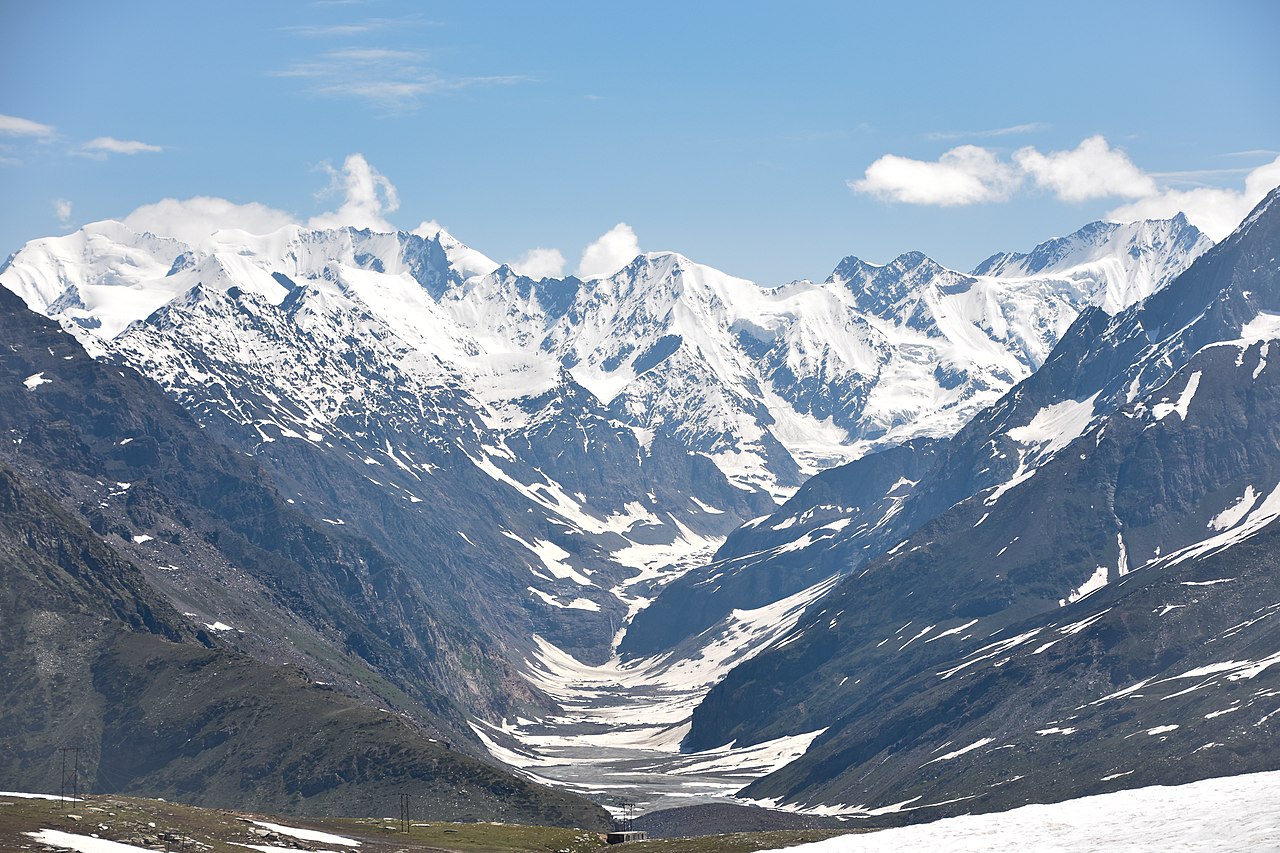
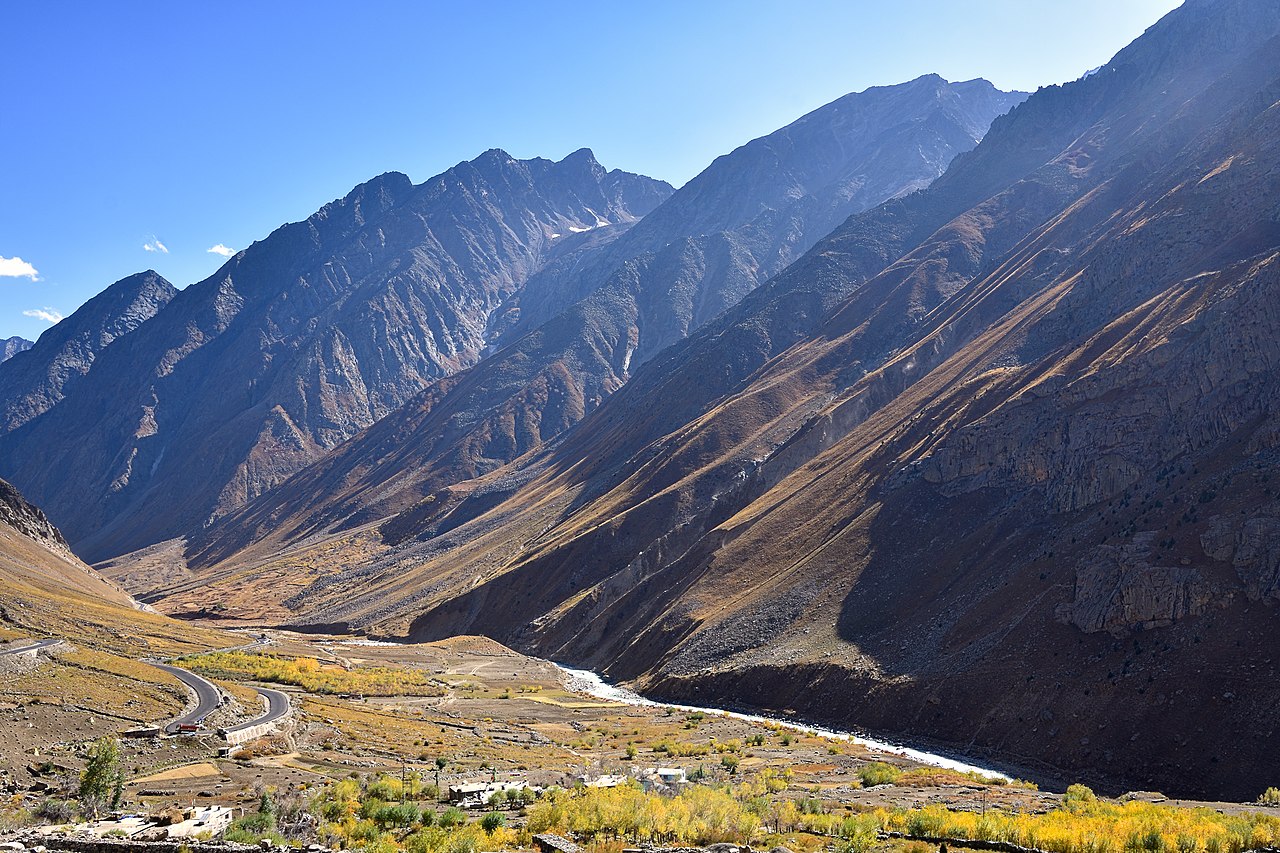
The district lies among some of the higher ranges of the western Himalaya and is characterized by stark rock, scree slopes and limited vegetation. Much of Spiti is a cold high‑altitude desert with intense seasonal variation: long, cold winters with heavy snow at passes, and short, sunny summers. Rivers that drain the region—such as tributaries of the Chenab and the Sutlej—carve deep gorges and provide the main corridors for roads and villages.
History, culture and settlements
Historically Lahaul and Spiti maintained different cultural identities. Spiti has strong Tibetan Buddhist traditions and is known for ancient monasteries and gompas that preserve art, manuscripts and ritual life. Lahaul blends Himalayan Hindu and Buddhist influences and has its own distinct village customs. Monasteries and village temples remain focal points for community festivals and seasonal migrations of pastoralists.
Notable sites and routes
- Monasteries: prominent centres include Tabo, Ki (Kye), Dhankar and others that attract pilgrims and researchers.
- Mountain passes and roads: Rohtang and Kunzum passes have long been vital links; modern tunnels and road works have improved year‑round access, reducing the region's historic isolation.
Economy, tourism and importance
Traditional livelihoods include subsistence farming (barley, peas), pastoralism and small‑scale trade. In recent decades tourism—trekking, cultural visits, and high‑altitude driving—has become a significant income source, while conservation concerns and fragile infrastructure shape development policy. The area is also of strategic importance given its border proximity and mountain passes.
For administrative and visitor information consult the district pages and regional guides: district resources.
Related articles
Author
AlegsaOnline.com Lahaul and Spiti district Leandro Alegsa
URL: https://en.alegsaonline.com/art/55411