
Laguna (province)
Laguna is a landlocked province south of Manila in the Philippines, noted for Laguna de Bay, hot springs, agricultural and industrial centers, historic sites, and educational institutions.
Laguna is a landlocked province in the Philippines located roughly 30 kilometres south of Manila. Its name comes from the Spanish phrase La Laguna — "the lake" — a reference to Laguna de Bay, the largest lake in the country that frames the province to the north. Laguna combines urbanizing cities, agricultural plains and volcanic highlands, making it a region of mixed landscapes and economic roles.
Image gallery
10 Images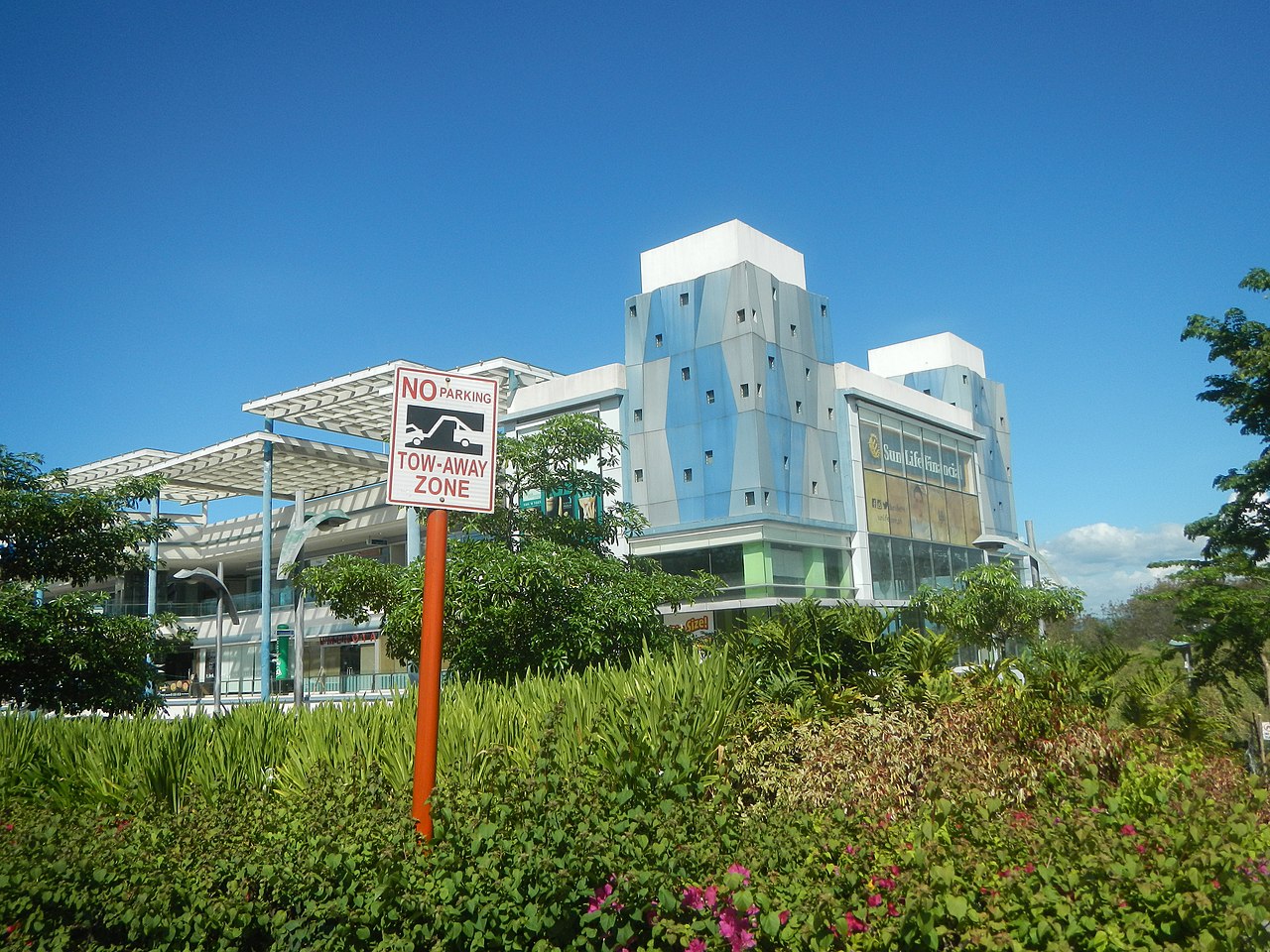


Geography and environment
Laguna sits at the northwest edge of the Calabarzon region and shares boundaries with Metro Manila and the provinces of Rizal, Cavite, Batangas and Quezon. The shoreline of Laguna de Bay defines much of its northern border. Southward the land rises toward volcanic peaks such as Mount Makiling, while numerous rivers and hot springs are found across the province. Its tropical climate and freshwater resources support rice paddies, coconut groves and aquaculture in and around the lake.
Administration, cities and communities
The provincial capital is Santa Cruz. Laguna is divided into six cities and twenty-four municipalities. The six cities are Biñan, Cabuyao, Calamba, San Pablo, San Pedro and Santa Rosa. These urban centers vary from industrial and commercial hubs to smaller cities with cultural and recreational attractions.
Economy, education and tourism
Laguna's economy blends agriculture, aquaculture and manufacturing. Industrial parks and light manufacturing clusters have developed around major transport corridors, while the lakeshore supports fishing and fish farming. Laguna is also known for educational and research institutions: the University of the Philippines Los Baños is a prominent research university located in the province. International and private schools serve growing suburban populations — for example, two IB World Schools in Biñan are notable international options: Brent International School Manila and The Beacon Academy (IB World Schools).
History, culture and notable sites
Laguna has several sites of historical and cultural importance. Calamba is the birthplace of national hero José Rizal, and the area preserves shrines and ancestral homes related to the Philippine colonial period. Natural attractions such as Pagsanjan Falls, the hot springs of Los Baños and scenic mountain trails draw visitors, while local festivals and crafts reflect the province's mixed agricultural and urban traditions.
Practical notes and distinctions
- Laguna de Bay is the defining geographic feature and a key resource for fisheries and irrigation.
- Cities such as Santa Rosa and Calamba have become important industrial and commercial centers within southern Luzon.
- Educational and research institutions in the province contribute to agriculture, biotechnology and environmental studies.
Overall, Laguna is a province where natural landscapes, historical significance and modern industry coexist, making it an important part of the greater Manila region's economy and cultural life.
Related articles
Author
AlegsaOnline.com Laguna (province) Leandro Alegsa
URL: https://en.alegsaonline.com/art/55408
Sources
- islandsproperties.com : "About Laguna province, Philippines"
- brent.edu.ph : Brent International School Manila
- beaconacademy.ph : The Beacon Academy