
Lagos State, Nigeria — overview, geography, history, economy and culture
Lagos State is Nigeria's coastal, populous economic hub. Centered on the megacity of Lagos with capital Ikeja, it is a major port, financial and cultural centre in West Africa.
Overview
Lagos State lies in southwestern Nigeria and contains the country's largest urban area and principal commercial centre. The state combines dense metropolitan districts with coastal lagoons and reclaimed land. The administrative capital is Ikeja, while the conurbation of Lagos — formerly the national capital — remains the state's dominant economic and cultural core. For a general reference see Lagos State.
Image gallery
10 Images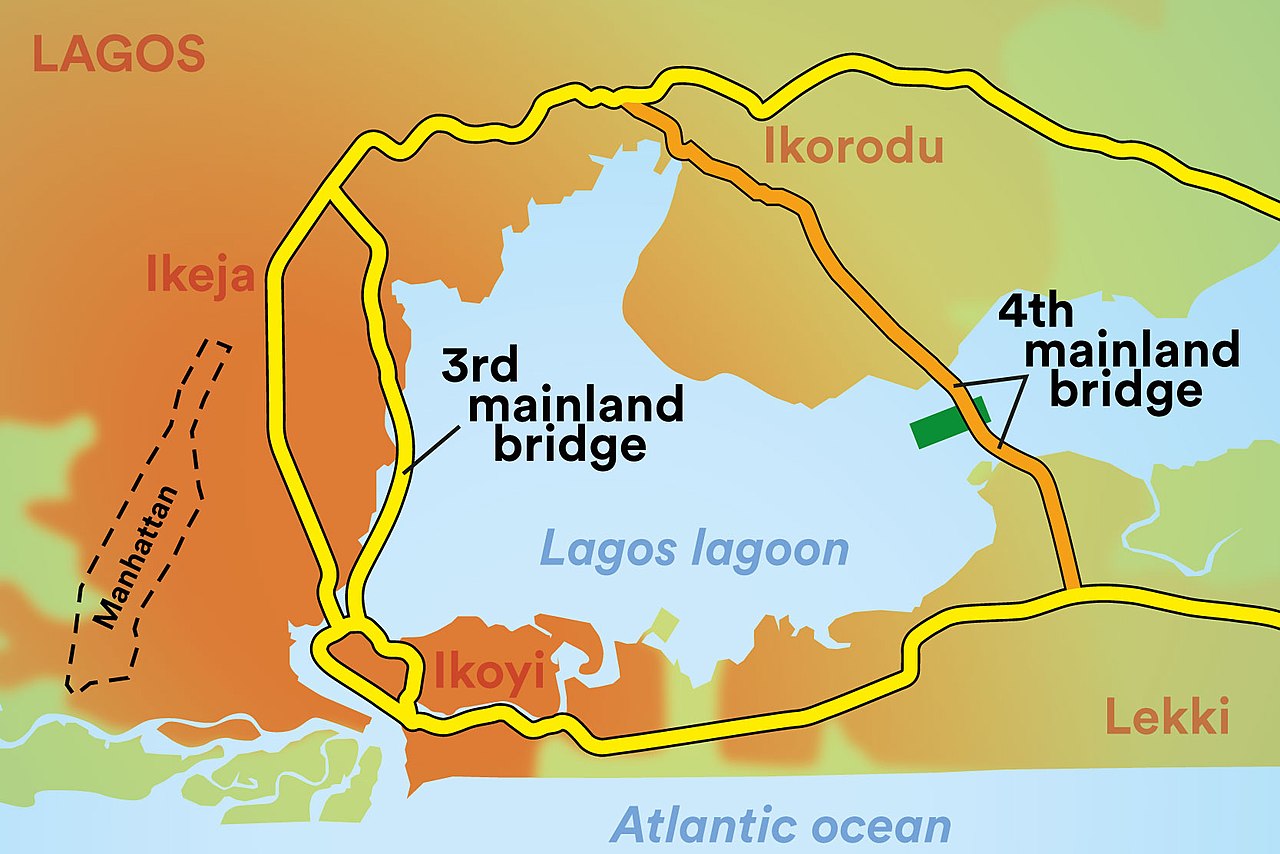




Geography and divisions
Lagos State fronts the Gulf of Guinea and includes a complex of islands, tidal flats and the Lagos Lagoon. It is commonly divided into island and mainland zones, and administratively into multiple local government areas. Notable districts and development areas include:
- Victoria Island and Lekki — modern commercial and residential districts
- Lagos Island — historic centre and business district
- Apapa and Tin Can — seaport and industrial corridors
- Ikeja — state government offices and airport precinct
History
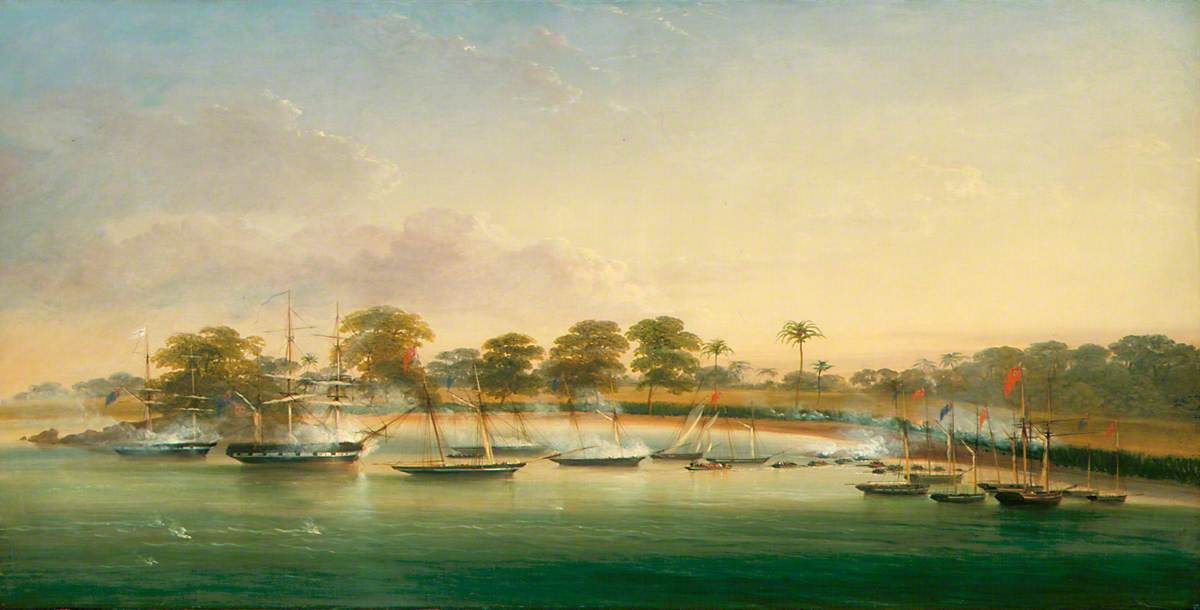
The area of present-day Lagos State has long been inhabited by Yoruba-speaking peoples and grew through trade with European visitors from the 15th century onward. Lagos city became an important port under British colonial rule. The contemporary state was established in the post-independence reorganisation of Nigeria and has since evolved rapidly into a dense metropolitan region.
Economy and culture
Lagos is Nigeria's principal commercial hub: its ports handle large volumes of maritime trade, its financial district hosts banks and corporate headquarters, and its creative industries — notably film, music and fashion — exert regional influence. The state also contains manufacturing, logistics and aviation assets that serve domestic and West African markets.
Challenges and development
Rapid population growth and urbanisation have produced infrastructure pressures: traffic congestion, housing demand and vulnerabilities to coastal flooding. Authorities and private developers have pursued projects in transport, land reclamation and urban renewal to expand capacity and resilience.
Significance
Lagos State is a key node in Nigeria's economy and cultural life. It attracts migrants, investment and visitors from across Africa, and its media, arts and commercial activities shape trends nationally and regionally. The state's mix of historic districts, modern business centres and coastal geography makes it a complex and influential part of West Africa.
Related articles
Author
AlegsaOnline.com Lagos State, Nigeria — overview, geography, history, economy and culture Leandro Alegsa
URL: https://en.alegsaonline.com/art/55394
Sources
- books.google.com : The evolution and development of Lagos State
- books.google.com : Lagos State: The Cornerstone of Nigeria's Economic Development : a Study of Its Growth and Comparative Contribution to the Economy of Nigeria
- books.google.com : The Yoruba Today
- books.google.com : Lagos State Local Governments