
Lagos Lagoon — geography, ecology and human uses
Lagos Lagoon is a large coastal lagoon in southwestern Nigeria adjacent to the city of Lagos. It supports fisheries, transport and wetlands but faces urban pollution, salinity change and habitat loss.
Overview
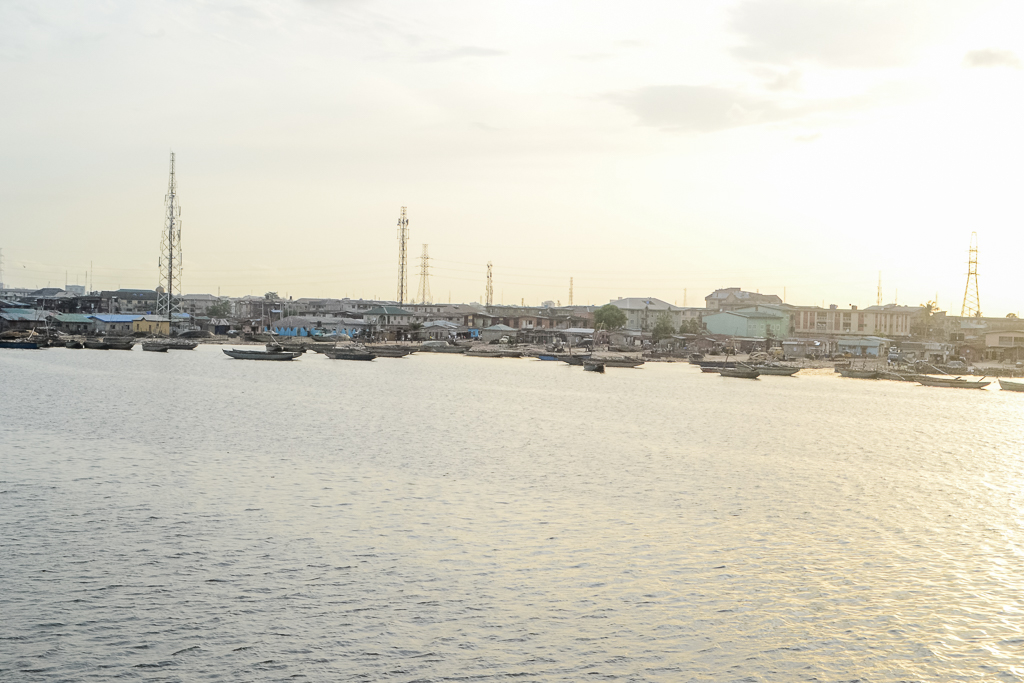
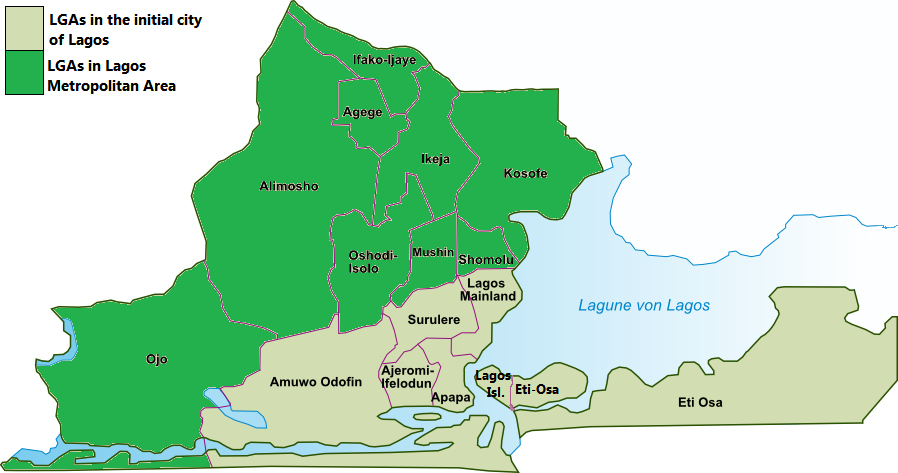
Lagos Lagoon is a broad, shallow body of brackish water on the Gulf of Guinea coast of West Africa. It lies alongside the densely populated metropolis of Lagos, in Nigeria, and is separated from the open Atlantic by a chain of barrier islands and peninsulas. The lagoon forms an extensive system of waterways, creeks and inlets that link the urban shoreline with smaller coastal settlements.
Image gallery
8 Images




Physical characteristics
The lagoon is characterized by shallow depths, a mix of fresh and marine inflows and a shoreline that alternates between wetlands, mangroves and built-up areas. It receives freshwater from local rivers and runoff and communicates with the ocean through channels that influence its salinity and tides. Sediment deposition and seasonal variations affect water clarity and depth, with channels periodically dredged to maintain navigation.
Human uses and ecological importance
Communities around the lagoon depend on it for fishing, small-scale aquaculture, transport and commerce. Portions of the lagoon near central Lagos contain ports, ferry terminals and waterfront industry, while other stretches support mangrove forests and bird habitat. The mix of urban and natural values makes the lagoon important for both livelihoods and biodiversity.
Issues and management
Rapid urban growth, industrial discharge, sewage and oil-related pollution have placed substantial pressure on water quality and coastal habitats. Land reclamation and construction along the shore have reduced wetland extent and altered hydrology. Authorities and local organizations have pursued measures such as pollution control, dredging, wetland protection and planning to reduce flooding and restore ecological function.
Notable facts and distinctions
- The lagoon forms the maritime backdrop to Nigeria's largest city and supports busy inland waterways.
- Its brackish waters bridge freshwater landward systems and the marine environment, creating productive estuarine conditions.
- Conservation efforts focus on mangrove preservation, sustainable fisheries and mitigating urban runoff.
For more general geographic or historical context, consult regional resources and studies that document coastal Lagos's development and the lagoon's evolving role in the city's economy and environment. Practical information on navigation, conservation programs and local fisheries can be found via official and academic sources linked to the lagoon's management.
Related articles
Author
AlegsaOnline.com Lagos Lagoon — geography, ecology and human uses Leandro Alegsa
URL: https://en.alegsaonline.com/art/55391