
Shingle beach (pebble beach): characteristics, formation and examples
Shingle beaches are coastal shores made of pebbles rather than sand. This article describes their composition, formation, distribution, ecological roles, coastal management relevance and notable examples worldwide.
A shingle beach, often called a pebble beach, is a coastal shoreline dominated by loose, rounded stones rather than fine sand. A typical pebble size range runs from small gravel to cobbles, and the resulting surface responds and moves differently under wave action than sandy beaches. The term shingle beach is used in coastal science and common usage, while the pebbles themselves are generically referenced as pebbles.
Image gallery
7 Images


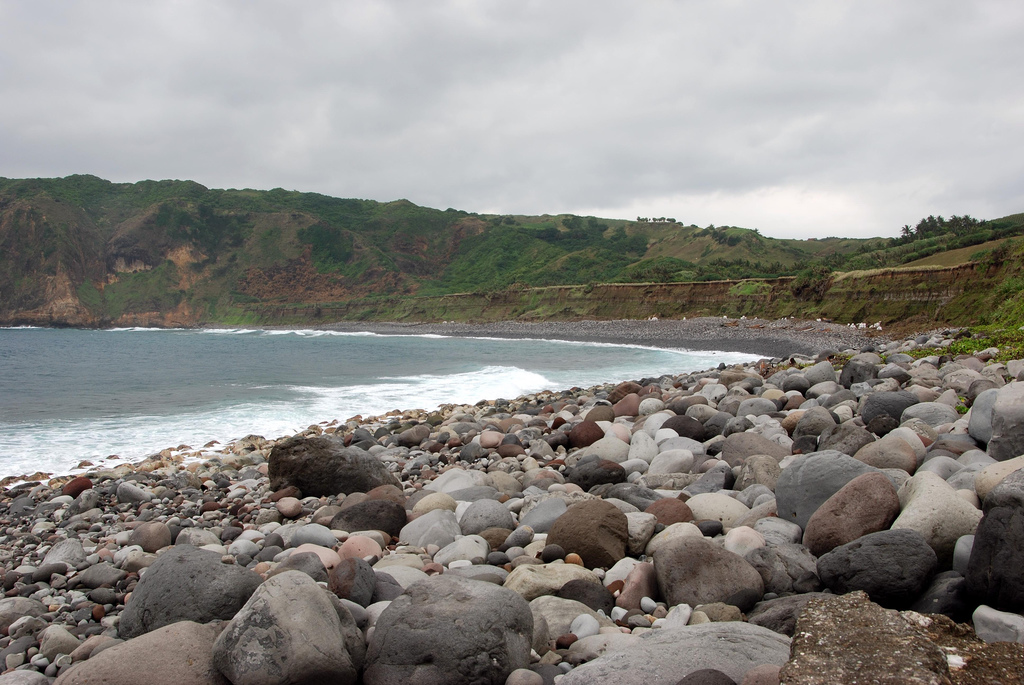


Physical characteristics and behaviour
Shingle beaches resist wave attack in ways that sandy shores do not. The open voids between stones allow water to percolate, dissipating energy and reducing longshore transport of material. This makes some shingle ridges effective natural barriers against erosion and flooding. Key characteristics include:
- Variable particle size and sorting;
- High permeability and rapid drainage;
- Ability to absorb and refract wave energy, lessening erosion locally;
- Dynamic movement during storms, with pebbles shifting and regrading the beach profile.
In coastal morphology terms a shingle feature is a distinct landform with specific sedimentary and hydraulic behaviour. They commonly form steeply sloping profiles in contrast to low-gradient sandy beaches.
Formation and geological sources
Shingle beaches arise where abundant coarse material is supplied and waves are energetic enough to winnow away finer sediments. In some regions the pebbles derive from resistant beds within eroding cliffs: for example, in parts of Western Europe flint pebbles are left behind after softer chalk cliffs wear away, because the flint nodules survive as discrete stones. Over time wave sorting produces well-rounded, sorted shingle mixtures.
Shingle deposits can be part of larger coastal systems such as barrier beaches, tombolos and offshore banks. Chesil Bank in England is a classic, long shingle ridge formed by longshore transport and storm deposition. Similar processes produce mixed sand-and-pebble beaches in many settings.
Distribution and examples
Shingle and pebble beaches occur worldwide where conditions favour coarse sediment accumulation. Examples include coastal banks and shores in Bahrain, parts of North America, and on the east coast of New Zealand’s South Island, where braided rivers supply mixed shingle and sand to the coast in some estuaries and fans (braided rivers often deliver coarse load).
Shingle beaches are important for coastal protection, habitat diversity and cultural value. Their steep profiles and permeability make them useful in natural flood defence schemes, though they are dynamic and require different management approaches than sandy coasts. Ecologically, they support specialized plants and invertebrates adapted to well-drained, unstable substrates. For coastal planners and anyone studying shorelines, recognizing the difference between shingle and sand systems is essential for sustainable management and conservation.
Related articles
Author
AlegsaOnline.com Shingle beach (pebble beach): characteristics, formation and examples Leandro Alegsa
URL: https://en.alegsaonline.com/art/89810