
Ariège (department, Occitanie, France)
Ariège is a sparsely populated department in southern France's Occitanie region, named for the Ariège river and known for Pyrenean mountains, prehistoric caves, medieval sites and outdoor tourism.
Ariège is a department in southern France, formed during the French Revolution and named after the Ariège river that drains the area. In local languages it is also known as Arieja in Catalan and Arièja in Occitan. Administratively it belongs to the region of Occitanie and is officially one of metropolitan France's territorial departments (department). Its prefecture and historic centre is Foix, while the largest town by population is Pamiers; the department's seat and local government are often referred to simply as the capital.
Image gallery
10 Images




Geography and natural features
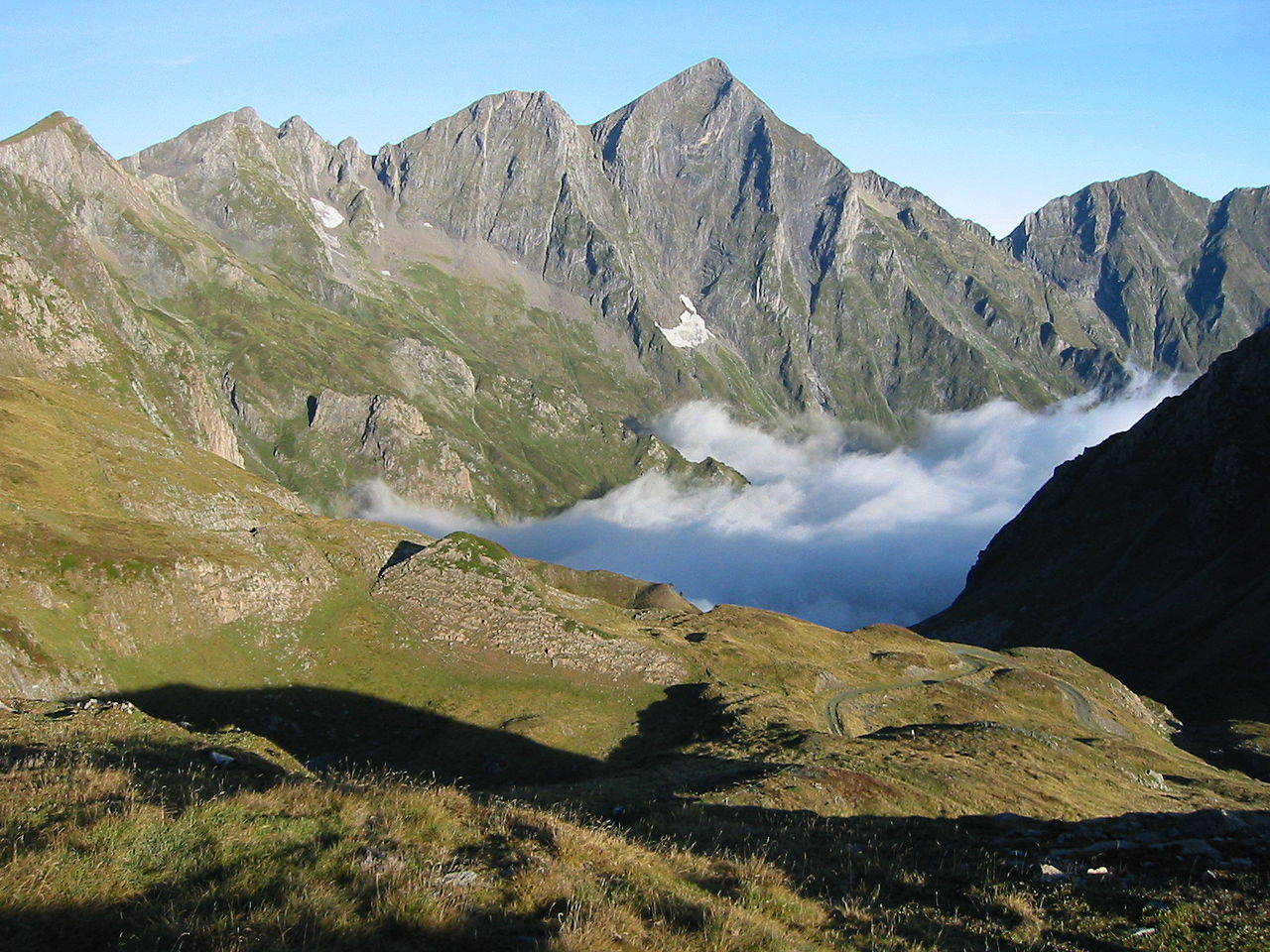
Ariège occupies a largely mountainous and hilly landscape on the northern slopes of the Pyrenees. High valleys, forested ridges and alpine pastures dominate the south; lower plains and rolling farmland appear toward the north. The Ariège river and its tributaries carve glacial valleys that support villages, roads and small hydroelectric schemes. Parts of the department are protected within regional natural parks and nature reserves, making it notable for biodiversity and outdoor recreation such as hiking, climbing and winter sports.
History and cultural highlights
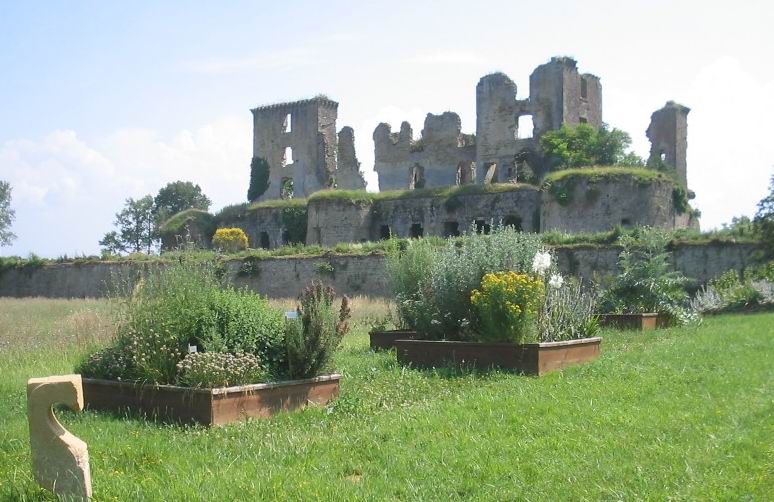
The territory has a long human presence: famous prehistoric caves with Palaeolithic paintings and engravings attract specialists and visitors. In the medieval period the area was shaped by feudal lords and the Cathar movement, leaving hilltop castles and fortified towns. Foix preserves a medieval castle above its old quarter, and many small communes retain Occitan linguistic and cultural traces.
Administration, towns and economy
Ariège is divided into local administrative units centred on towns such as Foix, Pamiers and smaller seats that govern rural communes. The economy mixes agriculture, forestry, small-scale industry, tourism and services. Low population density and an aging demographic are recurrent challenges; at the same time the department's natural assets underpin a tourism industry focused on nature, history and outdoor sports.
Attractions and why it matters
- Prehistoric cave sites and archaeological heritage
- Cathar castles, medieval towns and Foix castle
- Pyrenean landscapes for hiking, skiing and wildlife observation
- Traditional rural culture and Occitan linguistic heritage
Ariège is often appreciated for its combination of wild mountain scenery and pockets of rich human history. For readers seeking more detailed administrative, tourist or historical information, consult regional resources and local guides that focus on the region and the department's principal towns such as Foix and Pamiers.
Questions and answers
Q: What is the name of the region in which Ariège is located?
A: Ariège is located in the region of Occitanie in southern France.
Q: What is the capital city of Ariège?
A: The capital city of Ariège is Foix.
Q: What language do people speak in Ariège?
A: People in Ariège speak Catalan and Occitan.
Q: What river flows through the department?
A: The Ariège river flows through the department.
Q: Which city has the largest population in Ariège?
A: Pamiers has the largest population in Ariège.
Q: How many departments are there in Occitanie?
A: There are 12 departments in Occitanie.
Related articles
Author
AlegsaOnline.com Ariège (department, Occitanie, France) Leandro Alegsa
URL: https://en.alegsaonline.com/art/5536
Sources
- ariege.fr : "Le Président du Conseil Départemental"
- insee.fr : "Département de l'Ariège (09) - Résumé statistique"
- insee.fr : "Populations légales 2014 des départements et des collectivités d'outre-mer"
- splaf.free.fr : "Description de l'Ariège"
- explora.cat : "Pica d'Estats"
- insee.fr : "Département de l'Ariège (09)"
- insee.fr : "Régions, départements, arrondissements, cantons et communes"
- insee.fr : "Département de l'Ariège (09) et Arrondissements"
- legifrance.gouv.fr : "Décret n° 2014-174 du 18 février 2014 portant délimitation des cantons dans le département de l'Ariège"
- habitants.fr : "Habitants du départment: Ariège"
- terres-ariege.fr : "Le département de l'Ariège : population, emploi et surfaces"
- terres-ariege.fr : "L'Agriculture ariégeose"