
Ariège (river)
A river in southern France, the Ariège flows north from the Pyrenees for about 163 km and joins the Garonne. It gives its name to the Ariège department and is important for ecology, recreation and local history.
The Ariège is a river in southern France and an important watercourse of the central Pyrenean region. In Catalan it is known as Arieja and in Occitan as Arièja. As a river it runs through varied mountain and lowland landscapes before becoming a right tributary of the Garonne. It lies within France and lends its name to local administration and culture.
Image gallery
6 Images


Course and physical features
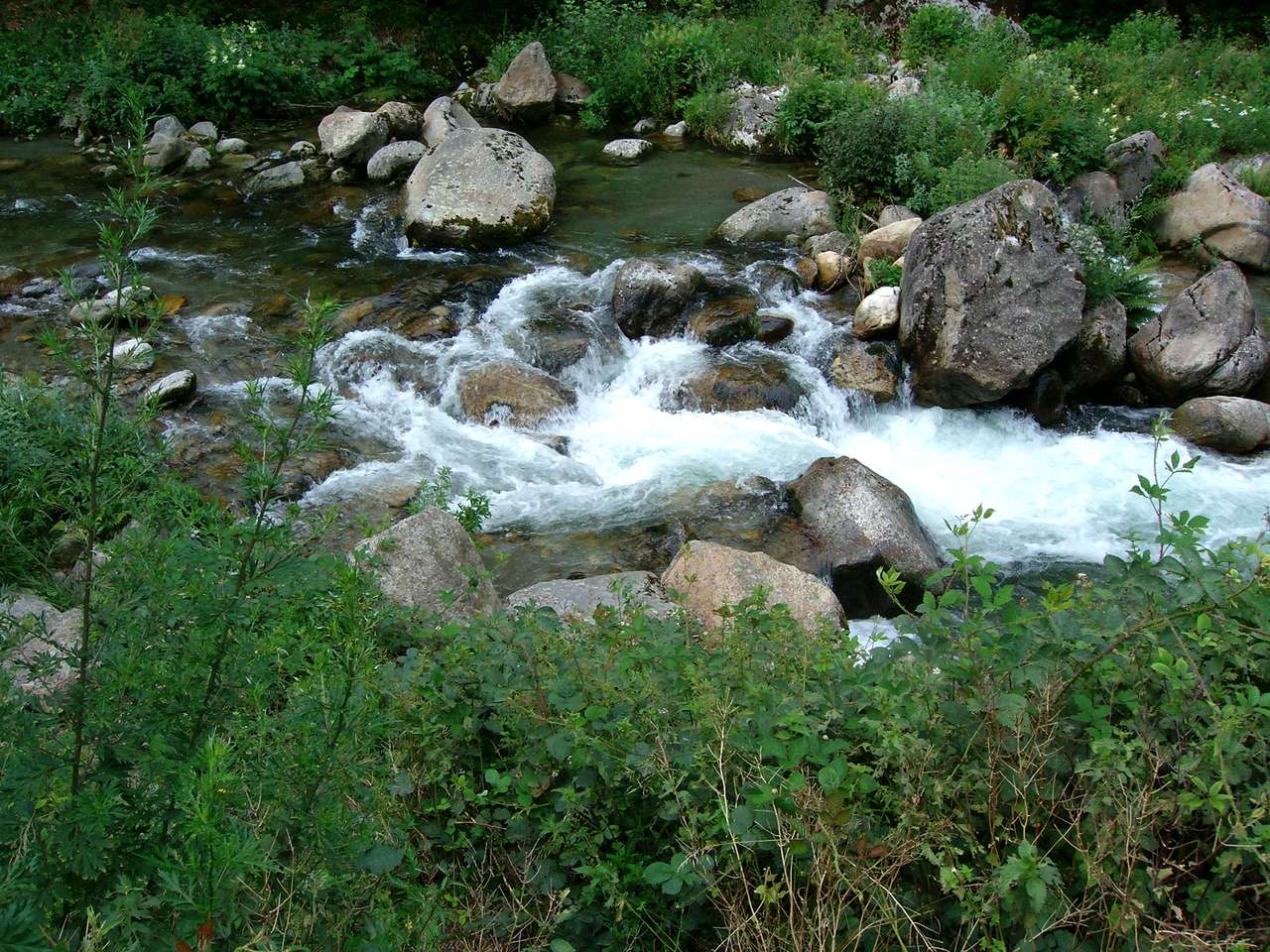
The Ariège rises in the central Pyrenees and generally flows northward. Over its roughly 163-kilometre length it descends from steep, confined mountain valleys into broader plains. In its upper reaches the channel is often fast and rocky, while downstream it becomes wider with gentler banks. The river picks up numerous smaller mountain streams and tributaries along its course and shows seasonal variation typical of rivers fed by snowmelt and rainfall.
Major settlements along the valley include historic market towns and small cities that developed where routes crossed the river. The valley floor has long been a corridor for local travel and agriculture, and the river itself has shaped floodplains and terraces used for crops and pastures.
Uses, ecology and recreation
The Ariège supports a range of aquatic and riparian habitats, with fish such as trout in cooler upland sections and more tolerant species downstream. Its flow and morphology make it a destination for outdoor activities: canoeing, kayaking and rafting are popular on suitable stretches, while lower-gradient parts attract anglers and walkers. Hydropower installations and small-scale waterworks exist in places, reflecting a balance between harnessing resources and conserving natural character.
Human presence along the river goes back to prehistoric times in the broader region, and the valley contains archaeological and cultural sites that testify to long-term settlement and seasonal use. The river has influenced local architecture, mills and transport patterns.
Administratively the watercourse has given its name to the department: Ariège department. For more detailed maps, hydrological data and conservation information consult regional resources and guides that cover river corridors of the Pyrenees and the Garonne basin.
- Typical activities: whitewater sports, fishing, riverside hiking
- Landscape: Pyrenean source, valley corridor, lowland confluence
- Significance: ecological habitat, historical transport route, administrative name-giver
Questions and answers
Q: What is the Ariège department named after?
A: The Ariège department is named after the Ariège river.
Q: Where is the Ariège river located?
A: The Ariège river is located in the south of France.
Q: How long is the Ariège river?
A: The Ariège river is 163 kilometres (101 miles) long.
Q: What language is the Ariège river called in Catalan?
A: The Ariège river is called "Arieja" in Catalan.
Q: What language is the Ariège river called in Occitan?
A: The Ariège river is called "Arièja" in Occitan.
Q: Is the Ariège river a left or right tributary of the Garonne?
A: The Ariège river is a right tributary of the Garonne.
Q: What is a tributary?
A: A tributary is a river or stream that flows into a larger river or lake.
Related articles
Author
AlegsaOnline.com Ariège (river) Leandro Alegsa
URL: https://en.alegsaonline.com/art/5537
Sources
- services.sandre.eaufrance.fr : "Fiche cours d'eau - L'Ariège (O1--0250)"
- hydro.eaufrance.fr : "L'Ariège à Pinsaguel [Lacroix-Falgarde]"
- geoportail.gouv.fr : "Source de l'Ariège"
- geoportail.gouv.fr : "Confluence de l'Ariège"
- ariege.over-blog.fr : "La rivière Ariège"