
Western Asia: geography, history, and significance
Western Asia (often called Southwest Asia) is the region that overlaps with the Middle East; this article describes its geography, historical development, peoples, and contemporary importance.
Overview
Western Asia, commonly referred to as Southwest Asia, is the part of the Asian continent that lies at the junction of Africa, Europe and Asia. Its commonly documented core corresponds to what is also known as the Middle East, a region that has served as a crossroads for trade, migration and cultural exchange for millennia. Definitions vary by discipline, and some boundaries are political or cultural rather than strictly geographic.
Image gallery
10 Images





Geography and major subregions
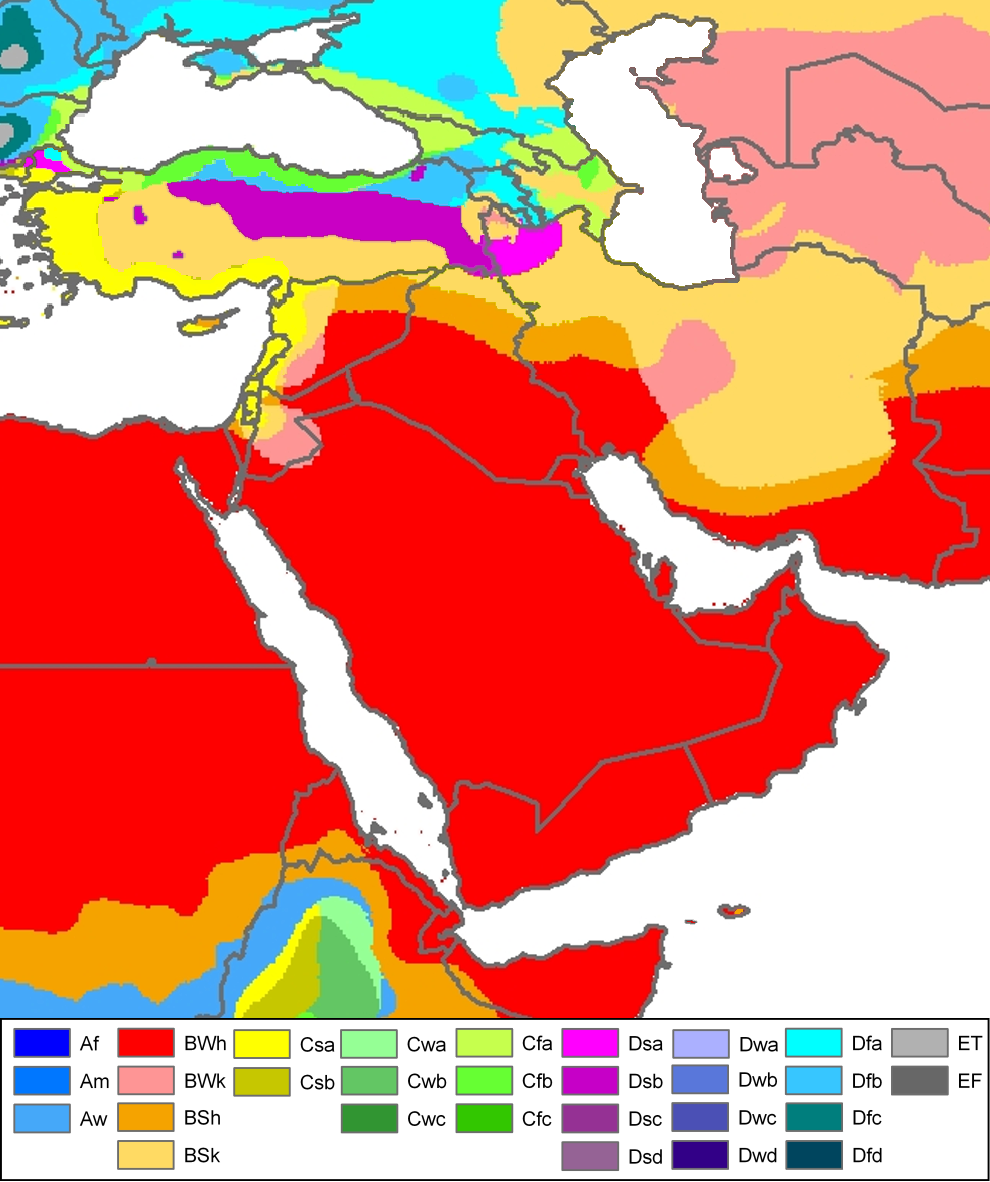
The region contains a variety of landscapes: arid deserts, mountain ranges, river valleys and coastal plains. Key subregions include the Arabian Peninsula, the Levant, Anatolia, the Iranian Plateau and the Mesopotamian plain. Major rivers such as the Tigris and Euphrates supported early agriculture and urban life. Modern states in this area range widely in size, climate and natural resources.
History and development
Western Asia is the site of some of the world's earliest civilizations and writing systems. Ancient city-states, empires and trade networks emerged here, shaping religions, languages and technologies that spread beyond the region. Over centuries it experienced imperial rule, trade-driven cosmopolitanism and, in the modern era, colonial influence and nation-state formation.
Economy, culture and importance
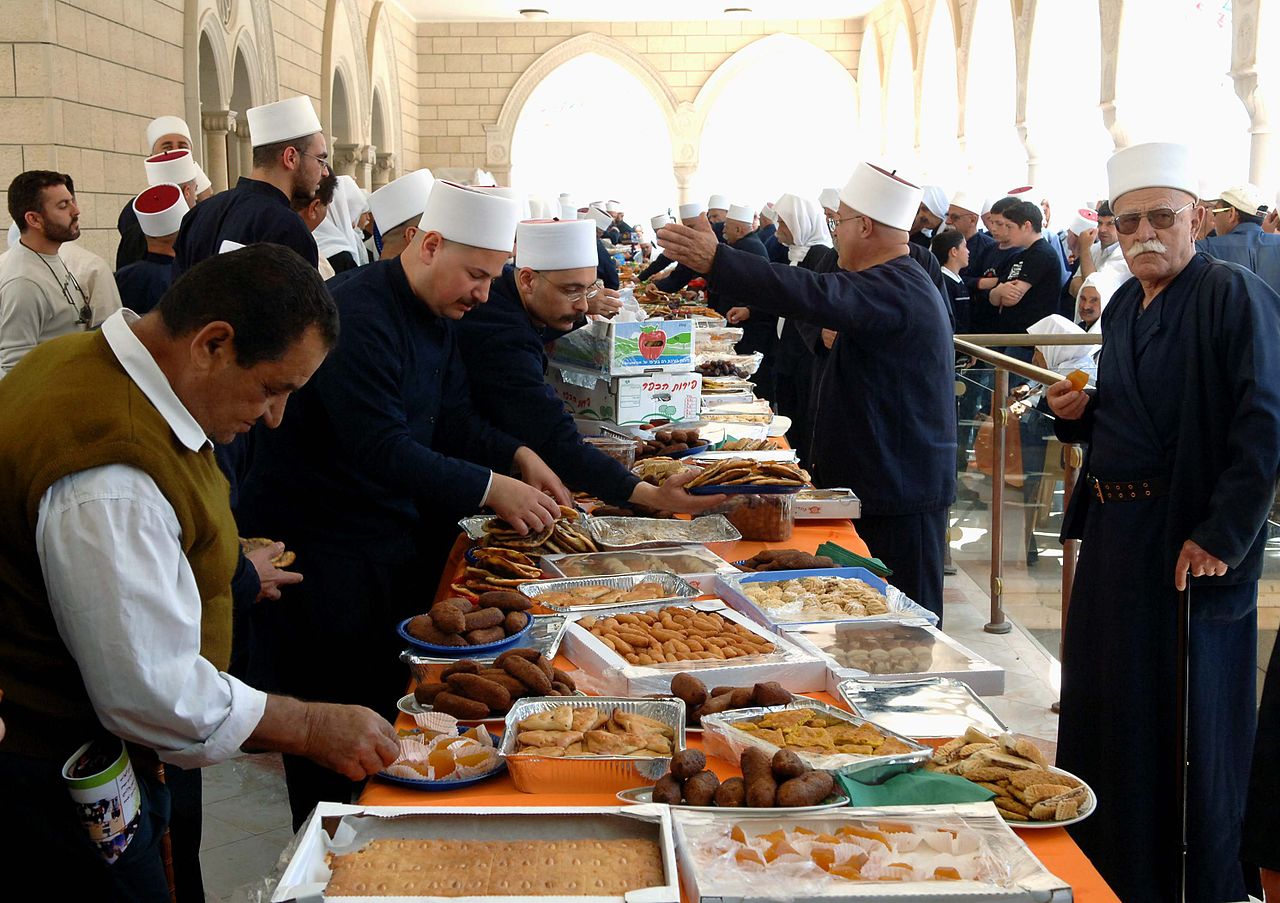
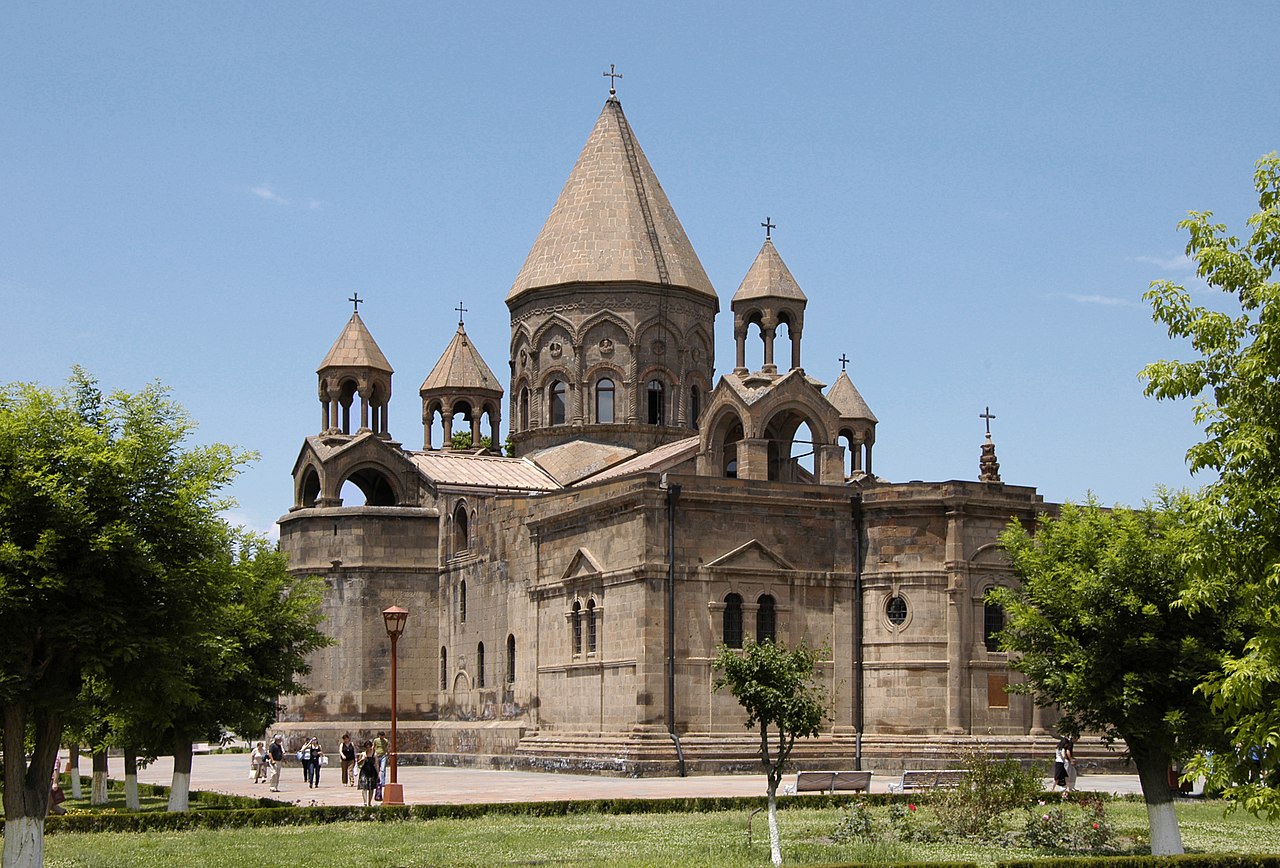
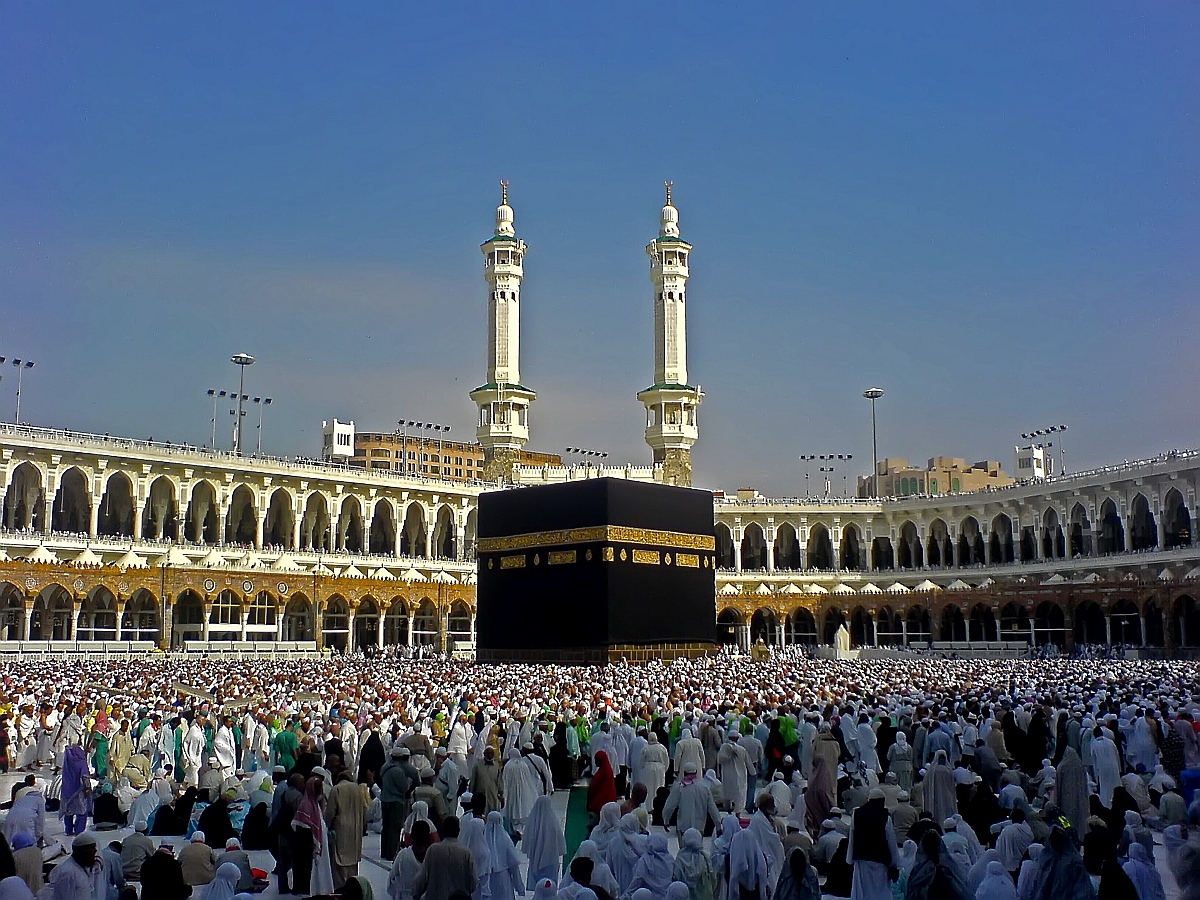
The region's contemporary importance is linked to strategic geography, energy resources and cultural heritage. Economies vary from oil-producing states to more diversified economies based on services, agriculture and industry. Cities in the region host religious sites, universities and cultural institutions important to global history and contemporary arts.
Distinctions and terminology
Terminology can be inconsistent: some references use "Western Asia," others prefer "Southwest Asia" or the political term Middle East. For maps and comparative studies one may consult broader regional frameworks such as Eurasia or Afro-Eurasia; introductory geographic resources are available at regional references.
- Crossroads position between continents
- Home to diverse languages and religions
- Varied climates from Mediterranean to desert
- Central role in historical trade routes and modern geopolitics
Because borders and concepts change with scholarship and politics, descriptions of Western Asia are best read as frameworks for understanding a dynamic and influential part of the world rather than as fixed lists of features.
Related articles
Author
AlegsaOnline.com Western Asia: geography, history, and significance Leandro Alegsa
URL: https://en.alegsaonline.com/art/107490