
Ariyalur district
Ariyalur is a district in Tamil Nadu, India, known for cement and lignite industries, rich fossil beds and Chola-period monuments such as Gangaikonda Cholapuram; it had 752,481 people in 2011.
Ariyalur district is an administrative unit in the south Indian state of Tamil Nadu within the country of India. The district administrative centre is the town of Ariyalur. According to the 2011 national census the district covered about 1,949.31 km² and had a population of 752,481. These figures place Ariyalur among the less populous districts of Tamil Nadu, and comparisons are sometimes drawn to small nations or large subnational regions for scale, for example the size of Guyana or parts of the United States such as Alaska in terms of absolute population counts rather than area.
Image gallery
6 Images


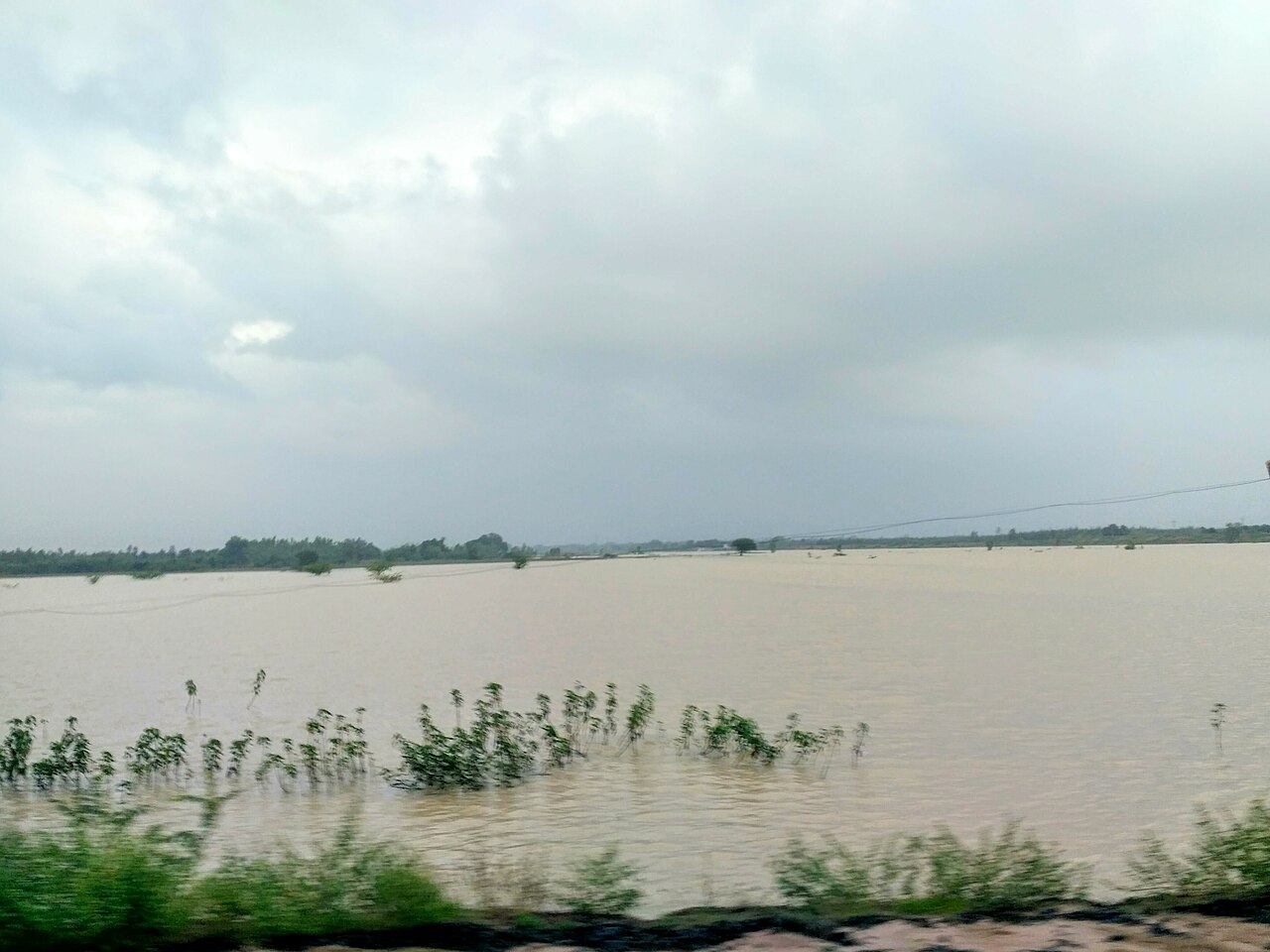

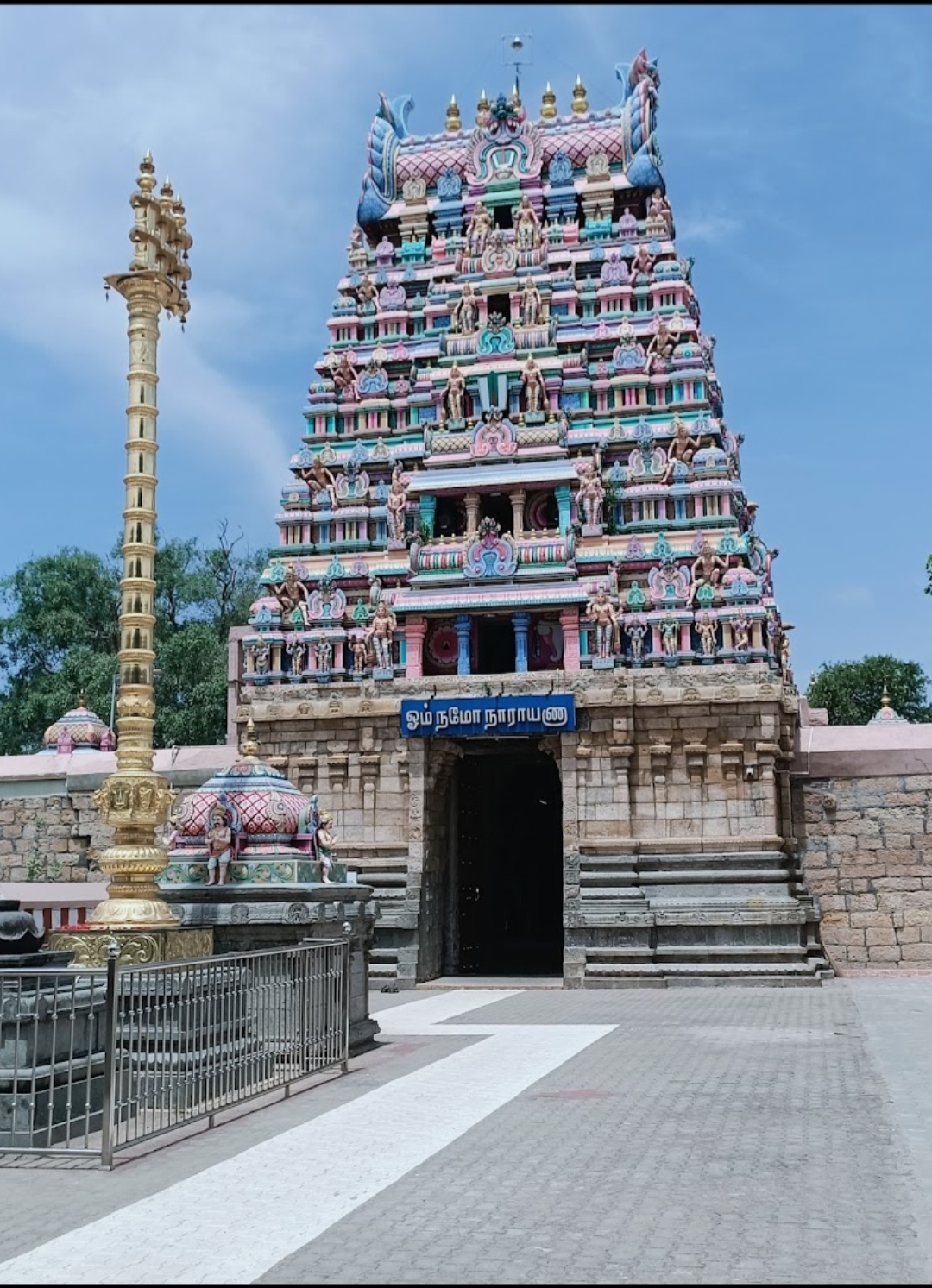
Geography and demographics
Ariyalur lies on the plains between the prominent river systems and the eastern coastline of Tamil Nadu. The district has a moderate population density and experienced steady but limited growth between 2001 and 2011. It is smaller in population than many neighbouring districts: for example, Perambalur and Nilgiris are noted as having different population profiles and topographies (Perambalur, Nilgiris). The demographic profile is typical of the region, with a mix of rural settlements, small towns and agricultural communities; literacy, occupational patterns and household composition reflect the broader trends of inland Tamil Nadu.
Economy and natural resources
The district economy is dominated by mineral extraction and related industries. Ariyalur has substantial limestone resources and a well-developed cement industry; several cement plants operate around the district, providing industrial employment and contributing to state-level construction supply chains. Lignite and other fossil fuel deposits have been reported in the area and have influenced local economic activity and land use. Agriculture, including rice and other crops suited to the regional climate, remains important in rural areas.
Archaeology, fossils and cultural heritage
Ariyalur is notable for its palaeontological and archaeological significance. Sedimentary deposits in the district have yielded extensive fossil remains, particularly of marine molluscs, fish and other prehistoric fauna; these finds make Ariyalur one of the better-known fossil-bearing districts in southern India. The area also contains important medieval monuments: Gangaikonda Cholapuram, a capital founded by a Chola emperor and part of the group of great Chola temples, lies within the district and is associated with monumental temple architecture and sculpture.
Notable events and cultural institutions
The district attracted international attention in 2008 after the discovery by national archaeological authorities that several ancient bronze and stone idols had been illicitly removed from temples, including a 9th-century shrine at Gangaikonda Cholapuram. One of the objects later surfaced in a major overseas collection at the National Gallery of Australia and subsequent provenance research and legal action led to the return of some items. Repatriated statues are now displayed in regional museums such as the Government Museum at Kumbakonam, while the episode prompted renewed emphasis on site protection and cultural property policies.
Points of interest and practical information
- Historic sites: Temples and inscriptions associated with the Chola period, chief among them Gangaikonda Cholapuram, which is visited by scholars and pilgrims.
- Fossil sites: Exposures where marine and vertebrate fossils are found; these attract researchers and are important for understanding regional geology and palaeoenvironments.
- Industry: Cement factories and mineral working form a large part of industrial employment.
- Museums and returns: Returned artefacts are now in local collections; the handling of these items is illustrative of contemporary debates on cultural restitution and conservation.
Ariyalur illustrates how a relatively small administrative district can combine industrial importance, scientific interest from fossil deposits, and rich historical heritage. Visitors and researchers alike are drawn to its temples and fossil beds, while local development continues to balance economic activity with heritage protection and environmental concerns.
For additional administrative and historical context see the state page for Tamil Nadu, national resources on India, and local descriptions for Ariyalur town. Comparative demographic references include Guyana and subnational pages such as United States (state information) or the specific example of Alaska. For neighbouring district comparisons consult notes on Perambalur and Nilgiris. Historical temples and the 2008 recoveries are catalogued in reports which reference the Brahadeeswarar temple complex at Gangaikonda Cholapuram and subsequent museum placements such as the Government Museum at Kumbakonam.
Questions and answers
Q: What is the Ariyalur District?
A: The Ariyalur District is an administrative district in the state of Tamil Nadu in India. The district headquarters is at Ariyalur.
Q: How large is the district area?
A: The district area is 1,949.31 km².
Q: What was the population of Ariyalur District according to the 2011 census?
A: According to the 2011 census, Ariyalur District had a population of 752,481.
Q: What is notable about Ariyalur District?
A: Ariyalur District is noted for its cement industries and has huge reserves of lignite. It also contains Gangaikonda Cholapuram, an UNESCO World Heritage site, as well as rich prehistoric fossils such as gigantic molluscs and jawed fishes. Notably, The Rajasaurus, an Indian dinosaur genus was identified here.
Q: What was discovered by Archaeological Survey of India (ASI) Government officials in 2008?
A: In 2008, theft of 8 idols were discovered from a 9th-century Chola Brahadeeswarar Temple at gangai konda cholapuram by Archaeological Survey of India (ASI) Government officials.
Q: Where did one of these stolen idols end up?
A: One of these stolen idols, the Sripuranthan Natarajan Idol found its way to the National Gallery of Australia.
Q: Where are two other stolen statues now displayed?
A: Two other stolen statues were later returned and are now displayed in the Government Museum at Kumbakonam
Related articles
Author
AlegsaOnline.com Ariyalur district Leandro Alegsa
URL: https://en.alegsaonline.com/art/5577
Sources
- thehindu.com : "New Collector takes charge in Ariyalur"
- censusindia.gov.in : "2011 Census of India"
- ariyalur.tn.nic.in : www.ariyalur.tn.nic.in/