
Laboratory equipment: instruments, types, uses, and maintenance
Concise guide to laboratory equipment: common instruments, categories, historical context, typical uses, and basic safety and maintenance for educational, research, and industrial labs.
Overview
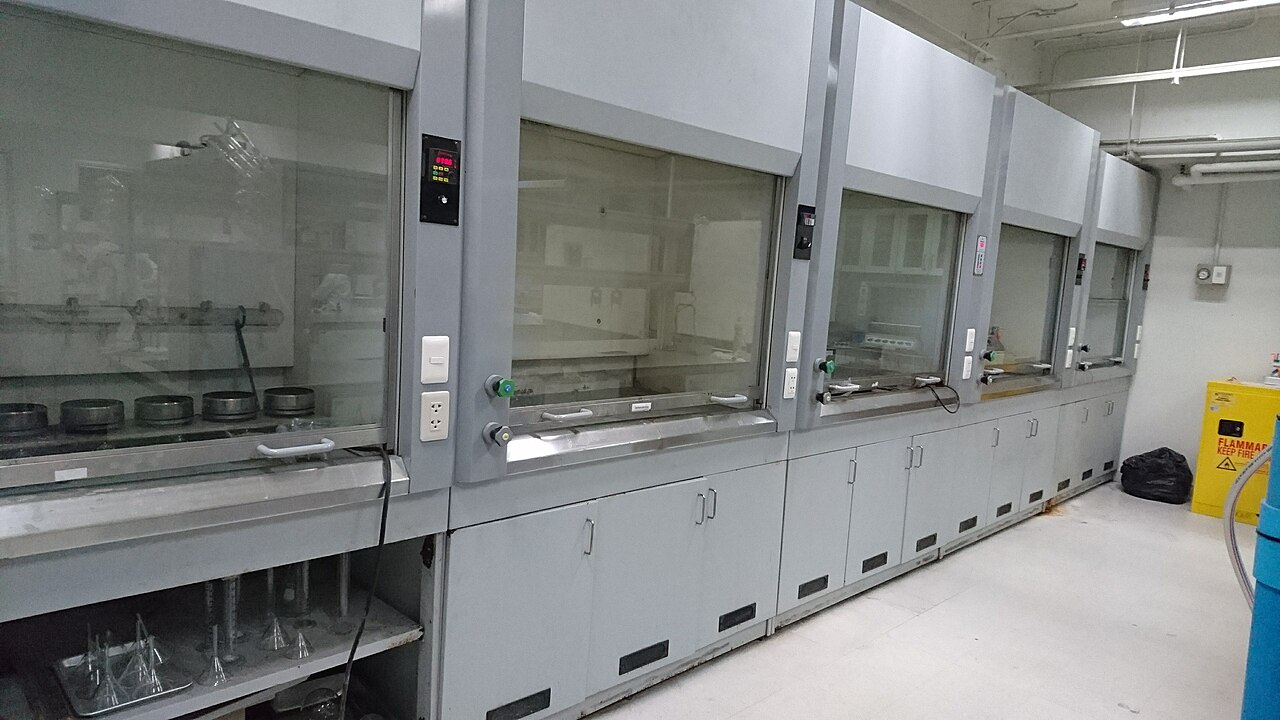
Laboratory equipment refers to the collection of tools and devices used by scientists, technicians and students inside a laboratory. These items range from simple glassware to complex electronic instruments. In general they enable controlled experiments, precise measurements and reliable collection of data. Good equipment selection supports reproducibility, safety and efficient workflow.
Image gallery
10 Images




Common types and examples
Some frequently encountered instruments illustrate the variety of functions carried out in labs:
- Bunsen burners — simple gas burners used for heating, sterilization and combustion tests.
- Burettes — graduated glass tubes that deliver accurate volumes for titration and volumetric analysis.
- Calorimeters — devices that measure heat changes in chemical or physical processes.
- Microscopes — optical or electron instruments that magnify small structures for observation and measurement.
- Pipettes — tools for transferring small, controlled liquid volumes, available in manual and electronic forms.
- Spectrophotometers — analytical instruments that quantify how samples absorb or transmit light at specific wavelengths.
Beyond these examples, equipment categories include glassware, analytical instruments, heating and cooling apparatus, containment and safety gear, and measurement sensors. Many items are modular or bench-mounted, while others are portable for fieldwork.
Historically, laboratory equipment evolved from simple alchemical vessels to standardized scientific apparatus during the 18th and 19th centuries and has continued to advance with electronics, automation and materials science. Standardization, calibration procedures and certification (for clinical or industrial use) became important as experiments demanded greater precision.
Uses, selection and care
Laboratory equipment is used across education, research, clinical diagnostics, quality control and environmental monitoring. Choosing appropriate equipment depends on required accuracy, sample type and throughput. Proper maintenance—regular cleaning, calibration, safe storage and replacement of consumables—preserves performance. Safety considerations include using personal protective equipment, appropriate ventilation, and following manufacturer and institutional protocols. Distinctions such as disposable versus reusable items, manual versus automated instruments, and benchtop versus field models influence cost, convenience and environmental impact.
Understanding the roles and limitations of each piece of equipment helps laboratories produce reliable results while managing safety and budgetary constraints.
Related articles
Author
AlegsaOnline.com Laboratory equipment: instruments, types, uses, and maintenance Leandro Alegsa
URL: https://en.alegsaonline.com/art/55217