
Measurement: concept, units, methods and importance
Overview of measurement: defining quantities, common units and scales, instruments and methods, history and standards, plus practical uses and distinctions like accuracy, precision, and uncertainty.
Overview
Measurement is the process of assigning a number to a property of an object or event, using a defined standard. It translates attributes such as length, mass or temperature into values that can be compared and recorded. A measurement combines a numerical value with a unit and, in many cases, an estimate of uncertainty.
Image gallery
5 Images


Units, scales and types
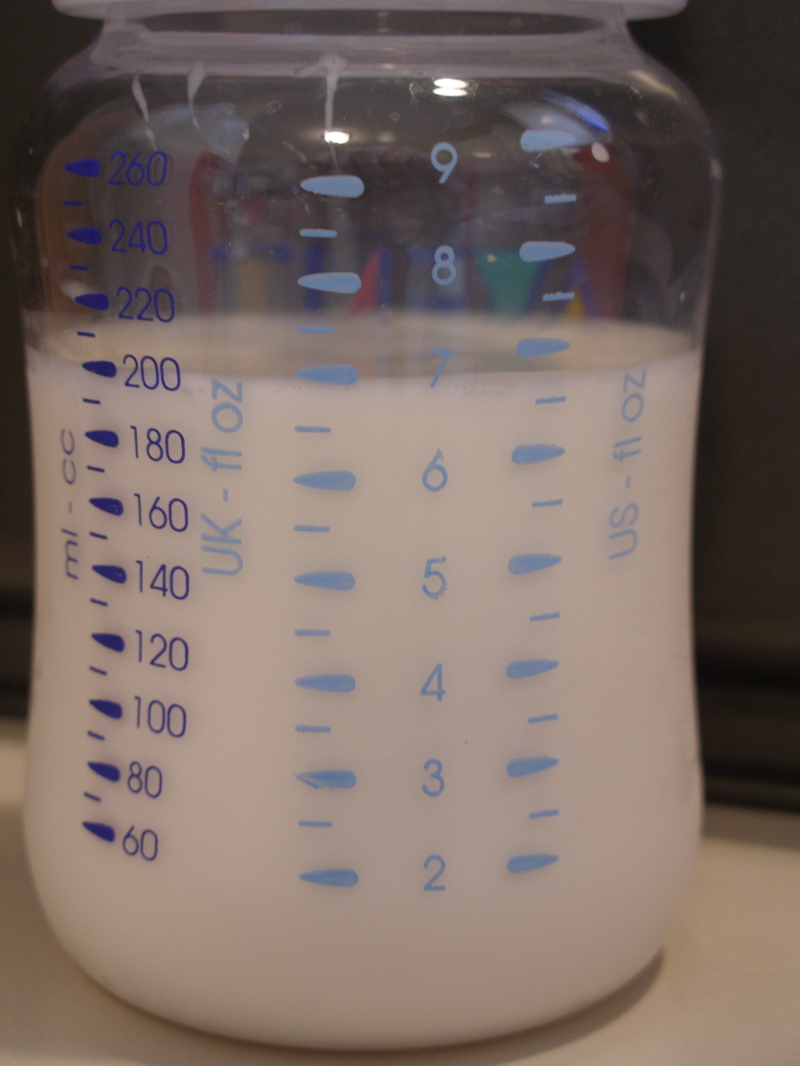
Values are expressed in units drawn from systems such as the International System of Units (SI) or customary systems used in particular regions. Common physical quantities include length, mass, time, temperature, electric current, amount of substance and luminous intensity. Measurements also fall into logical scales used in analysis:
- Nominal: categories without order (e.g., colors).
- Ordinal: ordered categories (e.g., rankings).
- Interval: ordered values with equal differences but no true zero (e.g., Celsius).
- Ratio: numeric values with a meaningful zero allowing ratios (e.g., mass, length).
Methods and instruments
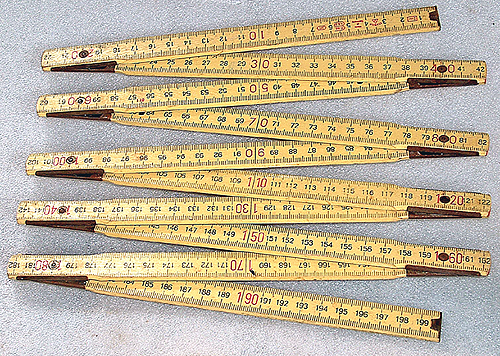
Measurements may be obtained directly—using rulers, balances, thermometers and voltmeters—or indirectly by calculation from other measured quantities. Instruments convert a physical property to a readable signal; calibration links that signal to a standard. Choice of instrument and method depends on the quantity, required precision and environment.
Accuracy, precision and uncertainty
Three concepts describe measurement quality. Accuracy refers to closeness to the true value, while precision indicates consistency between repeated measurements. Uncertainty quantifies the range within which the true value is believed to lie and combines instrument limits, procedures and environmental effects. Stating uncertainty is essential in science and engineering.
History, standards and practice
Formal measurement systems developed to support trade, construction and science. Over time, internationally agreed standards and reference instruments were adopted to reduce ambiguity and enable reproducibility. Organizations and treaties establish and maintain standards, and calibration laboratories ensure instruments traceable to those references.
Uses, examples and notable distinctions
Measurement underpins science, engineering, health care, manufacturing and everyday life. Examples range from measuring container volumes to control industrial processes and diagnose medical conditions. Distinctions such as direct versus indirect measurement, or deterministic versus statistical interpretation of results, are important in choosing methods and reporting findings. For practical guidance and further resources, see Further reading on measurement.
Related articles
Author
AlegsaOnline.com Measurement: concept, units, methods and importance Leandro Alegsa
URL: https://en.alegsaonline.com/art/63330