
Materials science
Study of materials' structure, properties, processing and performance, and how they are designed and used across engineering, electronics, energy and medicine.
Materials science is the interdisciplinary study of materials' structure, properties and behavior, and the techniques used to create and modify them. Researchers analyze how atomic and microstructural features determine mechanical, electrical, thermal and chemical performance, then apply that knowledge to solve practical problems. It bridges basic scientific inquiry and real-world engineering challenges.
Image gallery
10 Images







Key characteristics and components
At its core, the field examines three interrelated levels: atomic or electronic structure, microstructure (grains, phases, defects) and macroscopic properties. Materials are commonly grouped by class, including:
- Metals and alloys — known for strength, ductility and conductivity
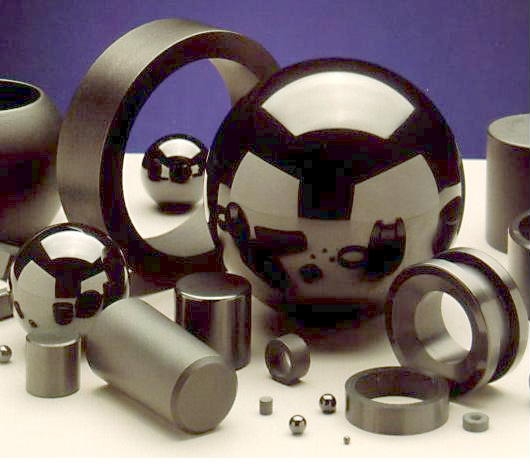
- Ceramics and glasses — notable for hardness and high-temperature stability
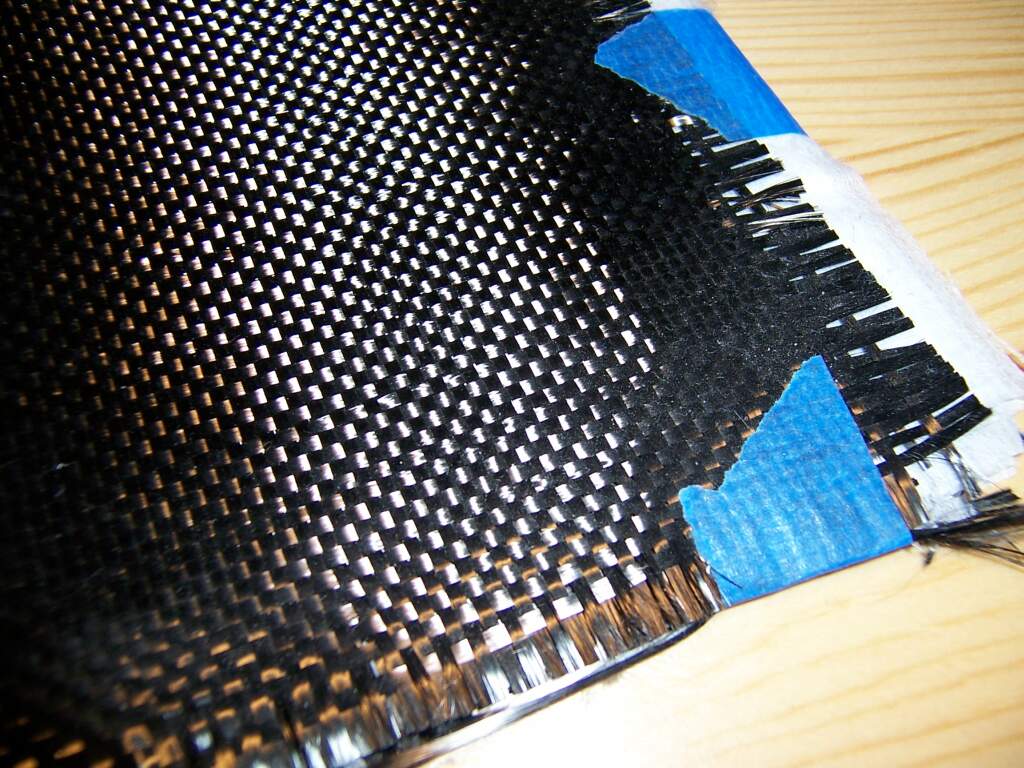
- Polymers and composites — valued for low density and tunable properties
- Semiconductors and electronic materials — central to devices and sensors
- Biomaterials and soft matter — used in medical and biological contexts
Methods and scientific foundations
Understanding and engineering materials draws on applied physics to model electronic, magnetic and structural behavior and on chemistry to control composition and reactions during processing. Characterization tools such as microscopy, diffraction and spectroscopy reveal structure at different scales. Processing techniques include heat treatment, additive manufacturing, thin-film deposition and chemical synthesis.
History and development
The discipline evolved from empirical metallurgy, ceramics and polymer chemistry into a unified science during the 20th century as new instruments and theory connected microstructure to properties. In recent decades, advances in computation and fabrication have enabled predictive materials design and accelerated discovery.
Applications and impact
Materials science underpins technologies across industries: lightweight alloys in transportation, high-strength composites in aerospace, battery materials for energy storage, semiconductor materials for electronics and engineered scaffolds for regenerative medicine. Emerging work in nanotechnology manipulates matter at the nanoscale to produce novel optical, mechanical and catalytic properties.
Failure, testing and distinctions
Studying how materials fail—by fracture, fatigue, corrosion or wear—is crucial to safe design and lifetime prediction. Materials science overlaps with but is distinct from materials engineering: the former emphasizes understanding and discovery, while the latter focuses on large-scale production and application. Cross-disciplinary collaboration with design, manufacturing and life-cycle analysis is common.
Together, theory, characterization and processing form a feedback loop: new understanding leads to new materials, which enable novel applications and further scientific questions.
Questions and answers
Q: What is materials science?
A: Materials science is a field of science that focuses on studying the properties of matter to solve science and engineering problems.
Q: What does materials science use?
A: Materials science uses applied physics and chemistry.
Q: What has received attention in recent years in materials science?
A: Supersmall nanotechnology has received attention in recent years in materials science.
Q: Are there many inventions of new materials in materials science?
A: Yes, there are many inventions of new materials in materials science.
Q: Why is the work on why structures fail or break down important to engineering?
A: The work on why structures fail or break down is important to engineering because it helps prevent potential hazards and ensures the safety of structures and products.
Q: What is the main objective of materials science?
A: The main objective of materials science is to solve science and engineering problems by studying the properties of matter.
Q: What other fields of science does materials science intersect with?
A: Materials science intersects with physics, chemistry, and engineering.
Related articles
Author
AlegsaOnline.com Materials science Leandro Alegsa
URL: https://en.alegsaonline.com/art/62796