
Laboratory — scientific workplace and its forms
An overview of laboratories: definition, common components, types, safety and management. Covers academic, clinical, industrial, photographic, computer and clandestine labs and their typical roles.
Overview
A laboratory (often abbreviated as lab) is a workspace designed for controlled scientific activity such as research, testing, experimentation and precise measurement. Laboratories provide environments, tools and documented procedures that reduce risk, improve repeatability and support accurate observation. They may be simple benches for instructional work or complex facilities for materials science, biology, chemistry, physics and interdisciplinary research.
Image gallery
10 Images




Typical characteristics and components
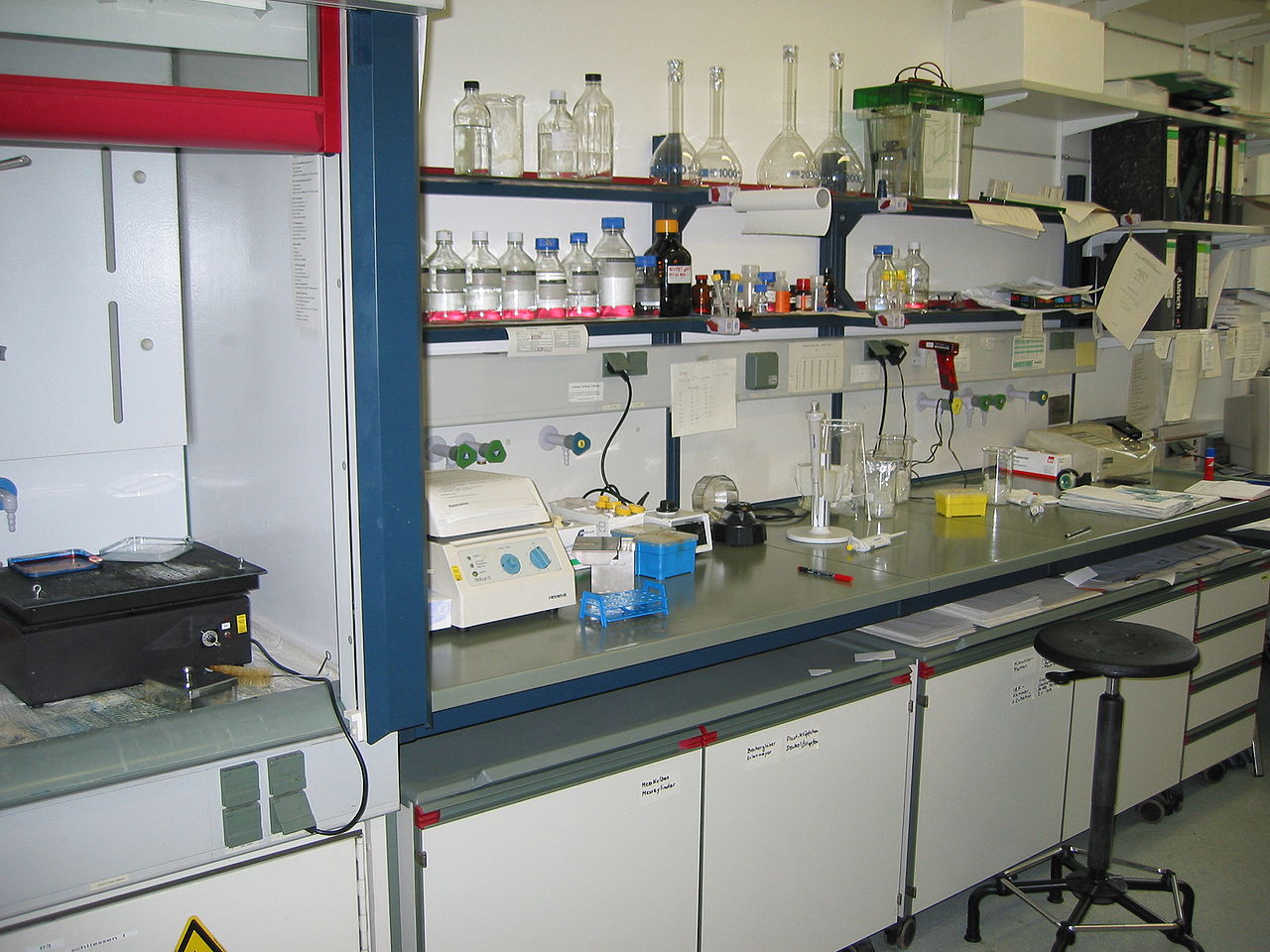
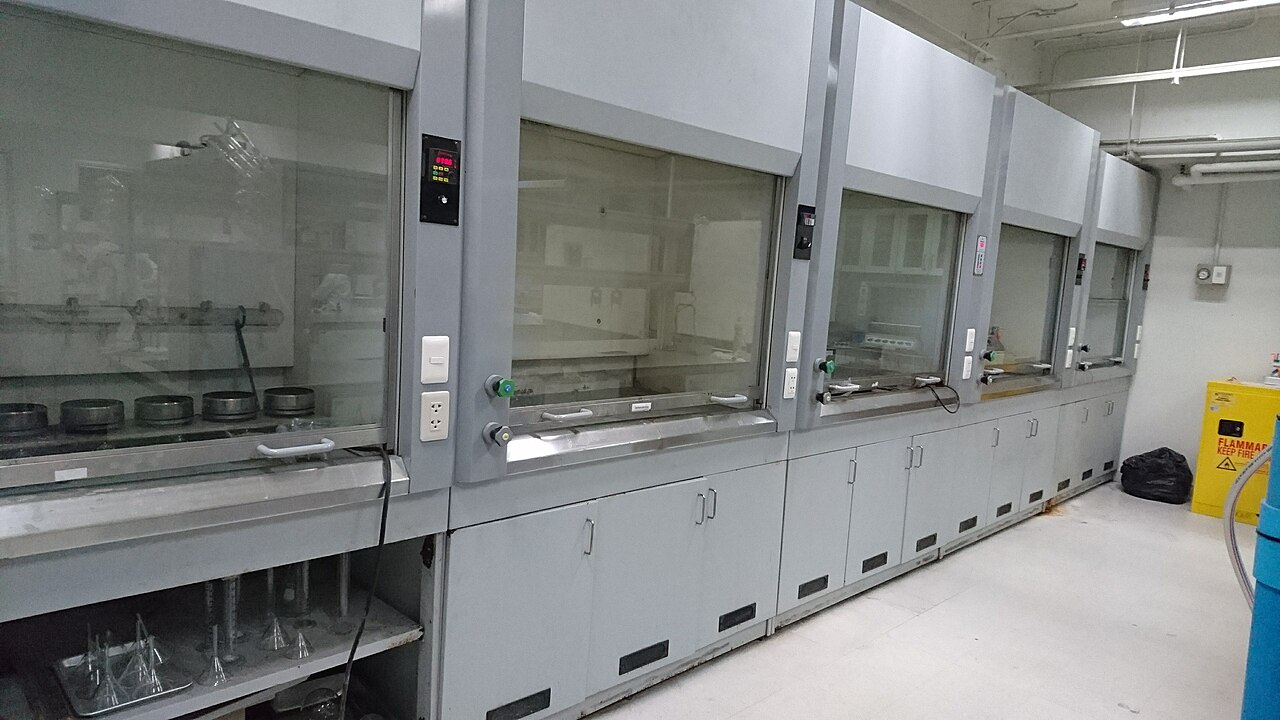
Common features include workbenches, storage for reagents and consumables, analytical instruments and data systems. Safety equipment such as fume hoods, biological safety cabinets, emergency showers, eye-wash stations and appropriate personal protective equipment are standard in many labs. Other critical elements are calibration and maintenance programs for instruments, written procedures, record keeping and waste-management arrangements.
Types and settings
- Academic and teaching labs found in schools and universities; these support instruction, demonstration and student research.
- Clinical and medical diagnostic labs located in hospitals and clinics, where analyses support patient care.
- Industrial and product-development labs in industry, focused on quality control, process development and applied research.
- Government and defence research facilities operated by government agencies or military organizations.
- Field and mission laboratories aboard ships and spacecraft, adapted to constrained environments and specialized measurements.
Other uses of the term
The word laboratory also describes places that share equipment or workflows with scientific labs. Examples include a film or photographic laboratory for developing images and prints, and a computer lab used for software development, instruction or high-performance computing. By contrast, a clandestine lab set up for illegal drug manufacture is an illicit and hazardous use of similar techniques and often lacks regulatory oversight.
Design, containment and biosafety
Laboratory design is guided by the nature of the work: chemical labs emphasize ventilation and chemical-resistant surfaces; biological labs consider containment and decontamination. Biosafety levels (commonly described as BSL‑1 to BSL‑4) and other containment classifications match facility features and protocols to the hazard of agents handled. Cleanrooms and controlled-environment labs are used where contamination control is essential.
Management, quality and regulation
Effective laboratory operation relies on training, documented procedures, quality assurance and compliance with regulations. Standards and frameworks such as good laboratory practice, good manufacturing practice and international quality standards (for example ISO series) are widely applied in different sectors. Regular audits, proficiency testing and instrument calibration help ensure reliable results.
Safety, ethics and environmental considerations
Laboratories must manage chemical, biological and radioactive hazards responsibly. Waste treatment, spill response plans and ethics review for human and animal research are typical requirements. Proper lab culture emphasizes safety training, supervision and adherence to legal and ethical obligations to protect personnel, the public and the environment.
Importance and applications
Well-managed laboratories underpin scientific discovery, medical diagnostics, industrial innovation and education. They translate theoretical ideas into reproducible experiments and practical technologies, support public health and enable routine testing in many sectors. For additional practical examples and resources, readers may consult introductory guides and institutional policies linked from relevant pages.
Related articles
Author
AlegsaOnline.com Laboratory — scientific workplace and its forms Leandro Alegsa
URL: https://en.alegsaonline.com/art/55221