
Kurdistan Province (Iran)
Kurdistan Province is a mountainous, predominantly Kurdish region in western Iran with capital Sanandaj, noted for its language, culture, crafts, agriculture and role within the broader Kurdish cultural area.
Overview
Kurdistan Province is one of the 31 administrative provinces of Iran. Its capital and largest city is Sanandaj. The province is part of the larger cultural and historical region commonly called Iranian Kurdistan and is home to a predominantly Kurdish population. In Persian the province is known as استان کردستان.
Image gallery
8 Images
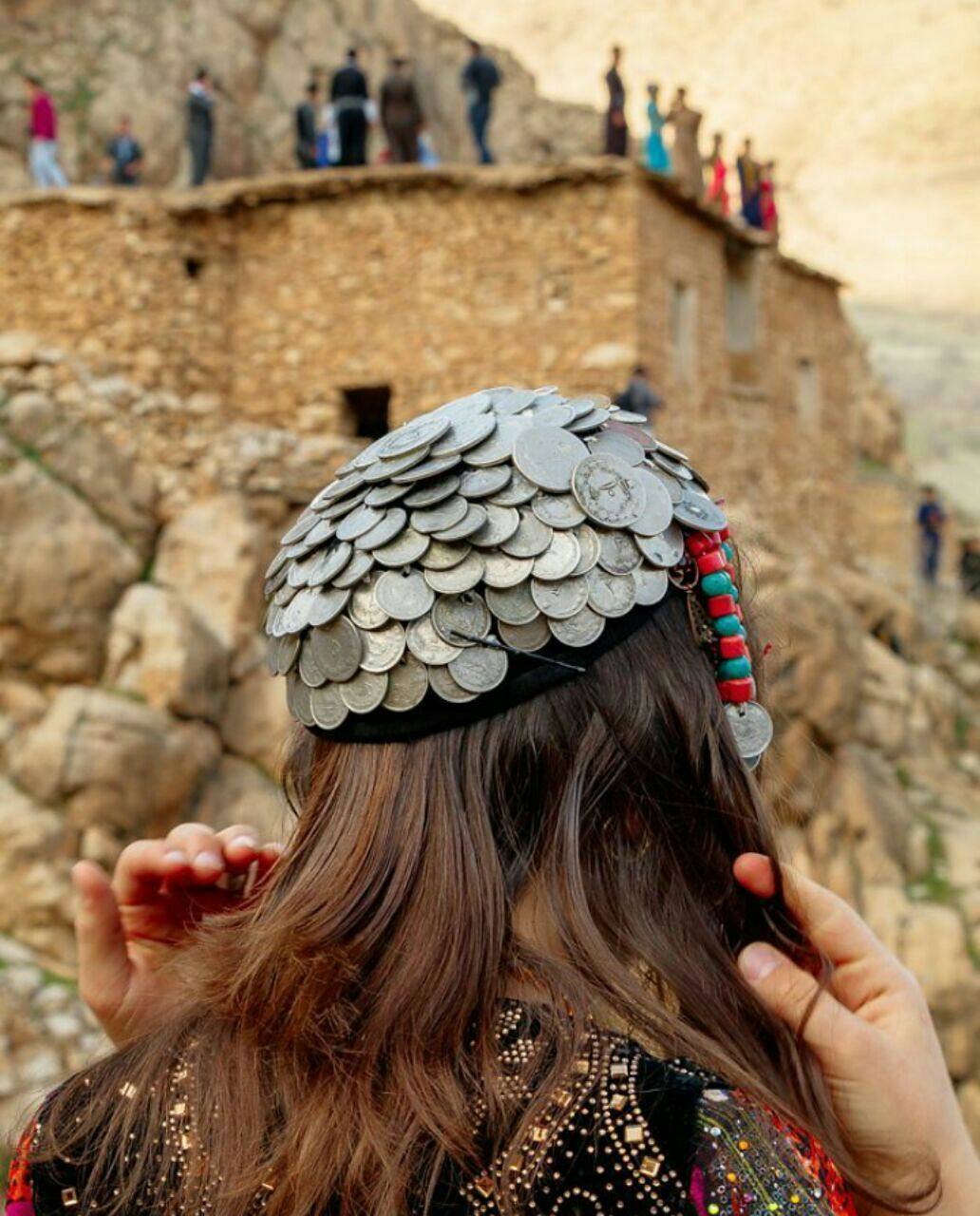


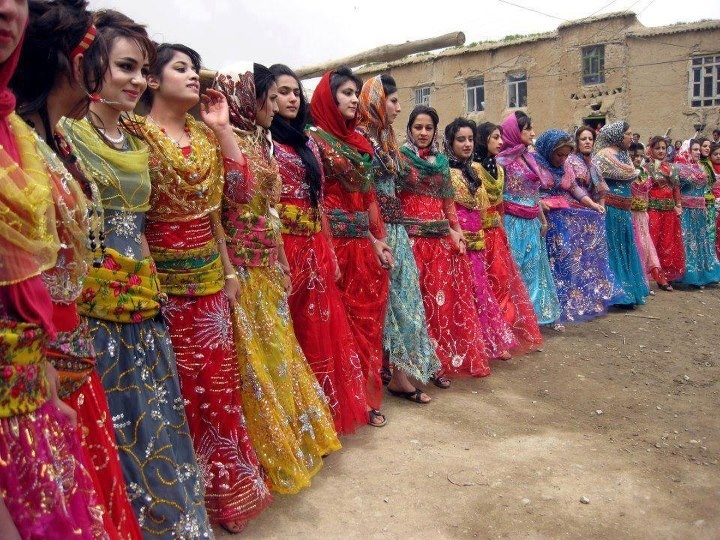


Geography and climate
The province lies within the Zagros mountain range and features rugged terrain, high plateaus and river valleys. Elevations and exposure produce a continental climate: cold, often snowy winters and warm, dry summers in many areas. These conditions support mixed farming and seasonal pasturing.
Population, language and culture
Kurdish languages and dialects are widely spoken alongside Persian, the state language. Traditional music, oral poetry, and textile arts—especially carpet and rug weaving—are important cultural expressions. Cities and towns host bazaars and festivals that reflect Kurdish social life.
Economy and uses
The local economy combines agriculture, animal husbandry, small-scale industry and handicrafts. Common agricultural products include grains, fruits and nuts; livestock grazing remains important in highland areas. Handicrafts, particularly woven carpets, are both cultural products and sources of income for many households.
Administration and notable places
The province is subdivided into counties and districts; besides Sanandaj, other notable cities include Saqqez, Marivan, Baneh, Bijar, Qorveh and Divandarreh. These urban centers serve as regional markets and administrative hubs.
History and significance
Kurdistan Province has long been inhabited by Kurdish peoples and has played a role in the social and political history of Kurdish communities across the region. It is one component of a cross-border Kurdish cultural zone that extends into neighboring countries.
See also and further reading
Administration
The province is divided as follows:
| Shahrestan (administrative district) | Bachsch (district) | Main site |
| Baneh | Armardeh, Baneh, Buin-e Sofla, Kani Sur | |
| Bijar | Bijar, Babarashani, Yasukand | |
| Divanderre | Divanderre, Zarrineh | Divanderre |
| Dehgolan | Dehgolan, Bolbanabad | Dehgolan |
| Kamyaran | Kamyaran, Mukheesh | Kamyaran |
| Marivan | Marivan, Chenareh, Kani Dinar | |
| Qorveh | Qorveh, Delbaran, Dezedj, Serishabad | Qorveh |
| Sanandaj | Sanandaj, Shuyezh | |
| Saqqez | Saqqez, Saheb | |
| Sarvabad | Sarvabad | Sarvabad |


History
Kordestān, along with the entire Zagros region, is one of the earliest settlement sites of the Medes and Persians. From here the Assyrian empire was subjugated in 612 BC. After the defeat of the Sasanids in 634 AD by the Muslim Arabs, Iran became Muslim. However, there were still regional uprisings from time to time. For example, the Kurds here rebelled against the Caliph al-Mutasim in 835.
Over the next centuries, Kordestān, like other regions, was ravaged by the Mongols and Timur Lenk. After the Europeans used the sea route for trade with India and China as an alternative for the Silk Road in the 16th century, Kordestān lost economic importance. Sultan Mohammed Chodabandeh built Sultanabad Chamchal, near the Bisutun region, as the administrative seat of the province in about 1220. In 1372, however, the administration then moved to Hassanabad, which is 6 km south of Sanandaj. In the 13th century, the Kurdish dynasty of Ardalan came to power and ruled Kordestān until 1867.


Related articles
Author
AlegsaOnline.com Kurdistan Province (Iran) Leandro Alegsa
URL: https://en.alegsaonline.com/art/54656
Sources
- amar.org.ir : Selected Findings of National Population and Housing Census 2011 · web.archive.org · web.archive.org
- encyclopaediaislamica.com : encyclopaediaislamica.com/madkhal2.php?sid%3D2396
- ghorveh.gov.ir : Government of Kurdistan Province (Persian)
- ghorvehcity.ir : ghorveh Municipality website (Persian)
- pnughorveh.ac.ir : Payam Noor University of ghorveh (Persian)
- commons.wikimedia.org : Kurdistan Province
- en.wikivoyage.org : Kurdistan (province)