
Bijar — city in Iran's Kurdistan Province
Bijar is a Kurdish city in Iran's Kurdistan Province, noted for its highland climate, Kurdish language and culture, and a long tradition of tightly woven carpets and local crafts.
Overview
Bijar (Bîcar in Kurdish, بیجار in Persian) is a city in Iran's Kurdistan province. It serves as a local administrative and market centre for surrounding rural areas. The population is predominantly Kurdish, and most residents are followers of Islam. Kurdish language, customs and communal life shape the city's social fabric.
Image gallery
4 Images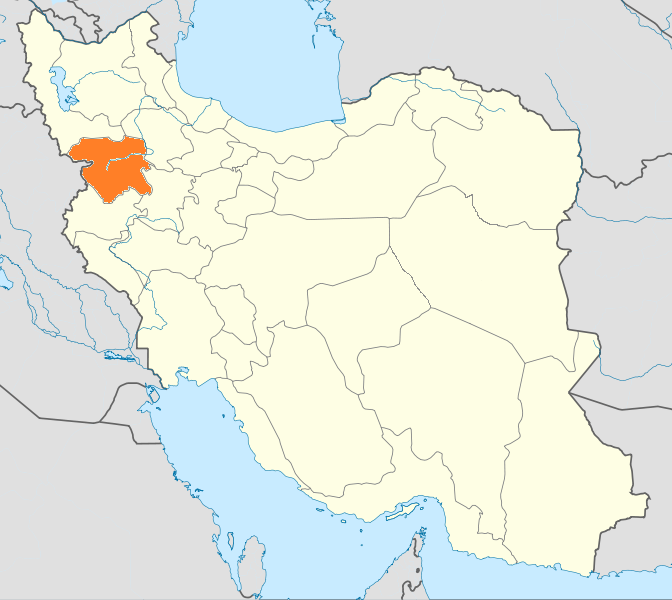


Geography and climate
Bijar lies on a highland plain and experiences a continental or highland climate with cold winters and warm, relatively dry summers. Elevation and mountain influences cause marked seasonal temperature swings. The surrounding countryside is characterised by steppe vegetation, pastureland and agricultural fields adapted to cooler, drier conditions.
Language, culture and crafts
Local residents commonly speak Kurdish dialects such as Sorani and regional varieties often described as Garusi. Kurdish oral traditions, music and seasonal festivals are important in daily life. Bijar is widely known in the region for its carpet-weaving tradition: local rugs are prized for dense knotting, strong warp and weft, durability and often geometric designs. These textiles have an economic and cultural role, used in homes and traded beyond the locality.
Economy and infrastructure
The economy combines agriculture, animal husbandry, artisanal production and small-scale trade. Markets and bazaars supply foodstuffs, textiles and household goods. In recent decades, basic services and transport links have expanded, although many families maintain ties to rural livelihoods and seasonal pastoral work.
History and society
Bijar has long-standing ties to the broader Kurdish cultural region of northwestern Iran. Its history reflects local patterns of settlement, trade and craft production rather than being dominated by a single major urban development. Social life remains organised around family, village connections and community institutions.
Visiting and notable features
Visitors to Bijar typically note its highland landscape, traditional markets and the continuing handicraft trades. Local architecture and public spaces reflect practical responses to the climate and to community needs. Research and collectors interested in Kurdish weaving often seek out Bijar carpets for their characteristic construction and design.
Key features
- Highland location with cold winters and relatively dry summers.
- Predominantly Kurdish-speaking population and local dialects.
- Longstanding tradition of tightly woven, durable carpets.
- Economy based on agriculture, livestock, crafts and trade.
Related articles
Author
AlegsaOnline.com Bijar — city in Iran's Kurdistan Province Leandro Alegsa
URL: https://en.alegsaonline.com/art/11403
Sources
- bijaronline.com : "مدیر شبکه بهداشت و درمان شهرستان بیجار :۵۴۴ نفر از مردم بیجار مبتلا به افسردگی هستند"