
Kurigram District (Bangladesh)
Kurigram is a riverine district in northern Bangladesh's Rangpur Division, known for fertile floodplains, charlands, and a largely agrarian economy shaped by the Brahmaputra and Teesta rivers.
Overview
Kurigram is a district in northern Bangladesh. It lies within the Rangpur administrative region and is characterised by extensive river systems, notably branches of the Brahmaputra and Teesta. The district's name and primary language ties are reflected in Bengali, and it is one of the territorial units of Bangladesh inside Rangpur Division. Kurigram's landscape and settlement patterns are shaped by seasonal flooding, river erosion and the formation of char (riverine islands).
Image gallery
6 Images


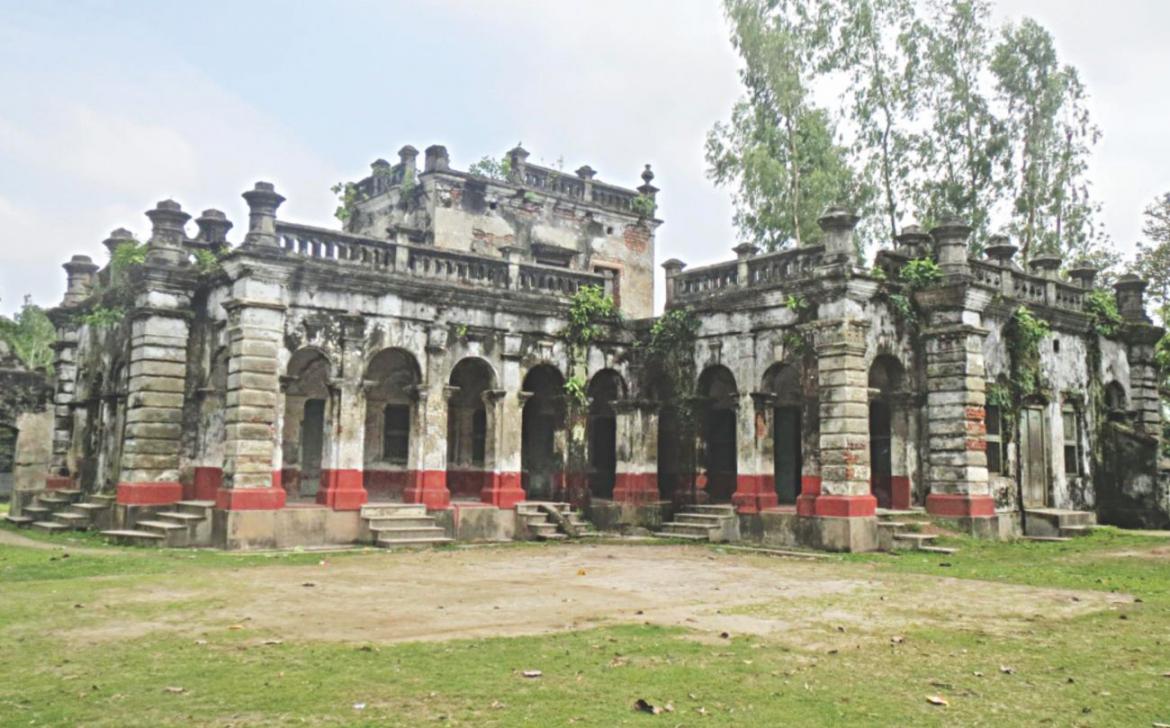

Geography and administration
Kurigram occupies low-lying plains intersected by multiple large rivers. Its terrain includes fertile alluvial soils, floodplains and charlands that are periodically renewed or lost because of shifting channels. Administratively the district is divided into subdistricts (upazilas) and municipalities, with local government handling services adapted to a riverine environment. The district headquarters is a local urban centre that acts as the service and market hub for the surrounding rural areas.
Economy and livelihood
The local economy is predominantly agrarian. Farmers grow rice, jute and other crops suited to wet soils; river fisheries and seasonal harvesting on chars contribute to food and income. Many households rely on petty trade, river transport, and remittances from family members working elsewhere. Periodic flooding and erosion are persistent challenges that affect housing, farmland and infrastructure.
History and development
The area now called Kurigram has long been part of Bengal's riverine heartland. Over centuries, settlement and administration were influenced by shifting rivers, regional trade routes and changing political boundaries. In more recent centuries, colonial and post-colonial administration formalised districts and local governance structures. Development efforts in the district focus on flood management, riverbank protection, improving rural roads and expanding education and health services.
Culture, environment and notable features
Communities in Kurigram preserve typical northern Bengali cultural traditions: religious festivals, folk music, handcrafts and seasonal fairs. The district's riverine ecology supports diverse aquatic life and migratory birds, while its social life is often organized around planting and harvest cycles. Environmental concerns—especially erosion and flood risk—have produced local adaptation strategies such as raised homesteads, floating cultivation in some areas and community embankments.
Practical notes
- Travel and transport depend heavily on river crossings and seasonal road conditions.
- Local development programmes often prioritise resilient housing, flood early-warning systems and improved agricultural practices.
- Kurigram's position in northern Bangladesh gives it links to neighbouring districts and cross-border interactions with nearby parts of India.
For general information about language, nation and regional administration see the linked placeholders above: Bengali, Bangladesh and Rangpur Division.
Related articles
Author
AlegsaOnline.com Kurigram District (Bangladesh) Leandro Alegsa
URL: https://en.alegsaonline.com/art/54661