
Persian people
Ethnic group originating in the Iranian plateau who share the Persian language, many cultural practices, and a long historical tradition spanning ancient empires to a modern diaspora.
Overview
The Persian people, often simply called Persians, are an Iranian ethnic group historically associated with the Iranian plateau and the Persian language. They are united by shared linguistic, cultural and historical traditions rather than by a single modern state. The term is sometimes used in broader senses in Western writings, but it most precisely denotes communities that speak Persian and identify with Persian cultural heritage. See general classification as an Iranian ethnic group and the role of the Persian language in that identity.
Image gallery
10 Images


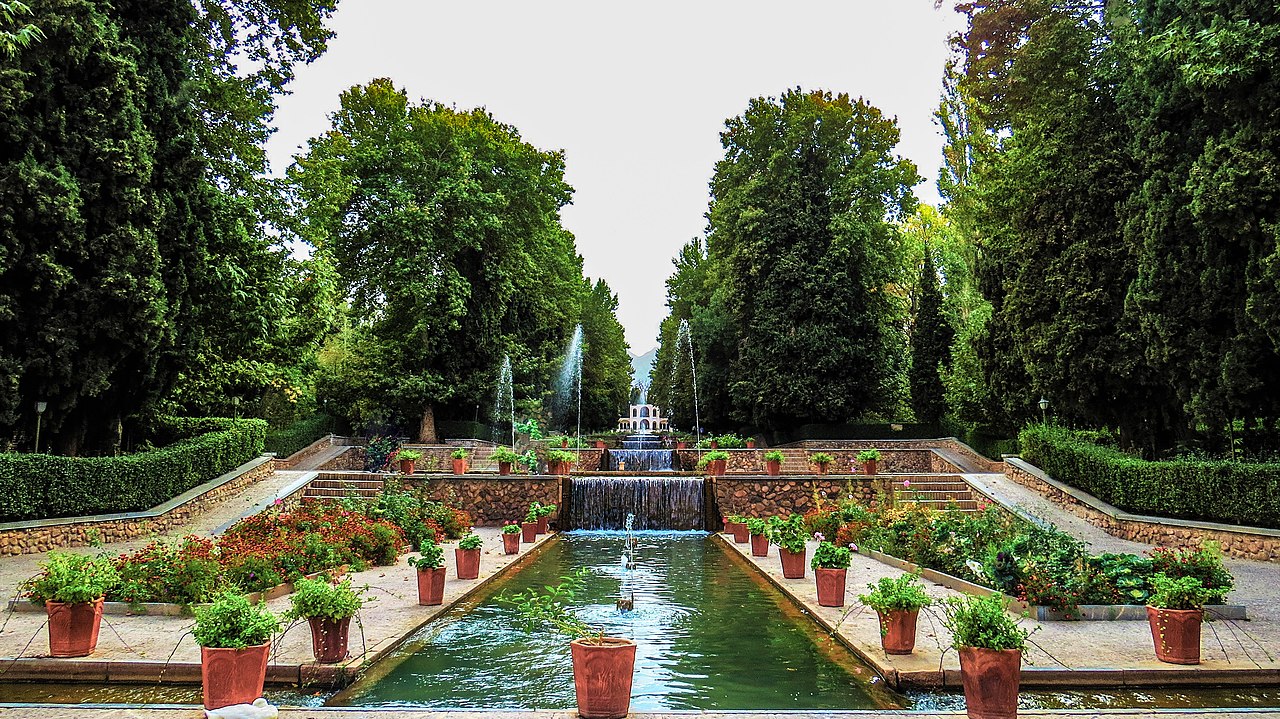
Language and regional varieties
Persian is a modern Indo-Iranian language that developed from Old Persian and Middle Persian. Today it exists in several closely related standard varieties: Iranian Persian (commonly called Farsi), Afghan Persian (Dari), and Tajiki (a variant written in Cyrillic in Tajikistan). These forms are mutually intelligible to varying degrees and serve as literary and administrative standards in their countries. Cultural institutions and literature have kept a shared literary tradition alive across these regional varieties. For further context on the cultural dimension, consult resources on Persian culture.
Characteristics and cultural markers
Common cultural markers among Persian-speaking communities include a rich poetic and literary tradition, architectural styles, culinary customs, and celebrations such as Nowruz (the Persian New Year). Persian literature has produced influential poets and writers whose works have shaped not only Iran but also broader regions of the Middle East and Central Asia. Religious affiliation among Persians is diverse historically; prior to the 7th-century Islamic expansion many practiced Zoroastrianism, while Islam, especially Twelver Shiʿa and Sunni branches, became predominant in later centuries.
History and development
The origins of Persian identity trace back to Indo-Iranian-speaking peoples and the emergence of Persian-speaking states in the first millennium BCE. Prominent historical phases include the Achaemenid and Sassanian empires and later Persianate dynasties that shaped administrative, artistic and intellectual life. After the Islamic conquest, Persian language and culture continued to evolve, producing a lasting Persianate civilization that influenced neighboring lands. For an outline of historical developments, see this reference on Persian history.
Distribution and demographics
The largest concentration of Persians lives in modern Iran, where Persian (Farsi) is the official language and a central element of national identity. Significant Persian-speaking populations also exist in Afghanistan and Tajikistan, where the language is an important national or official variety: Afghanistan hosts many Dari speakers and Tajikistan is home to Tajiki speakers. See national contexts: Iran, Afghanistan, and Tajikistan. In addition, Persian-speaking and ethnically Persian communities form diasporas across the globe in Europe, North America and beyond.
Groups, distinctions and notable facts
Persian identity overlaps with, but is not identical to, broader Iranian identities. Various ethnic groups within the region may speak Persian or related languages and share cultural traits but maintain distinct identities; for example, the Lurs are one of many Iranian groups historically associated with Persianate culture. The Tajiks are often described as Central Asian Persians because of their linguistic and cultural affinity with Persians, though they are also regarded as a separate ethnic group in many contexts: see discussion of the Tajiks. Scholars emphasize distinguishing language, ethnicity and national citizenship when discussing Persians across different countries.
Examples of Persian cultural contributions
- Literature and poetry (classical and modern)
- Architecture and visual arts
- Culinary traditions and festive customs such as Nowruz
- Philosophy, science and scholarship from medieval Persianate centers
Persian people and their culture remain influential regionally and globally, maintaining continuity with a long historical tradition while adapting to modern national and transnational contexts. For overviews and further reading consult general reference materials and the linked resources above.
Related articles
Author
AlegsaOnline.com Persian people Leandro Alegsa
URL: https://en.alegsaonline.com/art/75954
Sources
- cia.gov : "The World Fact Book – Iran"
- lcweb2.loc.gov : lcweb2.loc.gov/frd/cs/profiles/Iran.pdf
- cia.gov : "Afghanistan"
- cia.gov : "Tajikistan"
- cia.gov : "Uzbekistan"
- joshuaproject.net : "Persian in Turkey"
- joshuaproject.net : "Iraq – People Groups"
- farsinet.com : "The Persian Diaspora, List of Persians and Persian Speaking Peoples living outside of Iran, Worldwide Outreach to Persians, Outreach to Muslims around the Globe"
- iranian.com : "Iranian-American stats, Phyllis McIntosh"
- factfinder.census.gov : "US demographic census"
- cal.org : Robson, Barbara and Lipson, Juliene (2002) "Chapter 5(B)- The People: The Tajiks and Other Dari-Speaking Groups"
- worldcat.org : OCLC 56081073
- jpost.com : "Why are people going to Iran?"
- britannica.com : "United Arab Emirates: Demography"
- persianwo.org : "Persian World Outreach – ''Persian-speaking people outside of Iran''"