
Alaska Arctic Region: Geography, Communities, and Economy
Overview of Alaska's Arctic Region: its tundra geography, Indigenous communities and remote towns, transport challenges, wildlife, and the economy from subsistence to oil-driven development.
Arctic Alaska, sometimes called Far North Alaska, is a sparsely populated region of the United States state of Alaska. Much of it lies north of the Arctic Circle and extends to the Arctic Ocean.
Image gallery
1 Image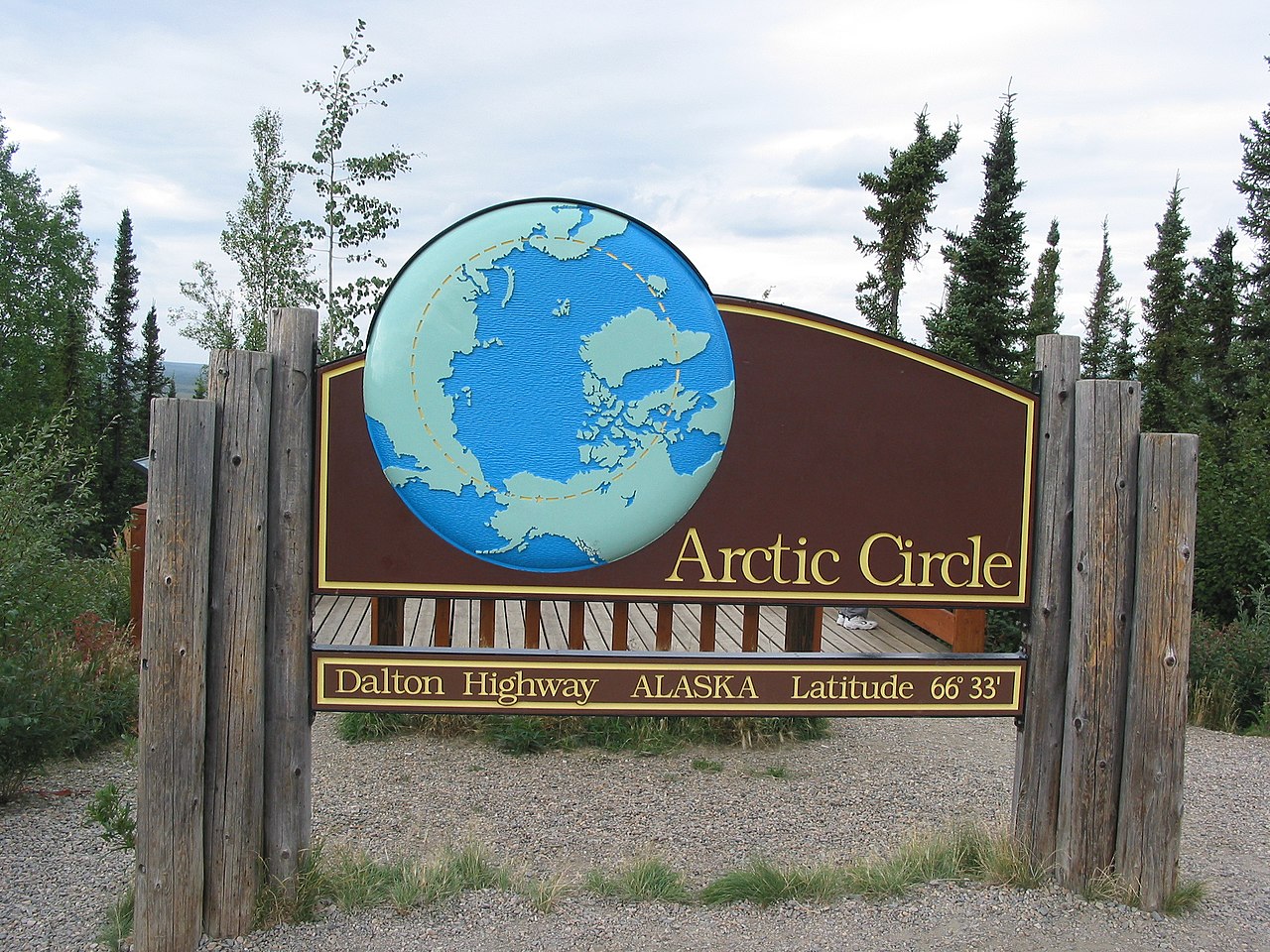
Communities and settlements
The area contains several large administrative areas such as the North Slope Borough, the Northwest Arctic Borough and the Nome Census Area. Small coastal and inland places — collectively described as towns — include settlements like Kotzebue and Nome. Many of these small towns remain isolated, with limited services. Indigenous groups, particularly the Inuit, have long inhabited the region and today make up the majority of the local population in many locations.
Access and transport
Outside of short local roads within a few settlements, there are no continuous highways connecting most communities. Movement of people and goods typically depends on aircraft, seasonal use of snowmobiles, or travel by boat along the coast and on navigable rivers when they are not frozen.
History and economy
Traditional subsistence activities centred on marine resources: frequent runs of salmon, hunting of whales and other marine mammals supported communities for centuries. The late 19th and early 20th centuries brought an influx of outsiders after discoveries of gold. Later, the development of outside industry accelerated following the discovery of significant petroleum reserves on the North Slope; that resource extraction altered local economies and led to new infrastructure and services.
Landscape and climate
Arctic Alaska is dominated by tundra, with low coastal plains and several mountain ranges. Because parts of the region lie above the Arctic Circle, there are extended periods of daylight in summer and prolonged darkness in winter; in some places the sun can remain above the horizon for weeks during summer months.
Wildlife
The region supports wildlife adapted to cold, northern conditions, including brown and polar bears, wolves, Dall sheep and large herds of reindeer, together with extensive populations of migratory birds.
Questions and answers
Q: What is Arctic Alaska?
A: Arctic Alaska is a region in the US state of Alaska, located in the northern area between the Arctic Circle and the Arctic Ocean.
Q: What are some places in Arctic Alaska?
A: Some places in Arctic Alaska are the North Slope Borough, the Northwest Arctic Borough, and the Nome Census Area. Some towns include Prudhoe Bay, Barrow, Kotzebue, and Nome.
Q: How can these places be reached?
A: Most of these places have no highways and can only be reached by aircraft or snowmobile, or by boat if they are on the coast or near a river when they are not frozen.
Q: Who were the first inhabitants of Arctic Alaska?
A: Long ago there were only Inuits living here, who make up the majority of the population.
Q: What did the Inuit tribes eat in Arctic Alaska?
A: They mostly ate salmon, which there are lots of there, and also whales and other marine mammals.
Q: What attracted more people to Arctic Alaska?
A: More people came to Arctic Alaska when gold was discovered there. Still more people and industry came when petroleum was discovered in the area.
Q: What kind of animals can be found in Arctic Alaska?
A: Some of the animals found in Arctic Alaska are bears, wolves, sheep, reindeer, and lots of birds.
Tags
Related articles
Author
AlegsaOnline.com Alaska Arctic Region: Geography, Communities, and Economy Leandro Alegsa
URL: https://en.alegsaonline.com/art/5341