
North Sea: geography, ecology, history and economic importance
An overview of the North Sea: its location, physical features, bordering countries, ecological issues, historical role and contemporary uses including fisheries, shipping, oil and offshore wind.
The North Sea is a marginal sea of the Atlantic Ocean that lies off the northwestern coasts of continental Europe. It occupies a broad, shallow basin on the European continental shelf and connects to the Atlantic through several passages. Throughout history the sea has shaped coastal settlement, trade routes and maritime culture in northern Europe.
Image gallery
10 Images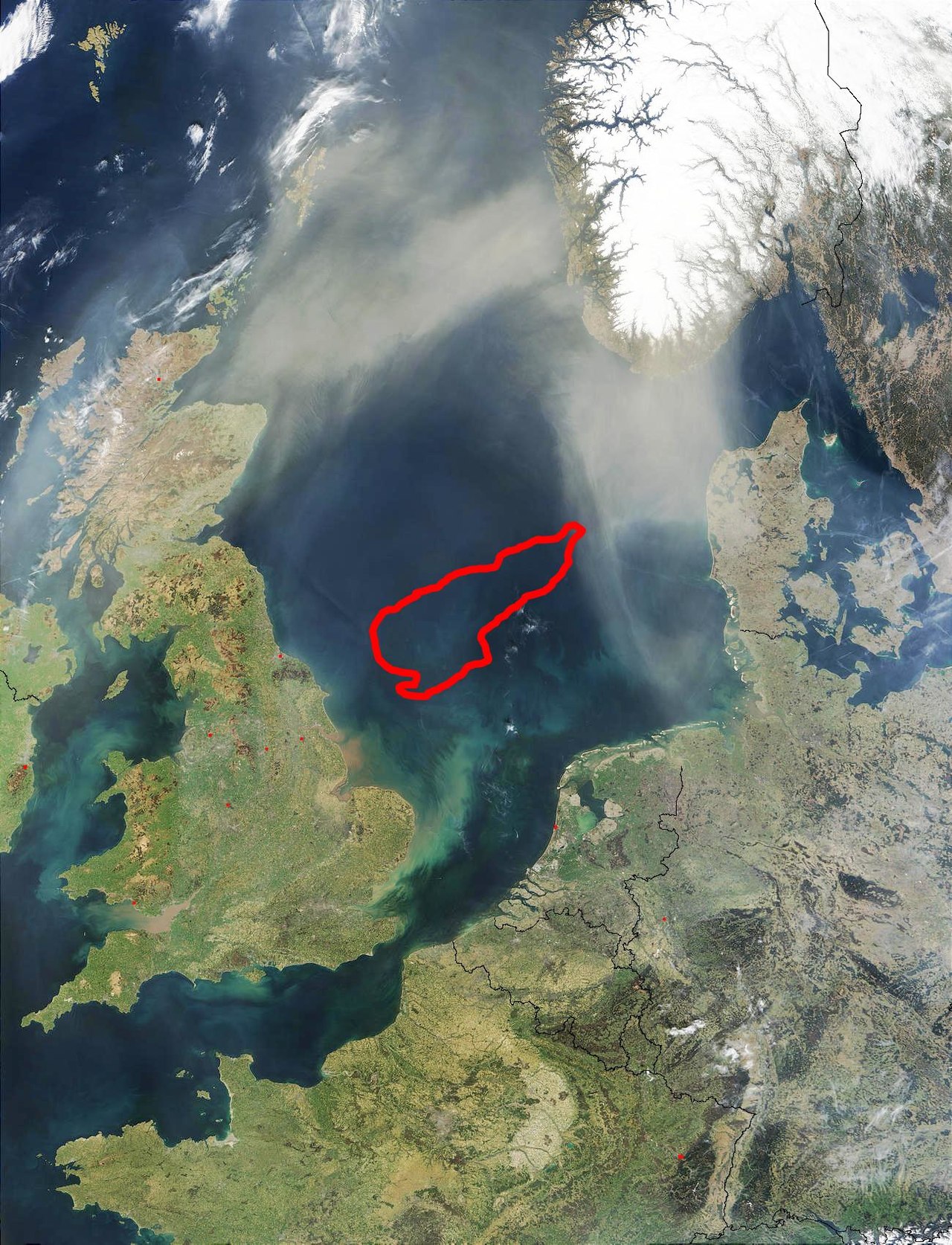



Location and bordering states
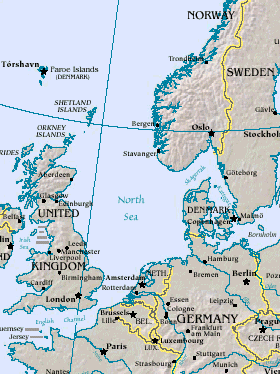
The North Sea is bordered by a number of countries with long maritime traditions. Major neighbours include:
- Norway
- Denmark
- Scotland (part of the United Kingdom)
- England (part of the United Kingdom)
- Germany
- The Netherlands
- Belgium
- France
Physical characteristics
As a continental-shelf sea the North Sea is relatively shallow compared with the open ocean. Its seabed includes sandbanks, mudflats and channels carved by currents and glacial activity. Strong tides, seasonal temperature changes and freshwater input from rivers influence salinity and circulation. These physical conditions create rich habitats that support plankton blooms and diverse marine life.
History, economy and uses
The North Sea has been central to fishing, shipping and trade for centuries. Modern exploitation expanded with the discovery of significant oil and natural gas reserves in the 20th century, which transformed coastal economies and energy supplies. In recent decades offshore wind farms have grown rapidly, making the sea a focus for renewable energy. Other uses include commercial fisheries, sand extraction, naval operations and passenger ferries.
Environment and conservation
The sea faces environmental pressures from overfishing, pollution, habitat loss and the impacts of climate change such as warming waters and sea‑level rise. Cross-border conservation measures, marine protected areas and sustainable fisheries management aim to restore populations and habitats. Ongoing monitoring and international cooperation remain important for balancing economic activity with ecological resilience.
Today the North Sea remains strategically and economically significant for northern Europe. Its combination of busy shipping lanes, energy resources, productive fisheries and expanding offshore renewable projects underlines its continuing role in regional development and environmental stewardship.
Questions and answers
Q: What is the North Sea?
A: The North Sea is a sea that is part of the Atlantic Ocean in northern Europe.
Q: Which countries are located to the east of the North Sea?
A: Norway and Denmark are located to the east of the North Sea.
Q: Which countries are located to the west of the North Sea?
A: Scotland and England are located to the west of the North Sea.
Q: What countries are located to the south of the North Sea?
A: Germany, the Netherlands, Belgium and France are located to the south of the North Sea.
Q: Is the North Sea located entirely in Europe?
A: Yes, the North Sea is located entirely in northern Europe.
Q: How large is the North Sea compared to the Atlantic Ocean?
A: The North Sea is a smaller part of the Atlantic Ocean.
Q: Are there any islands located in the North Sea?
A: Yes, there are several islands located in the North Sea, including the Shetland Islands, the Orkney Islands, and the Faroe Islands.
Related articles
Author
AlegsaOnline.com North Sea: geography, ecology, history and economic importance Leandro Alegsa
URL: https://en.alegsaonline.com/art/70941