
Kalabhra dynasty: the interregnum in early medieval Tamil country
The Kalabhra dynasty ruled parts of the Tamil country in early medieval South India; their period (often called the Kalabhra interregnum) is known mainly from Buddhist and Jain sources and later Tamil records.
Overview
The Kalabhra period denotes a phase in the history of the Tamil-speaking region of South India when the older ruling houses — commonly identified as the Chola, Chera and Pandya polities — were displaced or reduced in influence. The Kalabhras are generally placed between the later centuries of the classical Sangam age and the resurgence of Pallava and Pandya power, and are often dated broadly to the 3rd–7th centuries CE. Because they left few inscriptions or monuments, later Brahmanical records and temple inscriptions largely omit them, and historians refer to this interval as the Kalabhra "interregnum" or sometimes the Tamil "dark age".
Image gallery
5 Images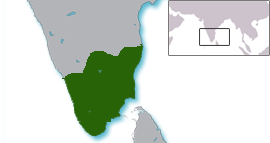


Sources and evidence
Direct contemporary evidence for the Kalabhras is scarce. The principal material for reconstructing their presence comes from non-Brahmanical religious texts and later historical compilations. Important categories of evidence include:
- Accounts in Buddhist and Jain literature that describe political changes and patrons in the region.
- Later Tamil chronicles and commentaries that preserve memories, often hostile or dismissive, of the intervening rulers.
- Archaeological and epigraphic gaps: a relative lack of royal inscriptions and temple endowments attributable to Kalabhra rulers, compared with preceding and succeeding dynasties.
Because of this patchy record, much about their administration, chronology and precise territorial control remains uncertain.
Territory, origins and character
Traditional reconstructions suggest the Kalabhras exercised control across large parts of the Tamil country in southern South India, supplanting or subduing the established houses of the Chola, Chera and Pandya polities. Modern historians disagree about their origins: some view the Kalabhras as an invading group, others as a coalition of local chiefs or a mobile warrior elite who filled a political vacuum. They are often described as non-elitist or heterodox in orientation, drawing patronage from Buddhist and Jain communities rather than the orthodox Brahmanical establishment.
Religious and social impact
Contemporary and near-contemporary sources suggest the Kalabhras were associated with the spread and patronage of Buddhist and Jain institutions in the region. This phase coincides with an increase in evidence for non-Vedic religious activity in Tamil country and the construction or support of monasteries and communities outside the Brahmanical temple system. The absence of substantial temple-building under Kalabhra rule contrasts with the later revivalist activity of the Pallavas and Pandyas, which produced many surviving monuments.
Decline and legacy
By the 7th century CE, the Kalabhra hold on power had weakened, and their territories were gradually reabsorbed by resurgent dynasties such as the Pallavas and the revived Pandyas. Because later court poets and inscriptions emphasize the restoration of orthodox kingship, Kalabhra rule was often downplayed or condemned in medieval records. As a result, much of their political and cultural influence was omitted from dominant historical narratives, giving rise to the notion of a "dark age" or interregnum between classical and medieval Tamil polities.
Historical debate and notable facts
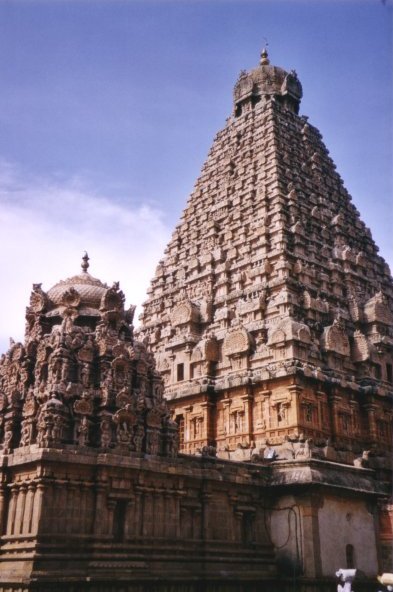
Scholars continue to debate whether the Kalabhras constituted a single dynasty or a series of ruling groups, and whether their rule represented foreign conquest, internal social change, or a temporary restructuring of power. No major royal monuments are securely attributed to them, a fact emphasized in studies that cite the paucity of inscriptions and the lack of surviving stone architecture (monuments). Because surviving narratives were written by later elites, the Kalabhra period must be reconstructed carefully using literary, religious and archaeological clues. For summaries and further reading on the region and dynastic changes, see general surveys of the Tamil country and South Indian history (South India), and specialized discussions of earlier dynasties such as the Chola and Chera.
References to the Kalabhra episode survive mainly outside royal inscriptions; interested readers should consult works on Tamil religious literature and studies of the post-Sangam period for more detailed analyses and the differing interpretations that have shaped modern understanding.
Questions and answers
Q: Who ruled over entire Tamil country in South Indian between the 3rd and the 6th century C.E.?
A: The Kalabhra dynasty ruled over entire Tamil country in South Indian between the 3rd and the 6th century C.E.
Q: Whom did the Kalabhra dynasty replace?
A: The Kalabhra dynasty won over the ancient Chola, Pandya and Chera dynasties and replaced them.
Q: Is there much information available about the Kalabhra dynasty?
A: No, there is little information available about the Kalabhra dynasty in terms of their origin and the details of their reign.
Q: How can we learn about the Kalabhra dynasty?
A: The only source of information on the Kalabhra dynasty is found in Buddhist and Jain literature.
Q: Who displaced the Kalabhra dynasty around the 7th century?
A: The revival of Pallava and Pandya power displaced the Kalabhra dynasty around the 7th century.
Q: Why is the period of the Kalabhra dynasty known as a ‘Dark Age’?
A: The period of the Kalabhra dynasty is known as a 'Dark Age' because there is a lack of information about them and Hindu scholars and authors who wrote about the period of Pallava and Pandya's rule did not mention them in their texts.
Q: Did the Kalabhra dynasty leave any monuments?
A: No, the Kalabhra dynasty did not leave any monuments.
Related articles
Author
AlegsaOnline.com Kalabhra dynasty: the interregnum in early medieval Tamil country Leandro Alegsa
URL: https://en.alegsaonline.com/art/51935