
Frisia: region, people and languages of the North Sea coast
Frisia is a coastal region along the southern North Sea inhabited by the Frisian peoples. It has distinct geography, languages, a medieval history of autonomy, and modern subdivisions within the Netherlands and Germany.
Overview
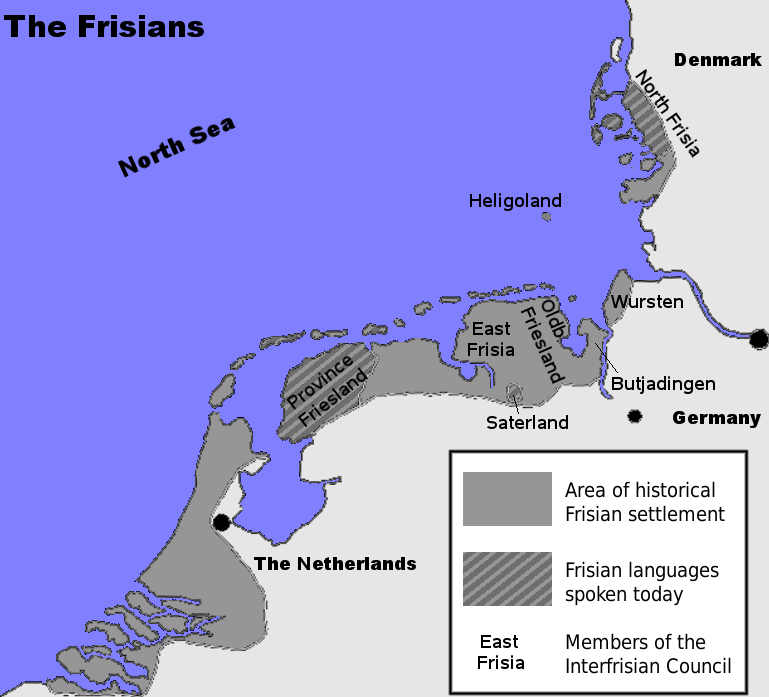
Frisia denotes a historical and cultural region along the southeastern coasts of the North Sea. It stretches across parts of what are now the Netherlands and Germany and historically included areas of present-day Denmark. The name refers both to the territory and to the Frisian peoples who share related languages, traditions and coastal lifeways. Frisia's shoreline, wetlands and islands have played a central role in shaping its identity in trade, fishing and land reclamation.
Image gallery
6 Images


Geography and subdivisions
The Frisian area is not a single political unit but a chain of coastal provinces, islands and inland districts. The region borders the North Sea and includes low-lying polders, tidal flats and barrier islands. Modern administrative parts include the Dutch province of Friesland (Fryslân) and several German districts along the coast; historically it also reached into parts of Jutland.
Languages and cultural traits
Frisia is notable for its linguistic diversity. Several Frisian language varieties survive and are spoken alongside Dutch and German dialects. Major languages and dialects in the area include:
- Frisian (varieties often referred to locally as Frysk)
- Low German dialects such as East Frisian and Gronings
- Standard Dutch in the Netherlands
- German and regional German dialects in Germany
- Danish in historically influenced northern areas
Frisian languages are recognized as minority or regional languages in parts of the Netherlands and Germany, and cultural expressions include folk music, seafaring traditions and distinctive place names.
History and political development
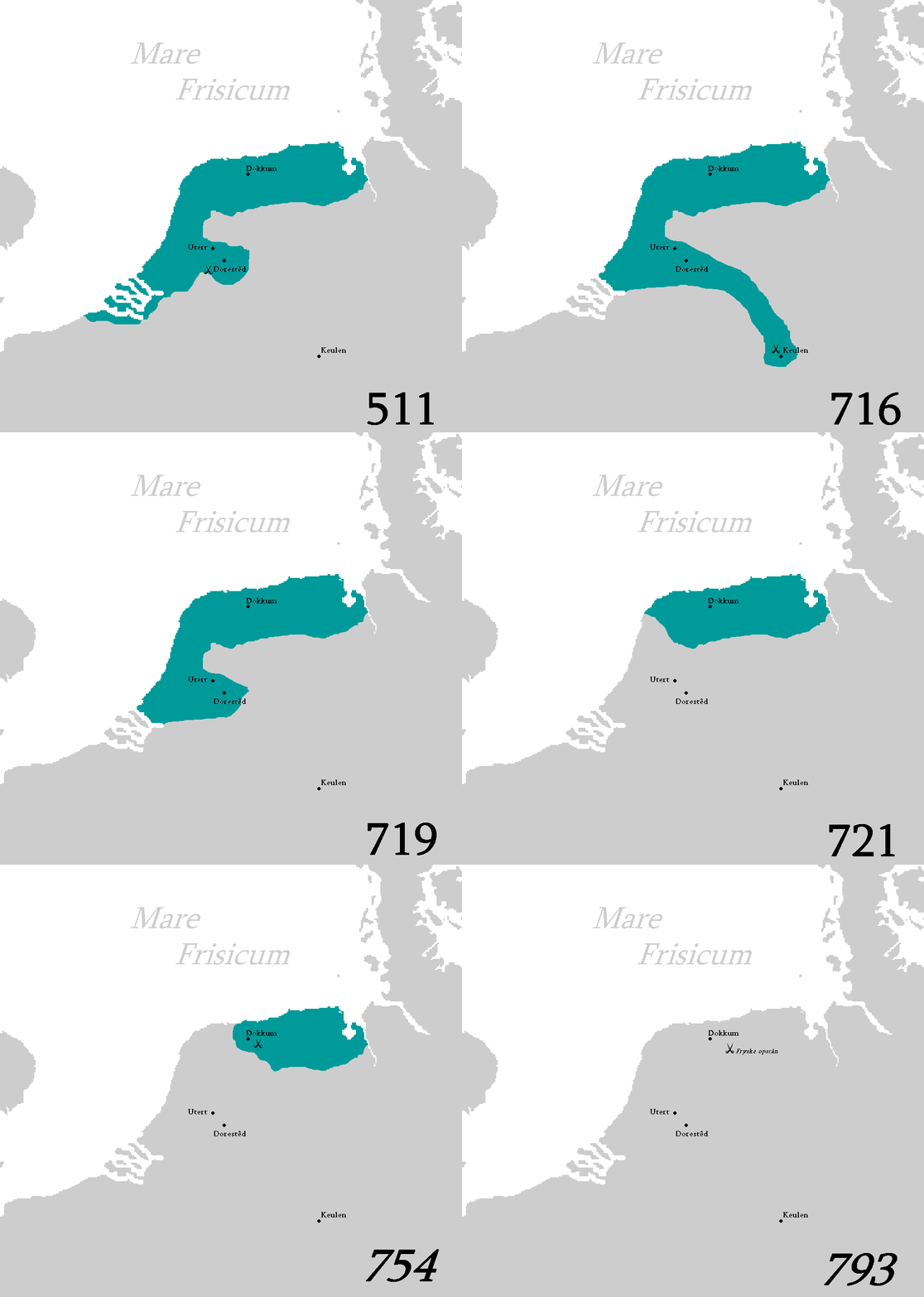
In the Middle Ages Frisia enjoyed varying degrees of autonomy, with local leaders and Frisian freedom traditions resisting feudal imposition. Notable episodes include local uprisings led by figures such as Wijerd Jelckama and Pier Gerlofs Donia, after which parts of the region were brought under Burgundian and later foreign control. Over subsequent centuries the Frisian territories were integrated into emerging nation-states, leading to the modern division between Dutch and German administrations.
Modern significance and distinctions
Today Frisia is important for its cultural heritage, language revival efforts and unique coastal environments. The Dutch province of Fryslân maintains Frisian as an official regional language and promotes traditional arts and local government autonomy. The Frisian coast is also a focus of environmental management, tourism and study of tidal ecosystems. While Frisia no longer exists as a single polity, its people and languages continue to contribute to regional diversity in northwestern Europe.
Related articles
Author
AlegsaOnline.com Frisia: region, people and languages of the North Sea coast Leandro Alegsa
URL: https://en.alegsaonline.com/art/36759