
Kakitsu (Japanese era, 1441–1444)
Kakitsu (嘉吉) was a Japanese era name from February 1441 to February 1444 during Emperor Go-Hanazono’s reign; notable for the Kakitsu Incident and political instability in the Muromachi shogunate.
Overview
Kakitsu (嘉吉) is a Japanese era name (nengō) that spanned from February 1441 through February 1444. It followed the Eikyō era and preceded Bun'an. The reigning sovereign was Emperor Go-Hanazono. As with other era names, Kakitsu served to mark a span of years in court calendars and official records and to give a common designation to events of the period.
Image gallery
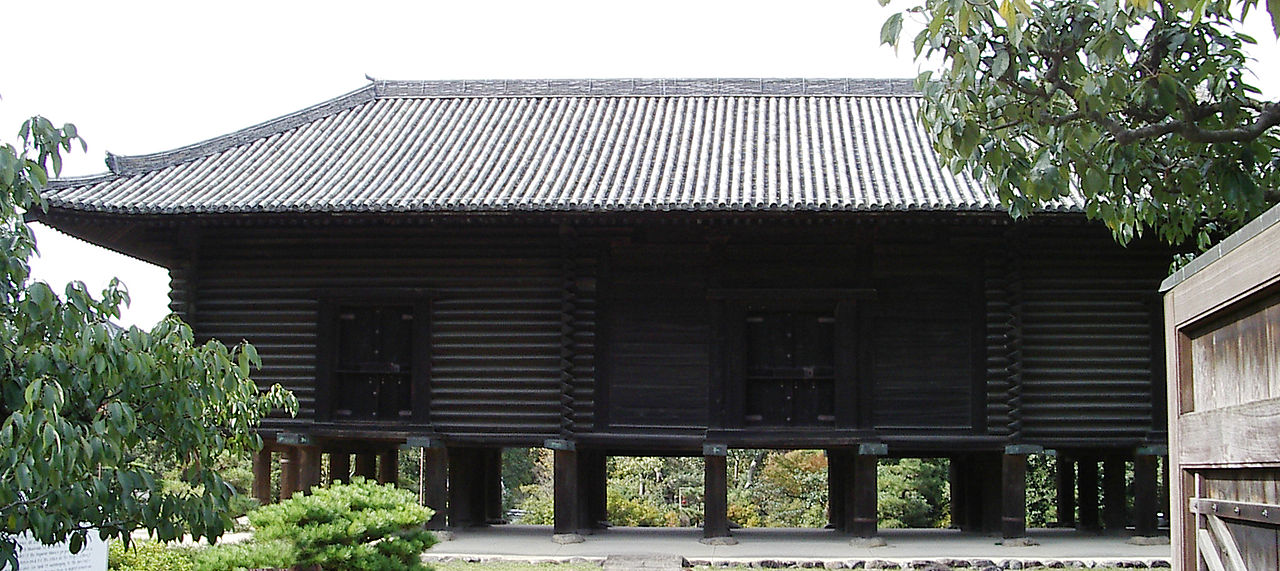
3 Images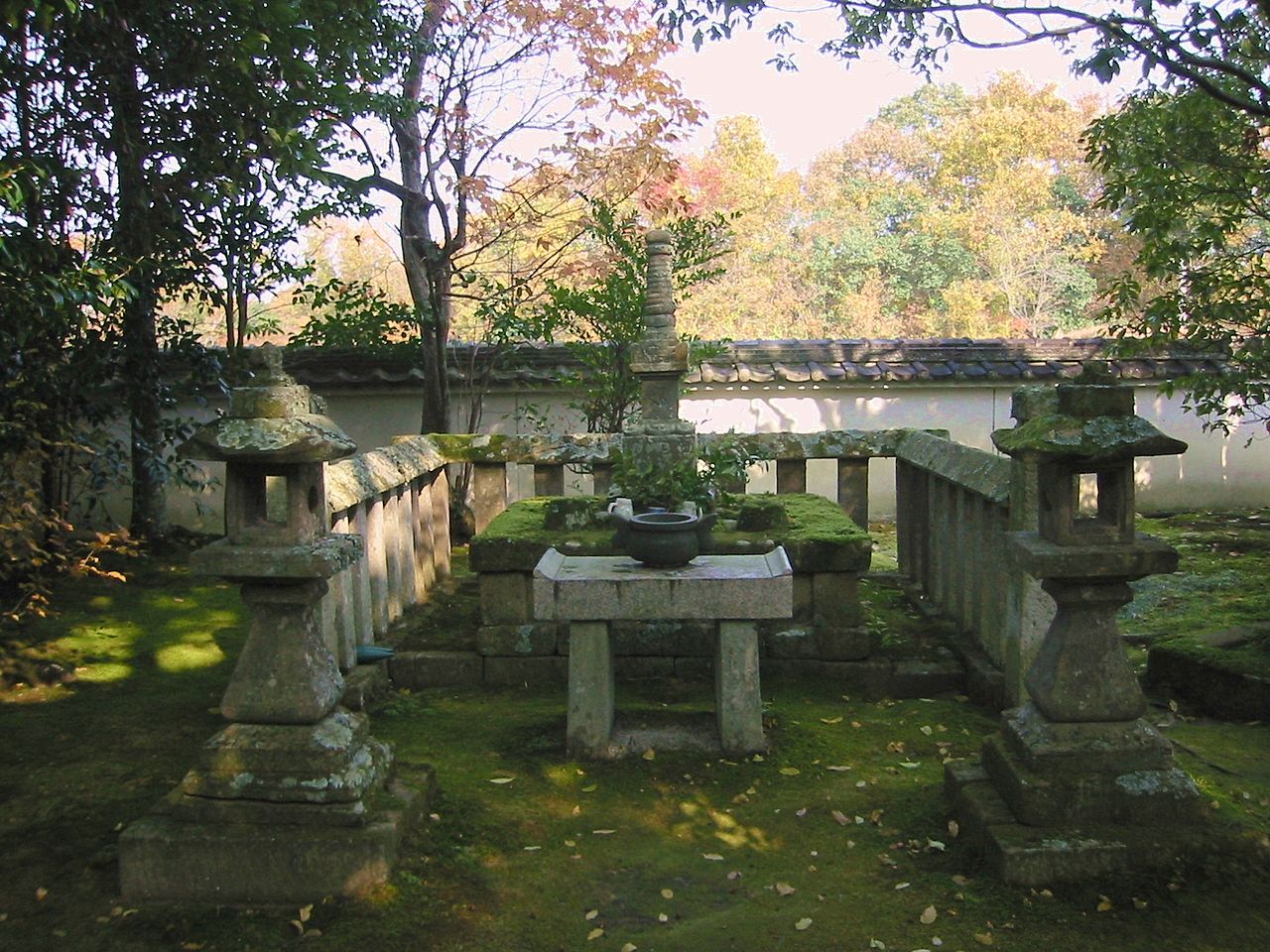

Era name and dating
The nengō system grouped years under a title chosen for auspicious connotations or in response to significant events. The characters 嘉 (ka) and 吉 (kitsu) suggest felicity and good fortune, reflecting the customary desire that an era name project stability. The era was formally proclaimed in early 1441; subsequent documents and chronicles record dates as "Kakitsu 1," "Kakitsu 2," and so on. For background on the practice, see general entries on the nengō system.
Major events and political context
The Kakitsu years fell within the Muromachi period, when real political power was exercised largely by the Ashikaga shogunate rather than by the imperial court. The most consequential occurrence of the era was the Kakitsu Incident of 1441: the assassination of the sixth Ashikaga shogun, an act that destabilized central authority and provoked reprisals and realignments among regional warlords. This turbulence highlighted the fragility of shogunal control and contributed to a pattern of factional struggles that would recur through the fifteenth century.
Consequences and historical significance
Although Kakitsu was brief—only three years—it is often remembered for the crisis that befell the shogunate and for how succession and military responses unfolded in its aftermath. The era is therefore cited by historians as an example of how single violent episodes could accelerate political change during the Muromachi era. Administrative records, temple chronicles and later historical compendia use the Kakitsu dating when describing these events.
Chronology (selected)
- 1441 (Kakitsu 1): Era begins; assassination at the shogunal court and ensuing conflict.
- 1442–1443 (Kakitsu 2–3): Aftermath and efforts to restore order; court and provincial reactions continue.
- February 1444: Era name changes to Bun'an, initiating a new calendrical period.
For readers researching Japanese periodization, Kakitsu illustrates how short eras often concentrate notable events and how the nengō label remains a practical tool for organizing medieval Japanese chronology. Further context on preceding and succeeding eras is available through links to Eikyō and other related entries.
Related articles
Author
AlegsaOnline.com Kakitsu (Japanese era, 1441–1444) Leandro Alegsa
URL: https://en.alegsaonline.com/art/51928
Sources
- books.google.com : "Kaikitsu"
- books.google.com : "Go-Hanazono Tennō,"
- books.google.com : Annales des empereurs du Japon, pp. 331-343.
- books.google.com : p. 339;
- books.google.com : The Cambridge History of Japan: Early Modern Japan, p. 244.
- books.google.com : p. 342.