
Kamakura period (1185–1333): Japan’s first warrior government
Japanese historical era (1185–1333) marked by the Kamakura shogunate, rise of the samurai, Mongol invasions, new legal institutions, and major cultural shifts including Zen influence.
The Kamakura period (1185–1333) marks a fundamental shift in Japanese history from court-centered rule toward military government led from the city of Kamakura. Power was concentrated in the hands of the shogunate, a warrior administration established in practice by the shoguns and formally recognized in 1192 under Minamoto no Yoritomo. This era is commonly treated as the beginning of samurai-led politics and the emergence of institutions that organized land, military obligations and regional authority.
Image gallery
9 Images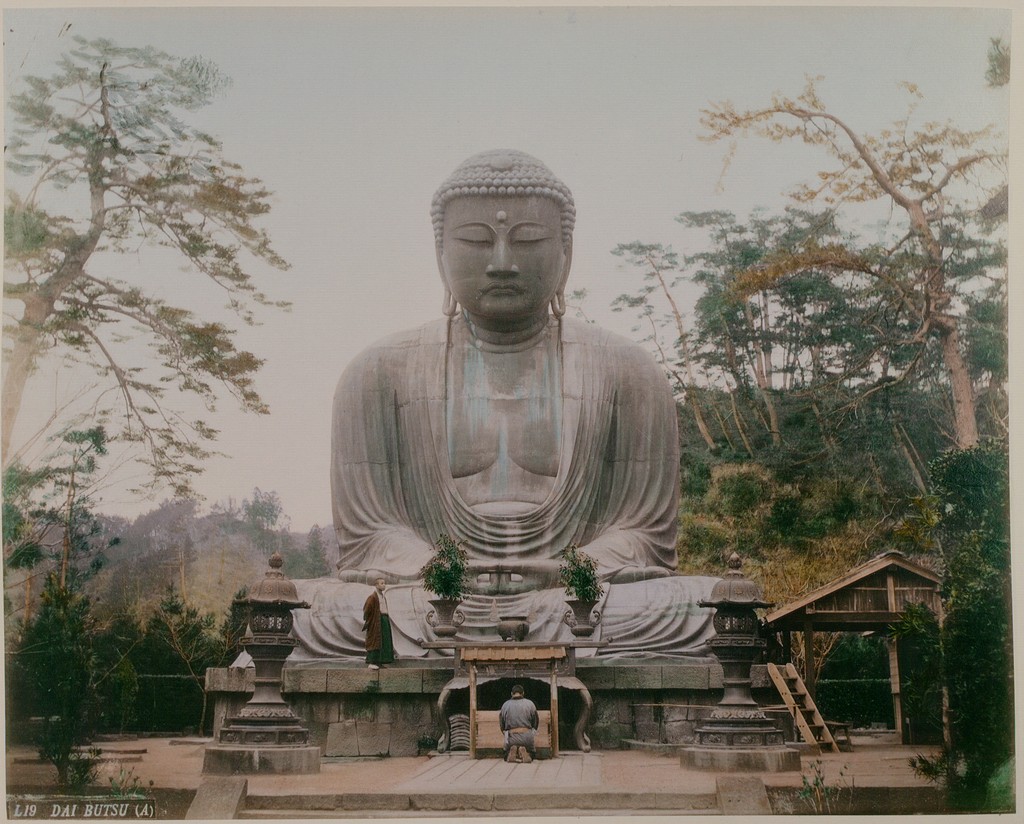


Government, law and society
The Kamakura regime created a dual system in which the imperial court in Kyoto continued ritual and symbolic roles while real political power rested with the bakufu at Kamakura. The ruling structure included the shogun, his direct vassals (gokenin), and powerful regents from the Hōjō family who increasingly directed policy. To regulate disputes among warriors the shogunate issued codes such as the Jōei Shikimoku (a military legal code), and appointed stewards and constables to manage estates. These changes strengthened the social position of provincial warriors and altered patterns of landholding and military service.
Military challenges and the Mongol invasions
The period saw significant armed conflict. The early consolidation of power involved internal wars and the suppression of rival clans, while in the late 13th century Japan repelled two large-scale maritime invasions by forces from the Mongol-led Yuan dynasty in 1274 and 1281. These events, often associated with storms called "kamikaze," strained the shogunate’s finances and forced military and defensive reforms. Read more on the invasions and their impact here.
Religion, culture and arts
Kamakura society experienced notable religious and cultural transformation. New Buddhist movements—such as the Pure Land traditions and the spread of Zen from figures associated with Rinzai and Sōto schools—found particular favor among samurai and urban elites. Zen aesthetics influenced gardens, ink painting, and later tea practices, while literary forms adapted to a more martial age: war tales and Buddhist writing reflected concerns with impermanence and duty. For background on the city and cultural centers, see Kamakura and related resources here.
End of the period and legacy
The Kamakura shogunate collapsed in 1333 after a period of internal tension, fiscal strain following the Mongol threats, and political challenges from the imperial court under Emperor Go-Daigo. His brief restoration of imperial authority highlighted limits to court power and preceded the rise of subsequent military regimes. The Kamakura era’s institutional innovations, warrior ethos, and religious developments had long-lasting effects on Japanese politics, law and culture. For introductions to primary topics, consult summaries on the period, the Kamakura shogunate, biographies of prominent figures like Emperor Go-Daigo, and studies of military leadership such as the shoguns.
- Dates: commonly 1185–1333.
- Key features: samurai rule, bakufu institutions, legal codes.
- Notable events: Mongol invasions (1274, 1281), Hōjō regency, Jōei law reforms.
Related articles
Author
AlegsaOnline.com Kamakura period (1185–1333): Japan’s first warrior government Leandro Alegsa
URL: https://en.alegsaonline.com/art/52022
Sources
- lcweb2.loc.gov : Library of Congress Country Studies, Japan
- lcweb2.loc.gov : "Kamakura and Muromachi periods"
- books.google.com : Japan Encyclopedia
- books.google.com : Japan Encyclopedia
- books.google.com : Japan Encyclopedia
- books.google.com : Japan Encyclopedia
- books.google.com : Japan Encyclopedia
- books.google.com : Japan Encyclopedia
- books.google.com : Japan Encyclopedia
- zen.rinnou.net : What is Zen? History
- books.google.com : Japan Encyclopedia
- jodo.org : "About Honen Shonin"
- books.google.com : Japan Encyclopedia
- washingtontimes.com : "The Great Buddha at Kamakura,"
- books.google.com : Japan Encyclopedia