
Angles (Germanic tribe behind early English identity)
The Angles were a Germanic people from the Angeln region who migrated to Britain in the 5th–6th centuries. Their settlements and language helped form Anglo-Saxon England and gave rise to the name England.
The Angles were a Germanic people who originated in the region historically known as Angeln, on the Jutland peninsula in what is now Schleswig-Holstein in northern Germany and southern Denmark. They are best known for their migration across the North Sea to Britain after the end of Roman rule, a movement frequently dated to the 5th and 6th centuries CE. The Angles were one of several closely related continental groups—including the Saxons, Jutes and Frisians—that settled in various parts of Britain and whose descendants are commonly grouped under the term "Anglo-Saxon."
Image gallery
5 Images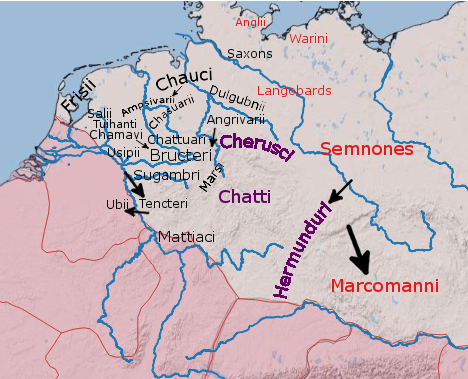



Origins and homeland
Archaeological and linguistic evidence links the Angles to the coastal and inland communities of Angeln. The place-name connection is strong: the tribal name appears to derive from this district, and late antique and early medieval writers identify Angeln as a point of origin. Their homeland featured mixed farming, maritime activity and craft production typical of Germanic societies north of the Roman frontier.
Migration and settlement
Following the Roman withdrawal from Britain around 410 CE, groups from across the North Sea crossed to Britain in waves. The Angles settled in various territories that later became known by names reflecting their presence: most famously East Anglia, but also areas of what became Mercia and Northumbria. Their arrival and settlement were uneven and complex, involving both peaceful settlement and armed conflict with existing populations.
Society, language and culture
The Angles shared material culture and social structures with other Germanic settlers: kin-based communities, warrior elites, and an agricultural economy supplemented by craft and seafaring. Their dialects contributed directly to Old English; over generations, these dialects blended with those of the Saxons and Jutes to produce the early English language. Many elements of Anglo-Saxon law, art and place-names trace back to the cultural mix established in this period.
Legacy and name
One of the clearest legacies of the Angles is linguistic: the name England derives from Englaland (land of the Angles). The kingdom of East Anglia preserves the tribal name into the medieval period. Through language, legal customs and political formations, the Angles helped shape what became medieval and later England, and their influence persists in English place-names, dialects and historical identity.
Research, sources and distinctions
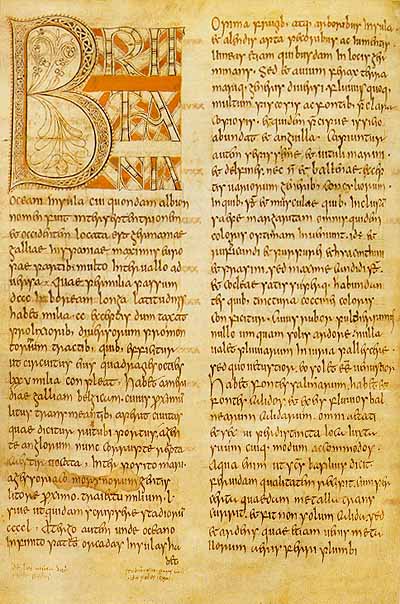
Primary written sources for the Angles include early medieval historians and chroniclers; archaeology provides material evidence of settlement patterns, grave goods and pottery. Modern scholarship treats the Angles as one component of a larger migration and transformation of post-Roman Britain rather than as a single unified people who "invaded" in a simple way. It is also important to distinguish "Angles" (the specific tribal grouping) from the broader label "Anglo-Saxon," which encompasses several related groups and their descendants.
Related articles
Author
AlegsaOnline.com Angles (Germanic tribe behind early English identity) Leandro Alegsa
URL: https://en.alegsaonline.com/art/4177