
Kaei era (1848–1854): late Edo Japan and the approach of Western contact
Kaei (嘉永) was a Japanese era from February 1848 to November 1854 during the reign of Emperor Kōmei. It is noted for internal reform attempts and the opening pressures from Western powers, including Commodore Perry.
The Kaei era (Japanese: 嘉永) was a nengō — a Japanese era name — that spanned from February 1848 until November 1854. The period corresponds to the late Edo (Tokugawa) period and coincided with rising internal tensions in Japan and increasing encounters with Western powers. The era name Kaei is commonly rendered in English as "Celebration of Eternity" or "Eternal Felicity," reflecting the traditional practice of choosing auspicious titles for years.
Image gallery
2 Images
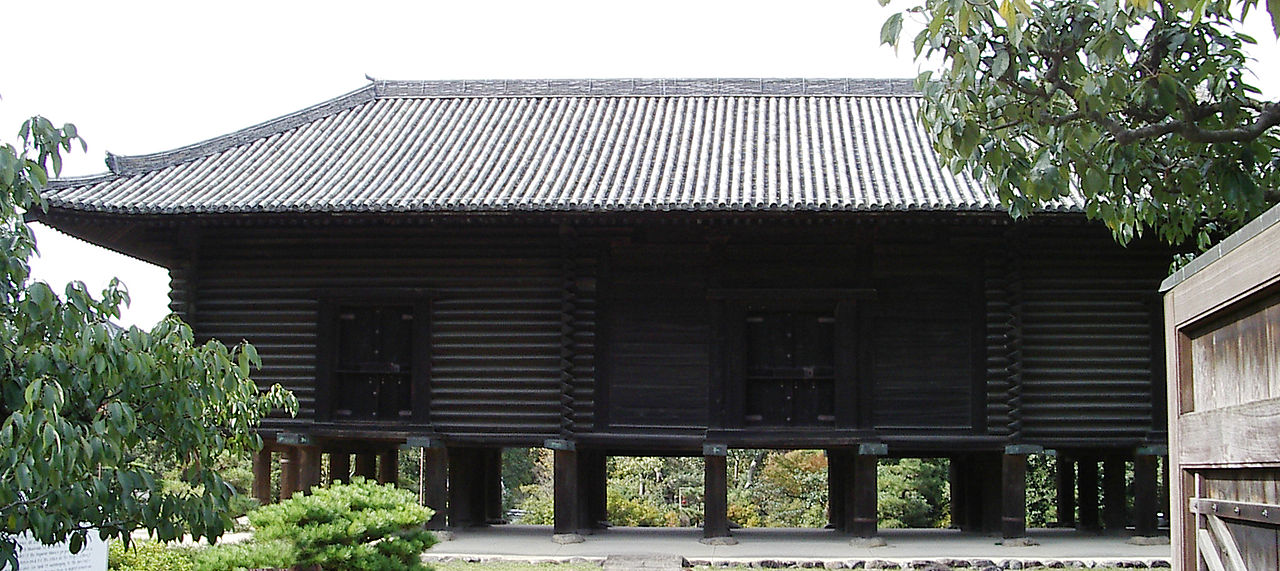
Nengō and historical context
In Japan the nengō system assigns a name to a span of years and is used alongside the regnal era of the emperor. The Kaei era followed the Kōka era and preceded the Ansei era. For background on the system of era names see era names and their use. The change of an era name could be prompted by a range of events, from auspicious omens to political considerations.
Politics, society and the imperial house
The reigning emperor during Kaei was Emperor Kōmei (Kōmei-tennō), who ascended the throne shortly before this era and whose reign overlapped a turbulent time. Real political authority remained with the Tokugawa shogunate, which faced fiscal strain, natural disasters and popular unrest. Leadership within the shogunate also shifted in this period, and debates about how to respond to foreign ships and demands intensified within ruling circles.
Notable events and foreign contact
- 1848–1854: Ongoing social and economic pressures in the countryside and cities, including complaints about taxation and crop failures that fed reformist calls.
- 1853: The arrival of U.S. Commodore Matthew Perry and his squadron of steam-powered ships is among the best-known episodes of the era; this showed the military and diplomatic pressure Western states could exert.
- 1854: Negotiations with foreign powers led toward formal agreements that opened select Japanese ports to American vessels and others, a development completed as Kaei ended and Ansei began.
Culture, learning and modernization pressures
Kaei overlapped a period when rangaku ("Dutch learning") and other studies of Western science and technology were increasingly discussed among some samurai and scholars. These intellectual currents, together with practical encounters at sea, contributed to later debates about modernization, military reform and Japan’s place in international diplomacy.
Significance and legacy
Although brief, the Kaei era is remembered as a turning point in late-Edo history: it contains immediate prefaces to the treaties and changes that would transform Japan’s external relations and accelerate domestic political realignments. The era is typically considered in sequence with the preceding Kōka (Kōka) and subsequent Ansei (Ansei) eras when tracing mid-19th-century developments.
For readers seeking more details about chronological placement, diplomatic incidents, or biographies of leading figures, consult general overviews of late-Edo Japan and specialized studies of the 1853–1854 diplomatic contacts that marked the end of Japan’s long period of seclusion.
Related articles
Author
AlegsaOnline.com Kaei era (1848–1854): late Edo Japan and the approach of Western contact Leandro Alegsa
URL: https://en.alegsaonline.com/art/51870
Sources
- books.google.com : "Kaei"
- books.google.com : "Kōmei Tennō,"
- books.google.com : Dawn to the West: Japanese Literature of the Modern Era; Poetry, Drama, Criticsm, p. 393.
- books.google.com : Japan 1853-1864, Or, Genji Yume Monogatari, p. 11.
- books.google.com : Military Industries of Japan, p. 13.