
Jacques Cartier: Explorer of the St. Lawrence and early claimant of New France
Jacques Cartier (1491–1557) was a French navigator whose three voyages opened European knowledge of the St. Lawrence region and led to France's early claims in eastern North America.
Overview
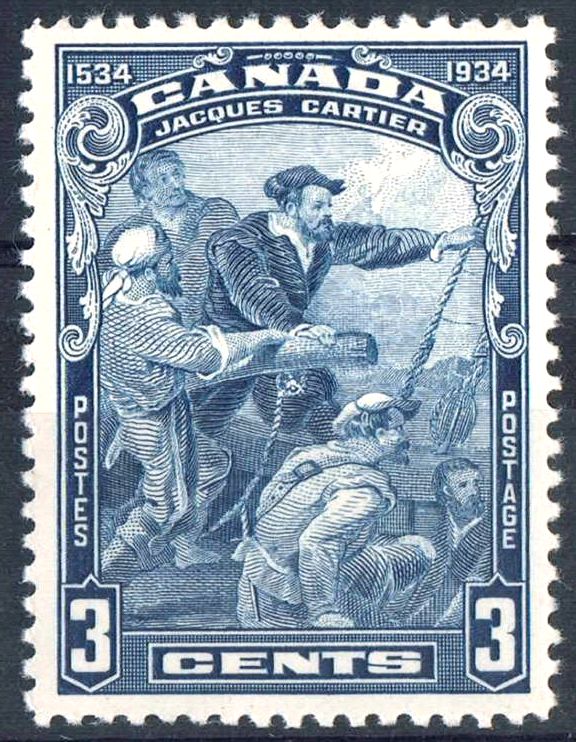
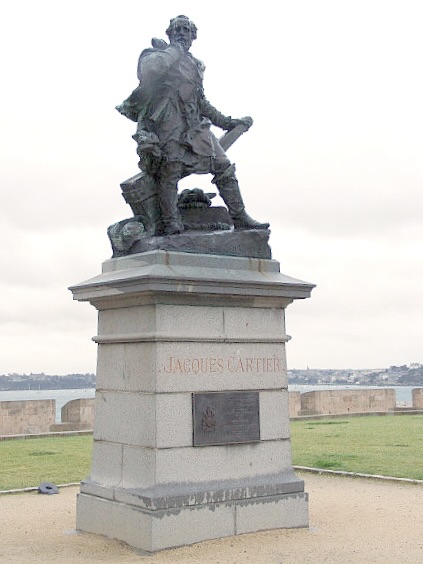
Jacques Cartier was a seafarer and navigator from Saint-Malo in Brittany, born in 1491 and active during the first half of the 16th century. Commissioned by King Francis I of France, he led three major expeditions to what Europeans called the New World. Cartier combined exploration, maritime skill and rudimentary mapping to chart coasts and riverways that were previously unknown to most Europeans, and his voyages contributed to France's later territorial claims in eastern North America.
Image gallery
10 Images




Voyages and discoveries
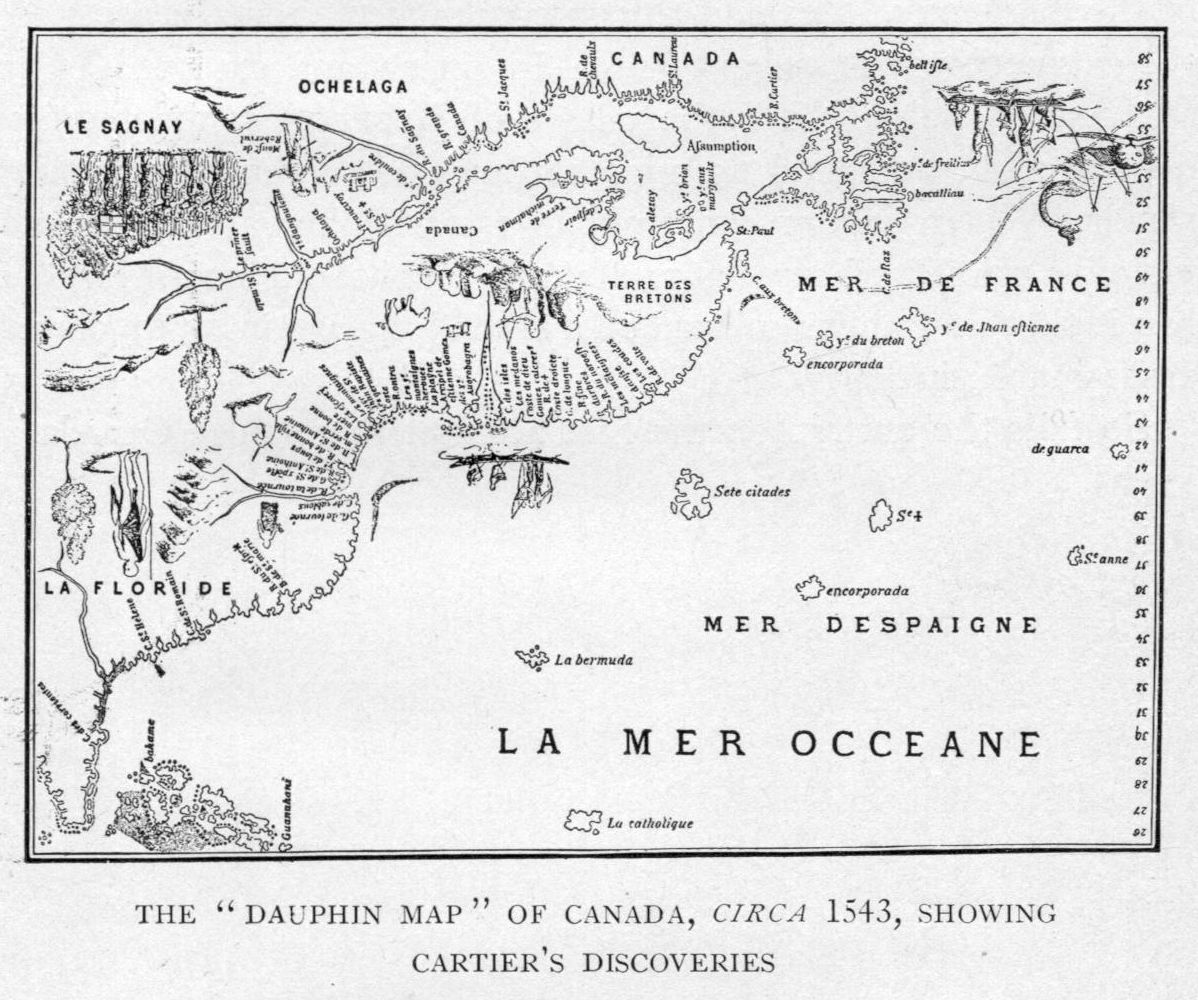
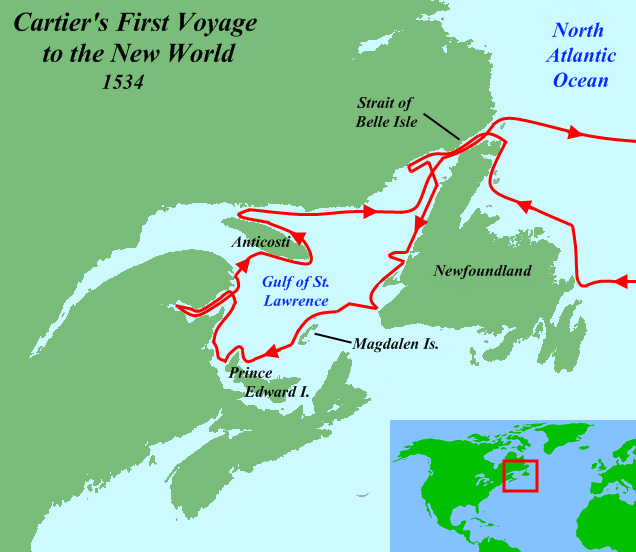
Between 1534 and the early 1540s Cartier undertook three voyages. On his first voyage (1534) he sailed along the Gulf of St. Lawrence, visited parts of what are now Newfoundland and the coast of Labrador, and is credited with being the first documented European to see Prince Edward Island. He also encountered and ascended the mouth of the St. Lawrence River, a waterway that would later become central to French colonization efforts.
- First voyage (1534): reconnaissance of the Gulf and coastal points; symbolic claim for France, including the raising of a cross at Gaspé.
- Second voyage (1535–1536): farther upstream into the St. Lawrence, reaching the site called Hochelaga (near modern Montreal) and spending a winter during which contacts with Indigenous communities intensified.
- Third voyage (1541–1542): an attempted colonization effort that carried settlers and supplies but ultimately failed to establish a lasting settlement.
Contacts with Indigenous peoples
Cartier's expeditions brought him into sustained contact with several Indigenous nations. He met peoples the French called the First Nations and recorded information about societies such as the St. Lawrence Iroquoians and the Wendat (often called Huron or Wyandot in later sources). On his first voyage he took two sons of a Wendat leader, Donnacona, back to France; Donnacona himself was later taken to Europe, where he died. These episodes reflect both the curiosity and the coercive practices of early European exploration.
Attempts at colonization and consequences
Cartier planted a cross to mark French possession of claimed lands and on his third voyage tried to establish a colony on territory inhabited by Indigenous peoples. The settlement effort was hampered by poor planning, disease (including scurvy), harsh winters and deteriorating relations with local communities, and the French returned to Europe. Despite these setbacks, Cartier's charts and reports convinced the French crown that France had a basis for asserting rights over parts of eastern North America.
Legacy and historical significance
Cartier's mapping of the St. Lawrence seaway and his written reports were important to later navigators and colonists. The word "Canada" — derived from a local Iroquoian term often rendered as kanata, meaning "village" — first entered European usage during the period of these early contacts. Historians recognize Cartier both for opening European knowledge of a vast river system and for the ambiguities of his encounters: he was an agent of exploration and imperial claim, and his voyages had lasting effects on Indigenous communities and European imperial rivalry with powers such as Spain and Portugal.
Notable facts and distinctions
- Cartier made three documented voyages to the region now known as Canada.
- He is often credited with the first European descriptions of the St. Lawrence River and with reaching the site of modern Montreal (Hochelaga).
- His early interactions included taking Indigenous individuals to Europe and raising a symbolic cross to assert royal claims.
- Later French control in eastern North America was justified in part by Cartier's reports and charts.
Related topics and quick links
- French trader and explorer
- Saint-Malo (birthplace)
- Brittany
- Canada (region of exploration)
- First European sightings
- Prince Edward Island
- St. Lawrence River
- Hochelaga / Montreal
- First Nations / Indigenous peoples
- New World
- Spain (contemporaries)
- Portugal (contemporaries)
- King Francis I
- France
- Americas
- Reported inland claims
- French colonization attempts
Related articles
Author
AlegsaOnline.com Jacques Cartier: Explorer of the St. Lawrence and early claimant of New France Leandro Alegsa
URL: https://en.alegsaonline.com/art/49035
Sources
- thecanadianencyclopedia.com : "Cartier, Jacques"