
Prince Edward Island (PEI) — Canadian province overview
Prince Edward Island (PEI) is Canada’s smallest province, known for its red soil, agriculture, coastal landscapes, and cultural ties to Anne of Green Gables and the Charlottetown Confederation meeting.
Overview
Prince Edward Island (commonly abbreviated PEI) is a maritime province of Canada located on the country's east coast. The island is the smallest of Canada’s provinces geographically and in population, yet it has a distinct identity shaped by coastal landscapes, farming, and a strong local culture. Its French name is often given as Île-du-Prince-Édouard, and the island is officially a province within the Canadian federation.
Image gallery
10 Images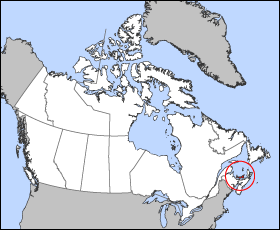


Geography and environment
PEI is long and narrow: roughly 224 kilometres in length and varying between about 4 and 60 kilometres in width. Its shoreline is highly indented, featuring sandy beaches, dunes, and red sandstone cliffs. The island’s fertile red soils support a landscape of fields, hedgerows and small wooded areas. The provincial capital and largest urban centre is Charlottetown, situated on the island’s southern shore.
History and identity
The island was named in honour of Prince Edward, a son of King George III, and it has played a notable role in Canadian history. In 1864 the Charlottetown Conference brought together delegates who would later shape Confederation; for that reason PEI is often described as a birthplace of Canadian federal union and remains proud of that heritage. The province joined the Dominion of Canada in 1873.
Economy and uses
Agriculture is central to PEI’s economy—potato farming is a major activity along with mixed crops and livestock. The surrounding Gulf and Northumberland Strait support commercial fisheries and aquaculture. Tourism is also important: visitors come for coastal scenery, seafood, and cultural attractions including sites tied to literature and local history.
Culture and notable associations
Most residents speak English, and the island retains Acadian and Gaelic influences in some communities; a French-speaking population also maintains cultural institutions. PEI is internationally associated with Lucy Maud Montgomery’s novels—most famously Anne of Green Gables—which draw literary tourism. The island’s cultural life includes festivals, music, and traditional crafts.
Practical distinctions and facts
- Size and scale: smallest Canadian province by area and population; rural and community-oriented.
- Government: functions as a province within Canada with a legislative assembly and provincial services.
- Transport and access: connected to the mainland by ferry services and the Confederation Bridge, supporting trade and travel.
For further reading on the island’s language heritage, governance and tourist information see entries on the province’s name and status at language and demographics, historical summaries at the Charlottetown Conference, regional overviews at provincial comparisons, and cultural resources about literature and attractions at local literature guides and archival sources at Anne of Green Gables sites. Additional administrative and civic details are available from provincial portals and municipal pages at Charlottetown and regional tourism authorities at government.
Related articles
Author
AlegsaOnline.com Prince Edward Island (PEI) — Canadian province overview Leandro Alegsa
URL: https://en.alegsaonline.com/art/79159
Sources
- statcan.gc.ca : "Land and freshwater area, by province and territory"
- www12.statcan.ca : "Population and dwelling counts, for Canada, provinces and territories, 2011 and 2006 censuses"
- www40.statcan.ca : "Gross domestic product, expenditure-based, by province and territory"