
Francis I of France (1494–1547)
King of France from 1515 to 1547; central figure of the French Renaissance, rival of Charles V, patron of the arts, and architect of royal administration and religious concord with the papacy.
Overview
Francis I (born 12 September 1494, died 31 March 1547) was King of France from 1515 until his death. A member of the House of Valois, he is often remembered as a Renaissance monarch whose reign combined military ambition, dynastic rivalry and vigorous cultural patronage. His rule helped shape the modern French state and the country's role in European politics during the 16th century.
Image gallery
10 Images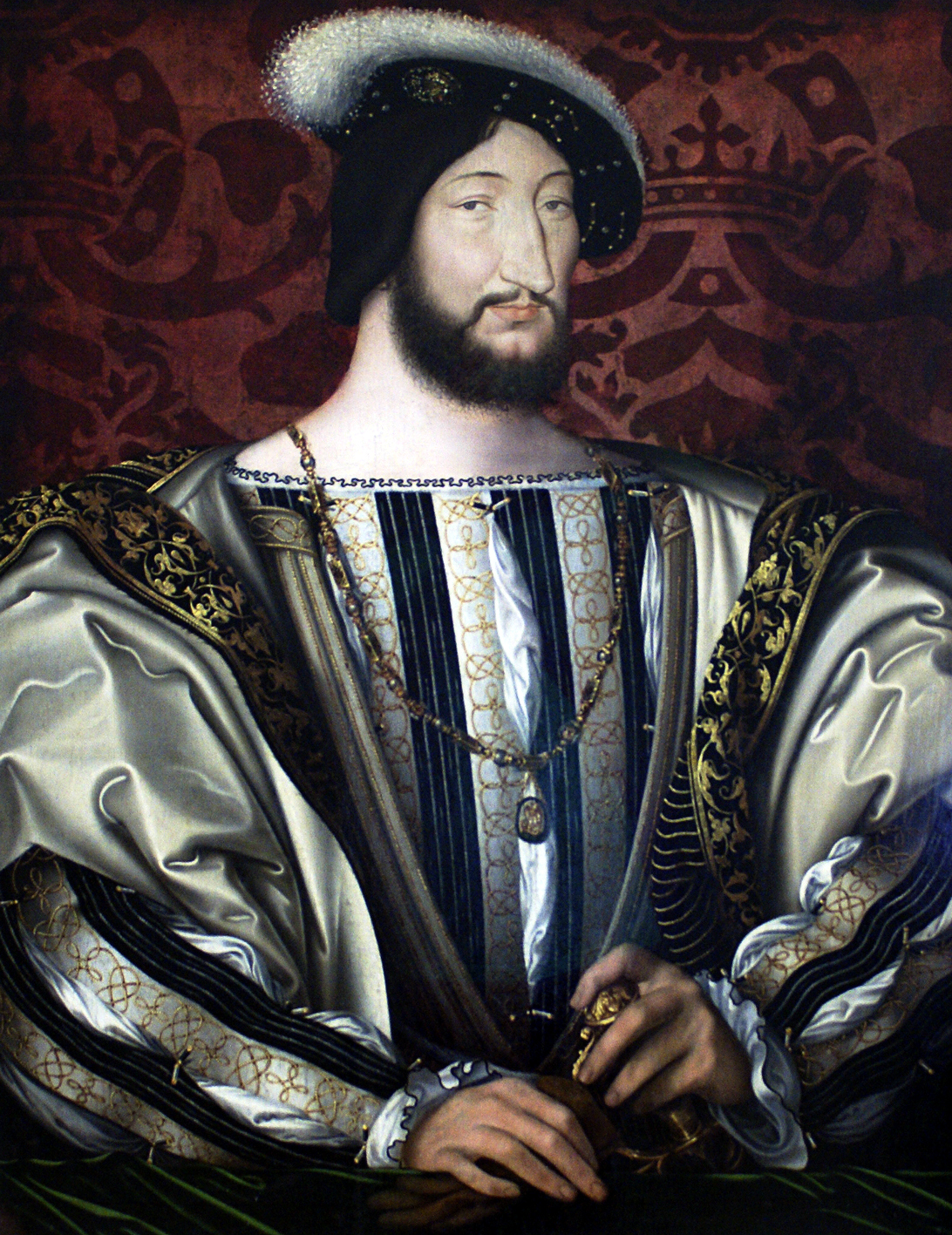


Military campaigns and diplomacy
Francis's foreign policy was dominated by prolonged conflict with the Habsburg emperor Charles V. He led French forces into the Italian Wars, winning a celebrated victory at the Battle of Marignano (1515) early in his reign. That success was followed by setbacks, most notably his capture at the Battle of Pavia (1525) and subsequent imprisonment, which produced an uneasy peace and shifting treaties. Throughout his reign he sought new alliances, including a controversial rapprochement with the Ottoman Empire, to counterbalance Habsburg power.
Administration and religion
At home Francis worked to strengthen royal authority, centralize administration and expand the crown's finances. He concluded the Concordat of Bologna (1516) with Pope Leo X, securing the king's right to nominate bishops and abbots in France and thereby increasing royal control over the church within his realm. His policies helped lay foundations for a more centralized, bureaucratic monarchy.
Patron of the arts
Francis is widely associated with the French Renaissance. He invited leading Italian artists and thinkers to his court, acquired manuscripts and paintings for a royal library, and sponsored ambitious building projects such as additions to Fontainebleau and the initiation of Château de Chambord. His patronage attracted figures like Leonardo da Vinci and encouraged the spread of Renaissance art and humanist learning in France.
Notable facts and legacy
- Francis promoted the French language and court culture, elevating French as a language of administration and diplomacy.
- He left a mixed military record but a lasting cultural and institutional legacy; his son Henry II succeeded him.
- His alliances and rivalries reshaped European diplomacy and set patterns that influenced later state-building in France.
Remembered both for chivalric image and pragmatic statecraft, Francis I remains a key figure for understanding the transition from medieval kingship to early modern monarchy and the flowering of Renaissance culture in northern Europe.
Related articles
Author
AlegsaOnline.com Francis I of France (1494–1547) Leandro Alegsa
URL: https://en.alegsaonline.com/art/36046