
Saint-Malo: Historic Walled Port City in Brittany, France
Saint-Malo is a fortified port city on Brittany's northern coast. Renowned for its ramparts, seafaring history, corsairs and summer tourism, it remains an important cultural and maritime center.
Saint-Malo is a historic walled port and coastal city on the northern shore of Brittany, in France. Its year-round population is around fifty thousand, but numbers swell in summer to nearly two hundred thousand with visiting tourists. The town is best known for its stone ramparts, maritime heritage and lively seaside atmosphere.
Image gallery
10 Images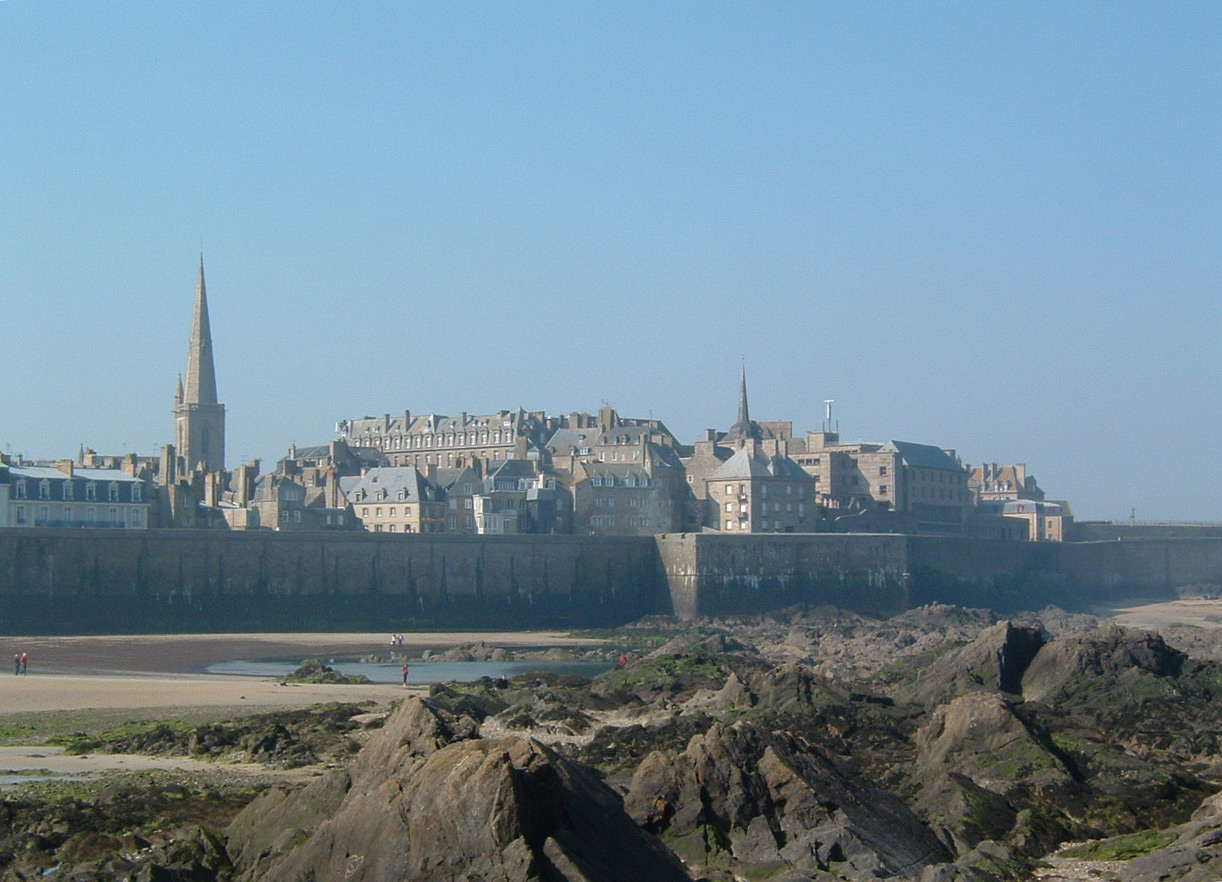


Overview
Located on a rocky headland with broad tidal flats, Saint-Malo combines an inner fortified quarter—often called "intra-muros"—with newer neighbourhoods, a working harbour and marinas. Administratively it sits within the Ille-et-Vilaine department and functions as a regional hub for culture, maritime services and coastal travel.
Characteristics and landmarks
- Intra-muros: a compact medieval center surrounded by accessible ramparts offering sea views.
- Beaches and promenades: long sandy stretches and promenades favored by locals and visitors.
- Historic sites: tidal islets, old forts and burial islets near the shore.
- Port activities: fishing, yachting, ferries and recreational boating shape the waterfront.
Walking the ramparts reveals granite architecture and a mix of narrow streets, shops and museums. The harbour area blends commercial quays with pleasure craft, and seasonal ferries connect the city with other Channel destinations.
History and notable people
The town takes its name from a 6th-century saint, and developed as a fortified trading and seafaring center in the Middle Ages. From the early modern period it gained a reputation for privateering—state-sanctioned maritime raiding—which helped enrich merchant families. Explorers and writers associated with the town include maritime navigators and prominent cultural figures born or linked to the area. Saint-Malo suffered heavy damage during World War II and was extensively rebuilt, with many historic façades restored in local stone.
Today Saint-Malo's economy relies on tourism, maritime industries and services. It hosts cultural events and fairs, offers seafood and regional cuisine, and serves as a gateway to nearby coastal attractions. Strong tidal ranges and changing sea levels are notable natural features that shape both daily life and recreational patterns along the coast.
Related articles
Author
AlegsaOnline.com Saint-Malo: Historic Walled Port City in Brittany, France Leandro Alegsa
URL: https://en.alegsaonline.com/art/85858