
Apiaceae (Umbellifers): the carrot family and its significance
Apiaceae, or umbellifers, is a widespread family of aromatic, often hollow-stemmed flowering plants that includes many culinary herbs, vegetables and a few toxic species noted for phototoxicity.
The Apiaceae, commonly called the carrot or parsley family and often referred to as umbellifers, is a large group of flowering plants notable for their umbrella-like inflorescences. Members range from familiar kitchen plants to wild species. Estimates of family size vary with different treatments, but the group contains on the order of a few thousand species distributed across several hundred genera (source, taxonomy).
Image gallery
8 Images


Key characteristics
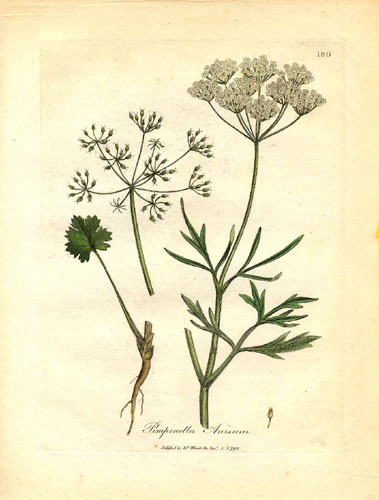
Plants in this family are usually herbaceous and often have hollow stems, pinnate or dissected leaves with sheathing bases, and compound umbels of small flowers. The individual flowers are typically small and actinomorphic, and the dry fruit is a schizocarp that splits into two one-seeded mericarps when mature. Many species produce volatile oils or other aromatic compounds that give them distinctive scents and flavors.
Common and notable species
These and many other genera are important in cuisines worldwide, supplying leaves, seeds, roots or stems as herbs, spices and vegetables.
Uses and importance
Apiaceae species have wide culinary, aromatic and sometimes medicinal uses. Some are cultivated for their edible roots (for example carrot and parsnip), leaves (parsley, cilantro), stalks (celery) or seeds and fruits (fennel, anise, cumin). The family also contributes essential oils used in flavoring and perfumery. Because many members are easy to cultivate and produce flavorful compounds, they are prominent in both small gardens and commercial agriculture.
Toxicity and cautions
Not all umbellifers are safe to eat. A small number of species are poisonous; historically notable is poison hemlock (hemlock), which has been associated with serious toxicity. Several species produce phototoxic compounds, especially furanocoumarins, that can cause chemically induced skin reactions when exposed to sunlight. Phototoxicity is a light-dependent irritation rather than an immune response, and it differs from allergic contact dermatitis (mechanism, explanation).
Overall, Apiaceae are a temperate-centered family whose members are familiar in daily life as spices, herbs and vegetables, but which also include forms that require caution. Gardeners, foragers and agricultural workers are advised to learn distinguishing features of edible versus hazardous species before harvesting wild plants.
Related articles
Author
AlegsaOnline.com Apiaceae (Umbellifers): the carrot family and its significance Leandro Alegsa
URL: https://en.alegsaonline.com/art/4880