
Celery: characteristics, uses, history, and varieties
Celery is a crisp, aromatic vegetable (Apiaceae) eaten raw or cooked. Covers its parts, varieties, cultivation, culinary uses, nutrition and notable facts, with links for further reading and recipes.
Overview
Celery (family Apiaceae) is a leafy, stalked vegetable grown for its crunchy petioles, flavorful leaves and, in some cultivars, enlarged roots (celeriac). It is widely eaten raw in salads and snacks, cooked in soups and stews, and used as an aromatic base in many cuisines. For a general reference on cultivation and varieties, see more on celery.
Image gallery
8 Images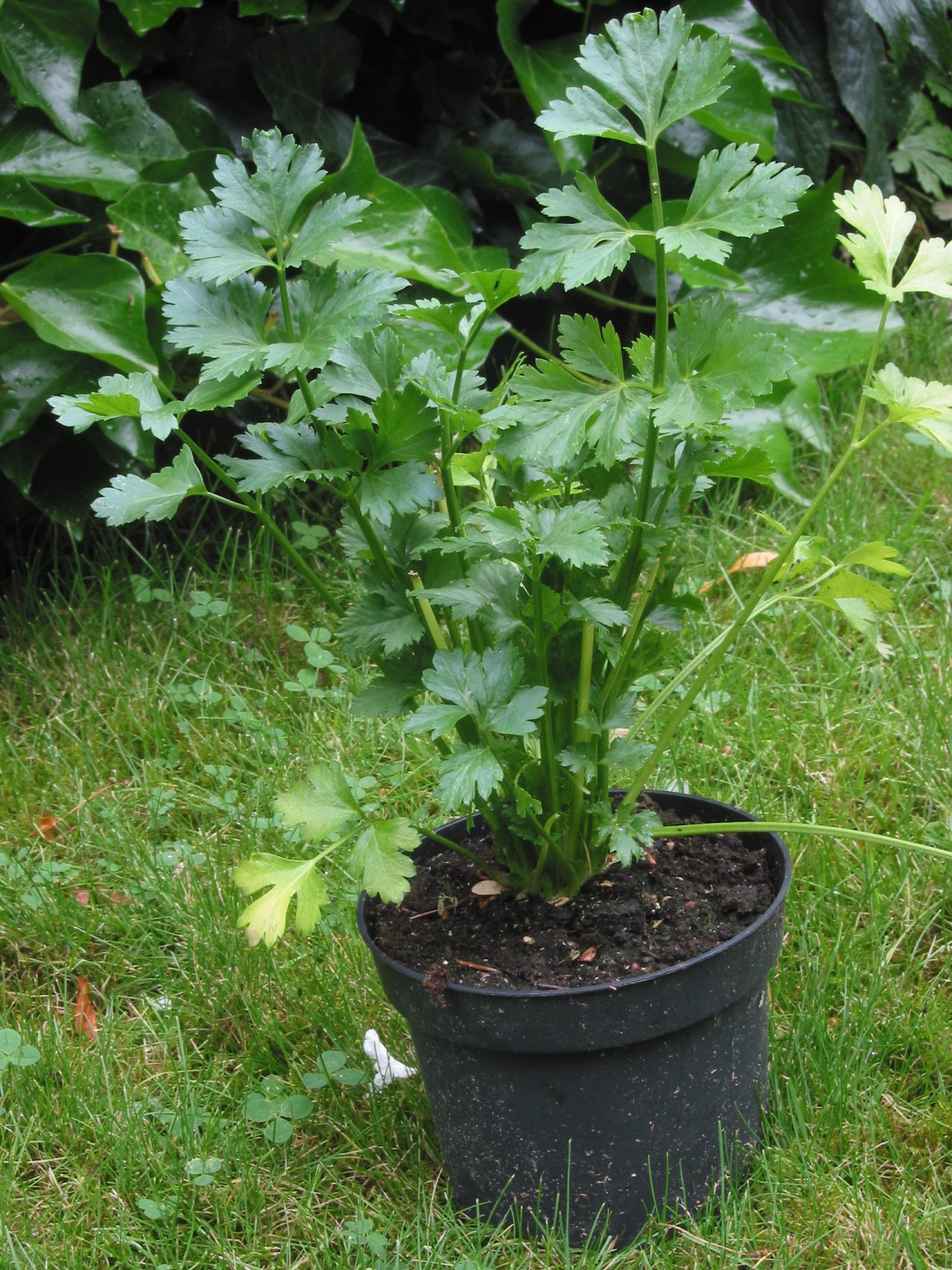




Characteristics and parts
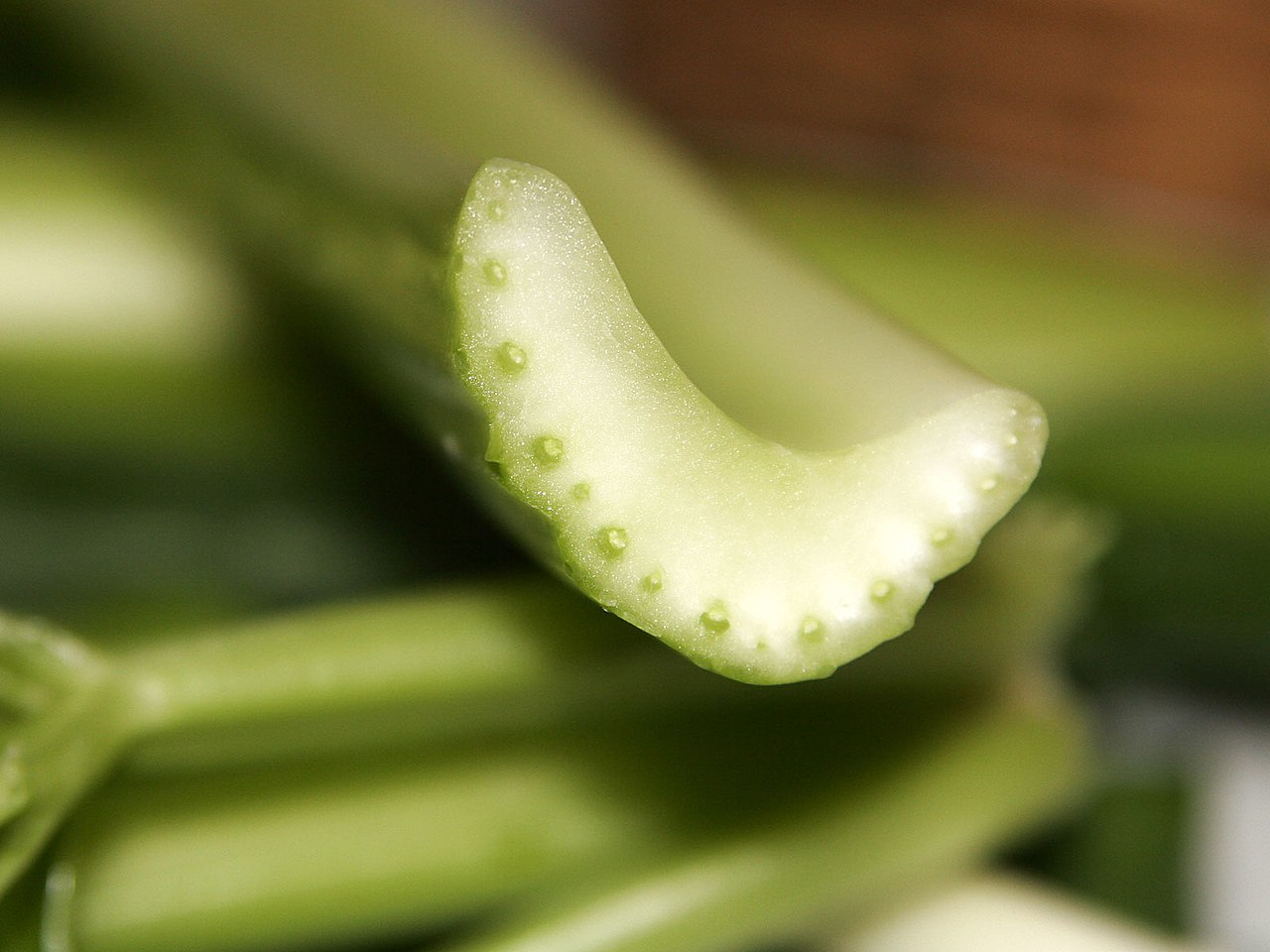
Plants commonly called "celery" share several recognizable features: long, fibrous stalks joined to a central root, pinnate leaves, small yellow-green flowers, and small seeds used as a spice. Celeriac is the same species or a close relative selected for a large, knobbly root rather than for tall stalks.
- Stalks: crunchy, watery, and mildly bitter; often blanched to reduce bitterness.
- Leaves: aromatic and used as an herb or garnish.
- Seeds: dried and used as a spice or to make celery salt.
- Root (celeriac): dense, earthy-flavored and used like a root vegetable.
History and development
Wild celery grew in marshy areas around the Mediterranean and was known in antiquity for both culinary and medicinal uses. Over centuries farmers selected plants for milder, thicker petioles and for enlarged roots, producing the range of types seen today. It became a staple aromatic in European cooking and later spread worldwide with global cuisine exchange.
Uses, nutrition and examples
Celery is valued for its crisp texture, hydration and relatively low calorie content. It contributes fiber, vitamin K and small amounts of vitamin C and potassium, along with phytochemicals that offer antioxidant effects. Common uses include raw sticks with dips, chopped bases for stocks and sauces, braised or roasted dishes, and juicing. For ideas and preparations, consult recipes and ideas.
Varieties, cultivation and notable facts
Gardeners grow several types: stalk celery (for crisp petioles), leaf celery (used more for its leaves and seasoning), Chinese celery (thinner stalks, stronger flavor) and celeriac (root celery). Celery prefers cool weather, fertile soil and consistent moisture. Notable considerations include potential allergenicity in sensitive people and the tendency of celery to retain pesticides unless washed thoroughly. Simple storage tips—wrap stems to preserve moisture—help maintain crispness after harvest.
Related articles
Author
AlegsaOnline.com Celery: characteristics, uses, history, and varieties Leandro Alegsa
URL: https://en.alegsaonline.com/art/17862
Sources
- theguardian.com : "Why are you throwing away your celery leaves?"