
Aquatic plant: types, adaptations, roles and uses
A concise overview of aquatic plants: what they are, common types and adaptations, ecological roles, uses in gardens and aquaria, and important distinctions with examples like water lilies and eelgrass.
An aquatic plant is a plant that is specially adapted to live in water or in soils that are permanently saturated. Aquatic plants occur in a wide range of wet environments: fresh water such as rivers and lakes, saline environments like the sea, and mixed conditions such as brackish water in an estuary. The term covers species that are entirely submerged, those that float on the surface, and plants that root in wet sediment but extend shoots into the air.
Image gallery
10 Images






Major types
A simple way to group aquatic plants is by how they occupy the water column. Typical categories are:
- Submerged plants — live entirely below the surface and absorb gases and nutrients directly through stems and leaves.
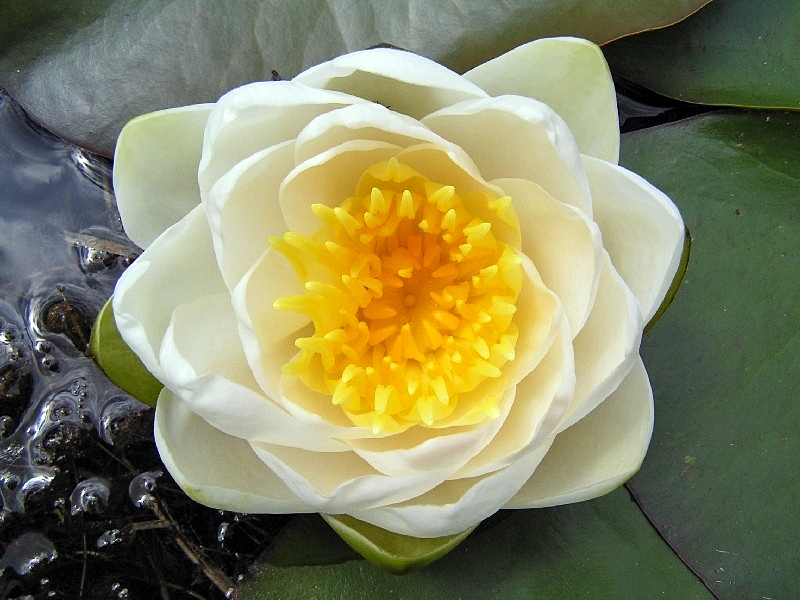
- Floating-leaved plants — rooted in sediment but with leaves that float on the surface, such as water lilies.
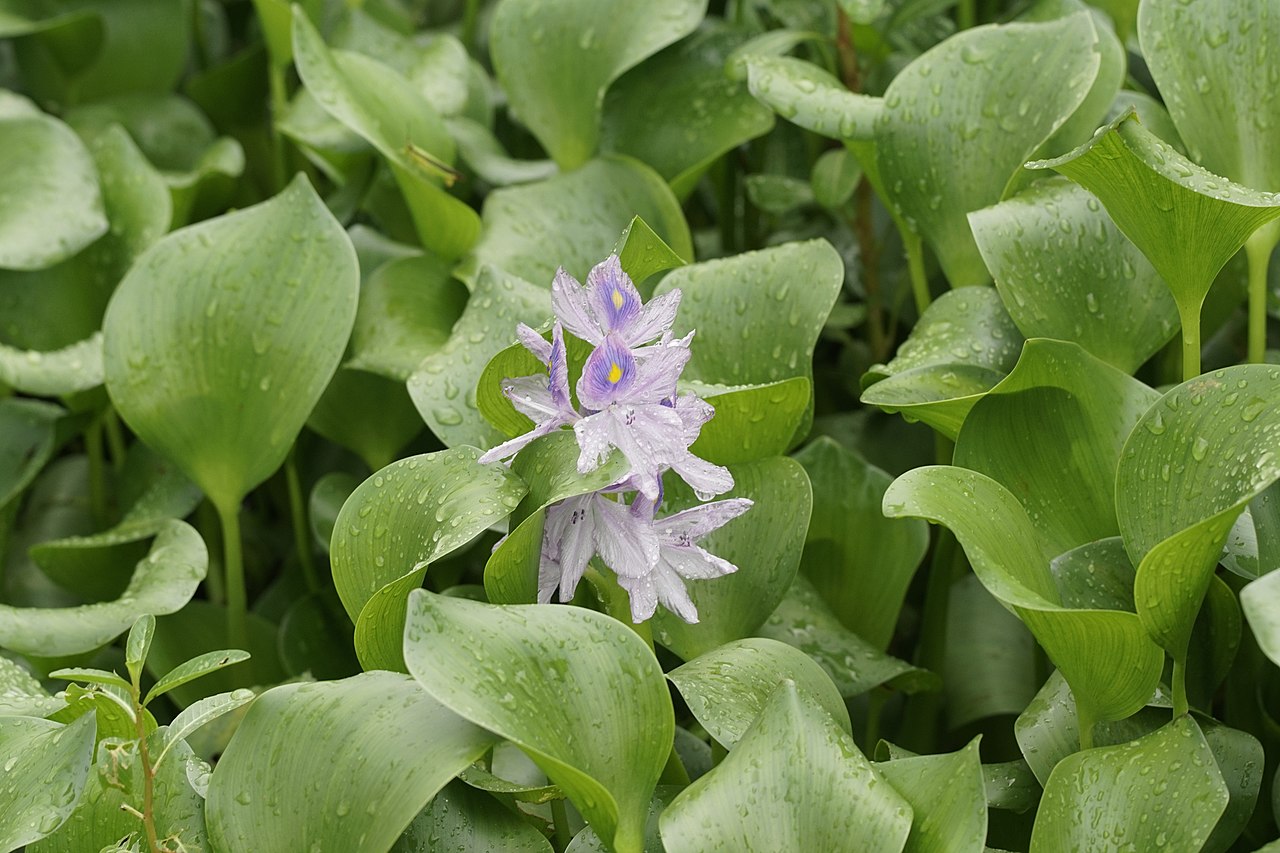
- Free-floating plants — not anchored and drift on the surface (for example, duckweeds).
- Emergent plants — rooted in shallow water with stems and leaves rising above the surface (reeds, cattails).
Adaptations
Aquatic plants show distinctive anatomical and physiological traits. Many have thin, flexible stems and reduced structural tissues because buoyancy helps support the plant. Leaves that float are often broad and thin to maximize light capture. Internal air spaces (aerenchyma) permit movement of air and other gases from shoots to roots, aiding respiration in oxygen-poor sediments. Stomata are often located on the upper leaf surface in floating leaves, and some submerged species lack functional stomata entirely. Root systems may be reduced or absent in free-floating plants.
Habitats and ecological roles
Aquatic plants occupy diverse habitats from permanent lakes to seasonal wetlands. They provide food and shelter for fish, invertebrates and waterfowl, stabilize sediments and slow water flow, and influence nutrient cycles by taking up nitrogen and phosphorus. Dense growths can increase oxygen production during the day and may form important nursery areas for juvenile aquatic animals.
Uses, management and examples
People cultivate aquatic plants for ornament (ponds, garden features), for aquaria and aquascapes, and for constructed wetlands used in wastewater treatment. Some species are valued for erosion control or as forage, while others become invasive when introduced outside their native range. Familiar examples include water lily, eelgrass and seagrasses in marine systems, duckweeds, and reed beds. Advice on planting and control is available from local conservation agencies and aquatic plant guides (cultivation, care).
Distinctions and notable facts
In botanical terms, aquatic plants are often called hydrophytes when they live fully or partly submerged in fresh water. Related categories include helophytes (marsh plants rooted in waterlogged soil) and amphibious species that can tolerate both wet and drier conditions. Many aquatic species evolved from terrestrial ancestors and show convergent features—air-filled tissues, reduced cuticles, and specialized reproductive strategies—to succeed in watery environments. For practical information, consult regional resources and species profiles (lake plants, marine seagrasses, brackish specialists, estuarine flora).
Further reading often includes identification keys, habitat assessments and management guidelines; authoritative plant databases and local extension services provide region-specific lists and advice (leaf forms, gas transport, respiration, riverine, surface, adaptation).
Tags
Related articles
Author
AlegsaOnline.com Aquatic plant: types, adaptations, roles and uses Leandro Alegsa
URL: https://en.alegsaonline.com/art/5094